
Choosing Between an Outdoor Fire Pit and a Pergola or Gazebo: A Practical Guide
I’ve spent years turning backyard spaces into functional, inviting retreats. When I start the planning process, two core elements dominate my mind: outdoor fire pits and pergola or gazebo design. Both can anchor a yard, but they serve different purposes within outdoor space planning, garden decor installation, and overall landscape design. This article compares the two options so you can decide which fits your needs, budget, and lifestyle.
What Each Feature Brings to a Yard
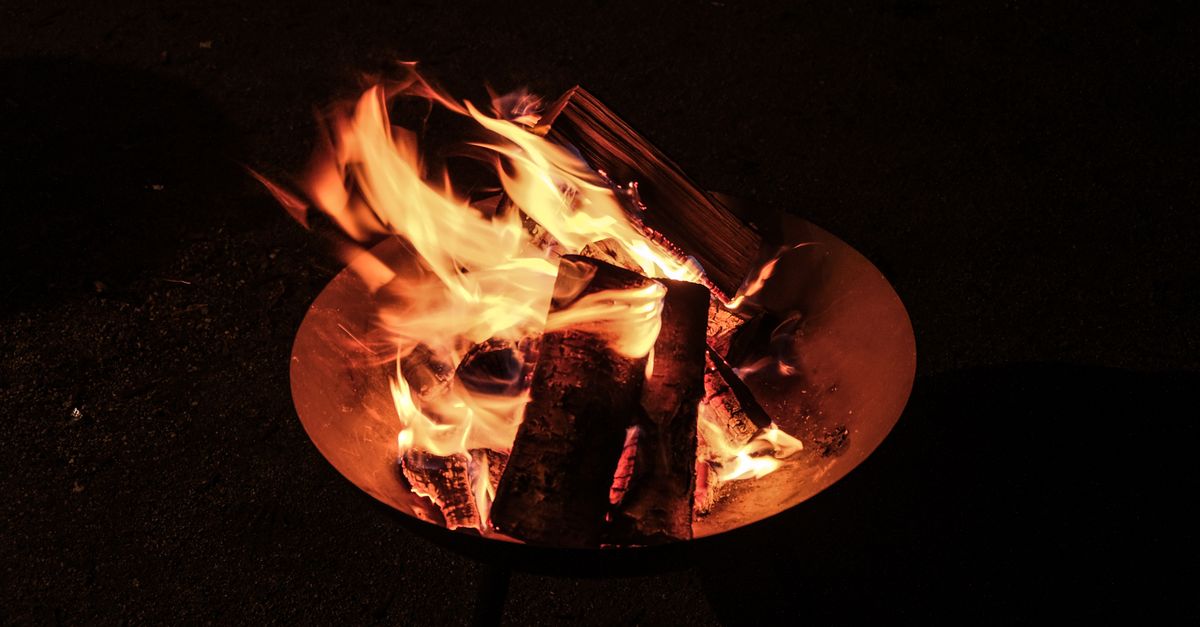
Outdoor fire pits are primarily heat sources. They create atmosphere, provide warmth in cooler evenings, and often become gathering spots for conversation or storytelling. Fire pits also add visual drama with the glow and movement of flames.
Beyond Heat: The Social Magnet
A well‑placed fire pit can transform a quiet lawn into a lively hub where friends exchange stories, children chase sparklers, and even pets feel safe under its comforting warmth. The crackling sound alone is enough to draw people in and keep them there.
Pergolas and gazebos function as shade structures. A pergola is a freestanding lattice that offers partial cover while letting light filter through, whereas a gazebo typically has a solid roof for full protection from sun or rain. These structures define spaces, support climbing plants, and can be focal points in the landscape.
Shade as Design Language
Pergolas often become the architectural centerpiece of a patio, creating a sense of enclosure that encourages relaxation. Gazebos, with their roofed “room” feel, provide a private retreat where you can dine under a canopy or simply unwind away from the rest of the yard.
The decision often boils down to whether you prioritize heat & ambiance versus shade & defined space. Both can coexist, but understanding their core roles helps in planning.
Key Decision Factors for Fire Pits vs Pergolas/Gazebos
Consider Your Climate and Seasons
If your region has long, hot summers with occasional rain, a pergola or gazebo provides much‑needed shade. In cooler months, an outdoor fire pit becomes valuable for warmth.
Seasonal Layering: Combining Heat and Shade
Homeowners in transitional climates often install a pergola with retractable awnings and pair it with a gas fire pit that can be activated when temperatures dip. This layering approach ensures comfort year‑round without sacrificing style.
Purpose of the Space
- Social Hub: Fire pits encourage intimate gatherings; gazebos create defined seating areas.
- Entertainment & Activities: Pergolas can support string lights and music setups, while fire pits are great for campfire‑style games.
- Outdoor Dining: A gazebo offers a covered patio feel; a fire pit adds rustic charm to outdoor meals.
Activity‑Based Planning
If you host frequent barbecues, the fire pit’s grill capability becomes a major selling point. For those who love evening movie nights under a canopy, a gazebo with built‑in speakers might be preferable.
Budget Constraints
Fire pits range from $300 for simple wood‑burning models to $5,000+ for advanced gas or electric systems. Pergolas and gazebos typically start around $2,000 for basic kits but can exceed $10,000 with custom lumber and roofing.
Cost‑Effective Alternatives
DIY fire pits using reclaimed bricks or concrete molds can keep costs under $500 while still delivering a cozy ambiance. For pergolas, modular steel frames are often cheaper than custom wood framing, especially when paired with fabric shade sails.
Maintenance Requirements
Fire pits need regular cleaning of ash and chimney upkeep; pergolas require periodic paint or sealant applications to protect wood. Gazebo roofs may need resealing after heavy use.
Long‑Term Care Plans
When choosing a structure, consider how often you’re willing to invest time in upkeep. A low‑maintenance metal gazebo with synthetic shingles will demand far less attention than a cedar pergola that needs yearly varnish.
Permitting and Zoning Rules
Many municipalities have specific codes for open flames, especially on residential properties. Pergola structures often need a building permit if they exceed certain dimensions or are attached to the house.
The right choice depends largely on whether you value heat and drama (fire pit) or shade and defined space (pergola/gazebo).Comparing Costs, Features, and Longevity
Cost Breakdown
- Fire Pit: $300–$5,000+ (material + installation)
- Pergola: $2,000–$10,000+ (materials, framing, optional roofing)
- Gazebo: $3,500–$12,000+ (solid roof, custom design)
Hidden Expenses to Watch For
In addition to base prices, remember that fire pit installation may require a fire‑resistant pad, gas lines, or ventilation. Pergolas and gazebos often need foundation work—footings, concrete pads, or reinforced decking—that can add several hundred dollars each.
Longevity
- Fire pits can last 20+ years if maintained; the main wear comes from the grill and heat‑resistant surfaces.
- Pergolas typically endure 10–15 years before needing repaint or re‑sealant. Structural issues may arise if not properly engineered.
- Gazebos, especially those with metal roofing, can last 25+ years but require occasional roof maintenance.
Material Choices and Their Lifespans
Cedar pergolas, while beautiful, may need more frequent sealing to resist rot compared to pressure‑treated pine. Metal gazebos, on the other hand, rarely warp but can suffer from paint chipping if not properly primed.
Safety
- A fire pit’s primary concern is flame spread and heat; proper placement away from structures and using a fire‑resistant pad mitigates risks.
- Pergolas and gazebos must support their own weight and any additional loads (e.g., climbing vines, awnings). Miscalculations can lead to structural failure.
Code Compliance Checklist
Before you dig a pit or start framing, check local building codes for setback requirements, maximum fire pit size, and permitted materials for pergola posts. This small step saves headaches during inspections.
Versatility
- A fire pit doubles as a cooking station for grilling or roasting marshmallows.
- Pergolas often host string lights, curtains, or hanging planters, adding aesthetic layers.
- Gazebos create an enclosed “room” feel, ideal for hosting dinner parties or serving as a quiet retreat.
Multi‑Use Potential
Many homeowners install a pergola that can transform into a gazebo by adding a removable roof panel. This hybrid design offers the best of both worlds while keeping costs lower than building two separate structures.
Practical Steps for Outdoor Space Planning
If you’re ready to design your backyard, follow these steps. They apply whether you choose a fire pit, pergola, gazebo, or a combination of all three.
- Define Your Zones: Identify areas for dining, lounging, play, and storage.
- Measure & Sketch: Create a scaled drawing of the yard, noting existing trees, slopes, and utilities.
- Set a Budget: Allocate funds for structure, landscaping, lighting, and contingency.
- Select Materials: Choose wood types (cedar, redwood), composites, or metal that match your climate and maintenance tolerance.
- Plan Lighting: Combine LED strips under pergola beams with lanterns around a fire pit for nighttime ambiance.
- Choose Planting Scheme: Use climbers on pergolas (wisteria, vines) or shade trees near gazebos. Incorporate ground cover and seasonal flowers.
- Obtain Permits: Check local regulations on open flames and structural additions.
Design Flowchart
1️⃣ Sketch the yard → 2️⃣ Decide primary focal point (fire pit or pergola) → 3️⃣ Add complementary features (lighting, seating) → 4️⃣ Finalize planting plan → 5️⃣ Submit permits if required. This linear approach keeps the project manageable and reduces surprises.
These steps also support garden decor installation, ensuring every element—lighting, furniture, plants—fits cohesively into the landscape design vision.
Installation: Fire Pits vs Pergola/Gazebo
Fire Pit Installation
- Choose a flat, fire‑resistant surface (concrete pad or gravel).
- Ensure adequate clearance from structures—at least 5 feet.
- If using gas, hire a licensed plumber; for wood, ensure proper ventilation.
- Add a vent hood if required by local codes.
DIY Fire Pit Tips
When building a homemade pit, use fire‑retardant gravel to create a stable base and line the interior with heat‑resistant bricks or stone. This not only looks polished but also prevents uneven settling that could damage surrounding landscaping.
Pergola Installation
- Lay a concrete base or use deck posts for support.
- Frame the lattice with treated lumber and secure joints with stainless steel hardware.
- Attach optional roofing panels or install a trellis to accommodate climbing plants.
- Consider integrated lighting fixtures into the beams.
Modular Pergola Kits
Many suppliers offer pre‑cut, color‑coated kits that include all hardware. This reduces on‑site cutting time and ensures a precise fit, especially useful for homeowners who prefer a quick installation without compromising structural integrity.
Gazebo Installation
- Use a reinforced foundation; concrete footings are common for heavier roofs.
- Construct a sturdy frame with pressure‑treated lumber or metal framing.
- Install a durable roof (asphalt shingles, metal panels) and waterproof flashing.
- Add ventilation vents to prevent moisture buildup inside the structure.
Quick Gazebo Assembly
For those who want a faster build, many gazebos come with interlocking corner posts that lock into place. This system eliminates the need for complex framing and allows you to set up an enclosed space in just a few hours.
In my experience, installing a pergola for my own patio was surprisingly straightforward once I had a clear plan. The key was choosing pre‑fabricated framing instead of cutting every beam myself; it saved me hours and reduced errors.Maintenance & Longevity: What to Expect
Fire Pit Care
- Clean ash and debris after each use.
- Inspect the fire ring for cracks or wear every few months.
- Check gas connections annually if using a gas pit.
Seasonal Fire Pit Cleaning Routine
During spring, sweep away summer ash; in fall, remove leaves and debris to prevent mold. A simple brush and vacuum can keep the area safe for guests and prolong the life of the fire pit’s metal components.
Pergola & Gazebo Upkeep
- Reapply sealant or paint every 3–5 years to protect wood.
- Trim climbing vines to prevent structural strain.
- Inspect roofing for leaks after heavy rain; replace damaged shingles promptly.
Winter Protection Tips
In colder regions, wrap pergola posts with insulating foam and use weather‑proof sealants on the beams. For gazebos, consider a removable awning to shield the roof from snow accumulation, which can otherwise lead to leaks once it melts.
By following these routines, both fire pits and pergola/gazebo structures can serve you for decades, enhancing your outdoor living space.
Regular maintenance is the secret to keeping either structure functional and beautiful—don’t skip it for the sake of convenience.Conclusion
Your choice between an outdoor fire pit and a pergola or gazebo hinges on what you value most: warmth, ambiance, and informal gatherings versus shade, defined spaces, and protection from the elements. Consider your climate, budget, and desired use when evaluating each option. Often, homeowners combine both—a cozy fire pit under a pergola’s airy canopy—to enjoy the best of both worlds.
When you plan thoughtfully, you can create an outdoor oasis that adapts to every season and activity. Whether you opt for one structure or blend several, the key is to keep your vision clear, stay within local regulations, and maintain diligently so that your backyard remains a place of comfort and joy for years to come.
What primary factor—heat & ambiance or shade & structure—guides your decision for backyard design?


