
Exterior property enhancements in Long Beach, CA
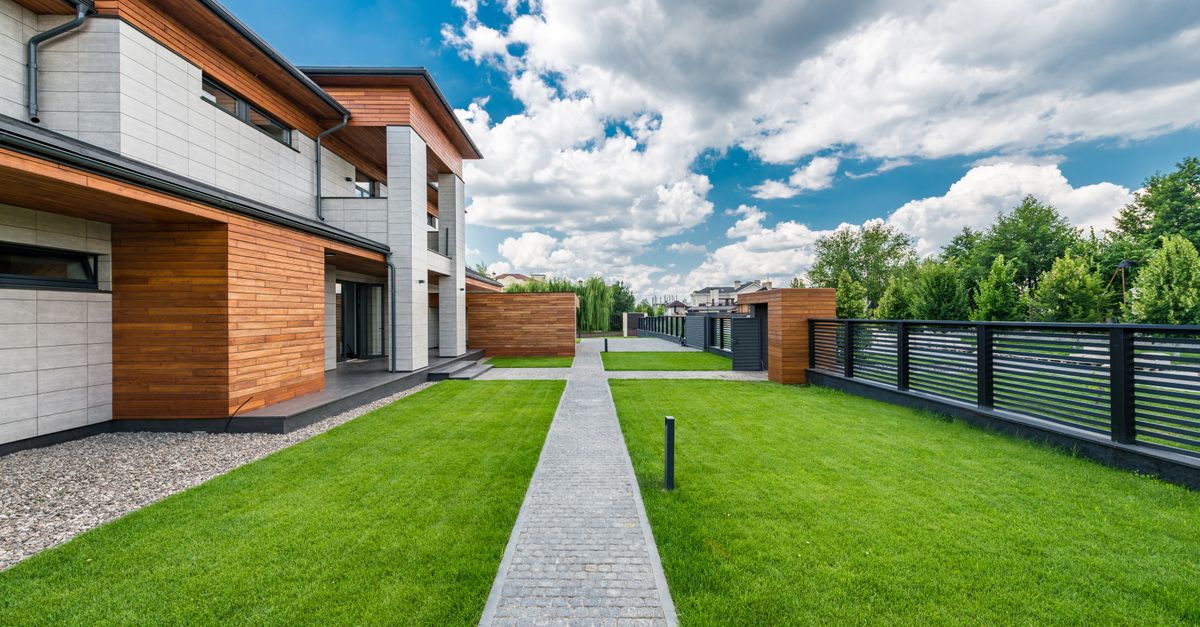
I’ve spent the last decade turning ideas into tangible outdoor spaces, and I’ve seen how a well‑planned exterior enhancement can change the value and feel of any property. In Long Beach, CA the coastal climate, local regulations, and community aesthetics create unique opportunities—and challenges—for homeowners looking to upgrade their yards. Beyond boosting curb appeal, thoughtful landscaping can extend your living area, improve energy efficiency, and provide a tranquil retreat from the bustle of city life.
Long Beach’s Mediterranean-like weather means mild winters, hot dry summers, and frequent sea breezes that carry salt spray. These elements influence material selection, plant choice, and maintenance routines. Understanding how the sun tracks across the sky, where wind funnels through streets, and when the ocean’s moisture peaks will help you design a yard that thrives year‑after‑year.
What Is an Exterior Property Enhancement?
An exterior property enhancement refers to any intentional improvement made to a building’s perimeter or surrounding landscape that adds functionality, beauty, or value. In Long Beach, this often includes landscape construction, tree and plant installation, hardscaping (pavers, patios, retaining walls), and restoration work. The goal is to create a cohesive outdoor experience that complements the structure while respecting local zoning laws.
Typical projects range from a simple patio upgrade to a full backyard transformation featuring pergolas, fire pits, and water features. Each addition must withstand salt‑laden air, high humidity, and occasional storms without compromising aesthetics or structural integrity. For example, installing a low-maintenance drought-tolerant garden alongside a solar-powered lighting system can provide both visual interest and reduced utility costs.
Key Elements of Successful Enhancements
Essential Components to Consider
The most effective exterior upgrades incorporate these core elements:
- Site Analysis – Soil type, drainage, sun exposure, and existing vegetation inform design decisions. For example, sandy soils common in the area require deep-rooted native plants that can tolerate low moisture.
- Design Cohesion – Architectural style should harmonize with landscaping choices to avoid visual discord. A mid‑century modern home paired with a minimalist concrete patio feels balanced when complemented by low-maintenance succulents.
- Sustainable Materials – Use recycled or locally sourced stone, permeable pavers, and drought‑tolerant plants. Reclaimed cedar decking not only reduces waste but also offers natural resistance to salt.
- Functional Zones – Define areas for entertaining, gardening, play, and privacy. A sunken seating area can serve as a quiet retreat while a raised garden bed provides space for herbs near the kitchen.
- Lighting Strategy – LED fixtures provide safety and highlight focal points without excessive heat. Soft uplighting on a pergola creates an inviting evening atmosphere.
- Accessibility – Ramps, wide pathways, and clear signage ensure inclusivity. A 4‑inch rise with a 12‑inch run complies with local accessibility guidelines.
- Regulatory Compliance – Long Beach’s Coastal Commission and local ordinances set limits on setbacks and tree removal. Always verify the latest permit requirements before beginning work.
- Maintenance Plan – Outline routine care to preserve investment over time. Scheduling seasonal inspections prevents small problems from becoming costly repairs.
By evaluating each of these aspects early, you reduce costly revisions later in the project timeline.
Assessing Your Property’s Needs Before Planning
The first step is a thorough assessment. Walk through your yard with a checklist: Are there drainage issues? Do pathways feel safe at night? What plants thrive locally versus those that struggle?
In my experience, homeowners often overlook subtle slope changes that can lead to standing water after rain. This simple observation saved me from a costly regrading job in a recent project.Document your findings with photos and notes. Share them with potential landscapers; the clearer you are about pain points, the more accurate their proposals will be. You might also record weather patterns by noting wind direction during different times of day or measuring sun exposure using a digital inclinometer—small tools that yield big insights.
Selecting the Right Landscaping Services in Long Beach, CA
Choosing a contractor is as critical as choosing materials. Look for firms with:
- Local licensing and insurance coverage.
- A portfolio that reflects experience with coastal environments.
- Transparent pricing and written contracts.
- Positive reviews from Long Beach clients, not just generic testimonials.
- Commitment to sustainable practices—this aligns with the city’s green initiatives.
Ask for a detailed proposal that breaks down labor, materials, timeline, and contingency plans. A reputable professional will also provide a post‑installation support schedule. During meetings, verify that they can coordinate permits with the Coastal Commission; this often saves weeks of back‑and‑forth communication.
Benefits of Professional Landscaping for Long Beach Properties
Professional design and execution yield several tangible advantages:
- Increased Property Value – Studies show that well‑executed outdoor improvements can boost resale value by 10–15%.
- Time Savings – Experts handle permits, sourcing, and labor coordination efficiently.
- Durability – Properly installed hardscaping and plantings reduce the likelihood of costly repairs.
- Aesthetic Appeal – Designers bring a creative vision that aligns with your lifestyle and the neighborhood character.
- Energy Efficiency – Strategic planting can shade windows, lowering HVAC loads during scorching summers.
- Environmental Impact – Green roofs, rain gardens, and native plantings help manage stormwater while supporting local wildlife.
Cost Considerations and Budgeting for Exterior Enhancements
Budgeting starts with a clear scope. Typical cost ranges in Long Beach are:
- Hardscaping (patios, walkways) – $15–25 per square foot.
- Plant installation – $50–100 per plant plus soil amendments.
- Tree removal/relocation – $1,500–3,000 depending on size and proximity to utilities.
- Lighting and irrigation systems – $2,000–5,000 for a full setup.
- Sustainable features (rain barrels, permeable pavers) – $800–1,500 per installation.
Set aside 10–15% of the projected cost for contingencies such as unexpected soil conditions or material price fluctuations. Long Beach’s permit fees can add 1–3% to the overall budget. If you’re working within a tight financial window, consider phased implementation—start with high-impact elements like a patio, then add complementary features over time.
Common Pitfalls Homeowners Face
Even well‑intentioned projects can derail if certain mistakes are made:
- Ignoring Drainage – Poor water management leads to erosion and foundation issues. Installing French drains or a swale can redirect runoff efficiently.
- Choosing Inappropriate Plants – Selecting non‑native species that require excessive watering increases maintenance costs. Opt for Mediterranean natives like California sagebrush or coastal rosemary.
- Lack of a Maintenance Plan – Overlooking routine care can cause early degradation of hardscapes and plants. A yearly inspection checklist keeps your yard healthy.
- Overdesigning – Complex layouts may exceed budget or violate local ordinances regarding setbacks. Keep designs simple, focusing on key focal points.
- Underestimating Soil Conditions – Testing pH and nutrient levels before planting ensures that selected species thrive without excessive fertilization.
A clear, realistic design coupled with diligent research prevents most of these headaches.
Maintenance and Long‑Term Care Plan
Once the project is complete, a structured maintenance schedule ensures longevity:
- Winter prep – Protect plants from salt spray by mulching and applying protective coatings. Use gravel or decorative stones to shield exposed roots.
- Spring pruning – Trim overgrowth to maintain shape and health of trees and shrubs. Remove dead limbs promptly to prevent pest infestation.
- Summer irrigation checks – Adjust schedules during heat waves; consider smart controllers for efficiency. Install drip lines behind mulch beds to conserve water.
- Hardscape inspections – Inspect pavers for cracks or shifting, especially after heavy rains. Reseal porous stones annually to maintain appearance.
- Annual review – Meet with your landscaper to discuss potential upgrades or changes in usage. This proactive approach keeps the yard aligned with evolving family needs.
- Documentation – Keep a garden journal noting dates of planting, fertilizing, and any repairs; this record helps future caretakers understand past interventions.
Seasonal Climate Challenges & Adaptations
Long Beach’s coastal weather presents unique seasonal demands. Here are practical strategies for each season:
- Fall (Sept–Nov) – This is an ideal time to plant new trees and shrubs before the dry summer. Apply a mulch layer that retains moisture while keeping roots cool.
- Winter (Dec–Feb) – Although temperatures rarely dip below freezing, salt spray can damage sensitive foliage. Use windbreaks such as hardy evergreens to shield vulnerable plants.
- Spring (Mar–May) – The warm days and cooler nights create perfect conditions for seed germination. Install a drip irrigation system now to establish roots before the heat.
- Summer (Jun–Aug) – High temperatures increase evaporation rates. Schedule watering during early mornings or late evenings to reduce water loss and avoid midday heat stress.
Adapting your care routine to these seasonal patterns ensures that every plant, patio, and pathway remains vibrant throughout the year. For example, installing a shade cloth over a pergola can protect delicate herbs while still letting light in during the hottest months.
What is the most critical factor you consider when planning an exterior property enhancement?


