
How Can I Choose the Right Exterior Property Enhancements for My Home?
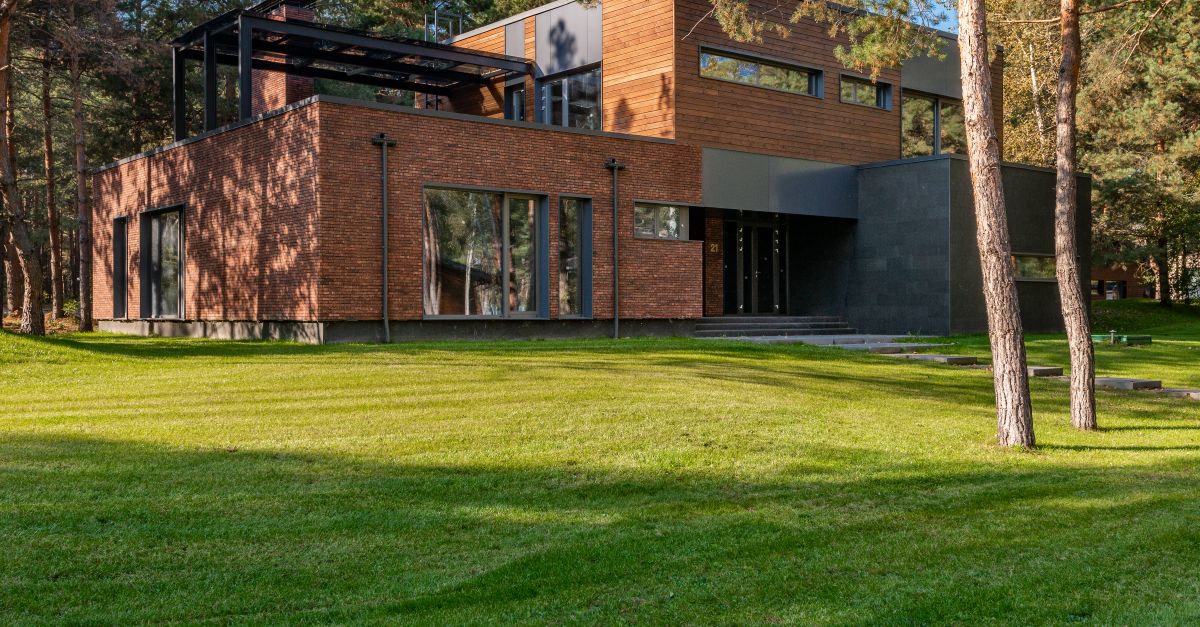
The first time I looked at a house with a dull yard, I realized how much a well‑planned exterior can change perception and value. In this review, I’ll walk you through the key factors that make or break exterior property enhancements, from custom landscaping solutions to creative outdoor designs and flower bed planting.
1. Why Exterior Property Enhancements Matter
The curb appeal of a home is often the first impression buyers, neighbors, and even future tenants have. A thoughtfully designed yard can boost market value, reduce energy costs with strategic shading, and create a space that feels like an extension of your interior.
Key benefits of exterior property enhancements
- Increases home resale value by 5–15%
- Improves natural light and ventilation
- Reduces HVAC load through shade trees
- Provides a safe, aesthetic play area for children
- Creates privacy without compromising openness
- Enhances outdoor living opportunities (grills, patios)
- Supports local biodiversity with native plantings
When you invest in exterior property enhancements, you’re investing in both aesthetics and functionality. The right design can serve as a long‑term asset rather than an expense.
2. Evaluating Custom Landscaping Solutions
Custom landscaping solutions tailor the yard to your lifestyle and climate. They often involve a mix of hardscaping (paths, walls) and softscaping (plants, lawns). The challenge is balancing cost with performance while staying true to your vision.
What to look for in a custom landscaping solution
- Site analysis: slope, drainage, sun exposure
- Material durability: low‑maintenance stones, composite decking
- Plant selection: native vs. ornamental species
- Water‑efficiency measures: drip irrigation, mulching
- Accessibility: ADA compliance if needed
- Design cohesion with existing architecture
- Vendor reputation and portfolio reviews
- Post‑installation maintenance plan
- Scalability for future additions (e.g., pool)
- Estimated ROI based on resale projections
A well‑planned custom landscaping solution turns a simple yard into a functional, low‑maintenance oasis that pays back over time.
3. Planning Landscape Enhancement Projects
The success of any landscape enhancement project hinges on clear planning. I’ve seen projects stall when goals aren’t defined or budgets are misestimated.
Steps to plan a landscape enhancement project
- Define objectives: privacy, entertainment, sustainability
- Create a realistic budget with contingency (10–15%)
- Draft a rough layout sketch or use CAD tools
- Research local building codes and HOA restrictions
- Select plant species based on climate zone
- Schedule seasonal work to avoid peak weather stress
- Choose contractors with proven experience in your style
- Obtain multiple quotes and compare services
- Set milestones for progress reviews
- Plan a post‑completion maintenance schedule
This structured approach reduces surprises and keeps the project on track.
4. Selecting Creative Outdoor Designs
Creative outdoor designs are what make a yard memorable. Whether you’re leaning toward modern minimalism or lush, tropical vibes, the design should reflect your personality while enhancing functionality.
Design styles and their practical implications
- Modern: clean lines, water features, low maintenance
- Rustic: reclaimed wood, stone paths, natural lighting
- Garden: layered planting beds, herb gardens, vertical walls
- Water‑centric: ponds, fountains, aquatic plants
- Entertainment: pergolas, outdoor kitchens, fire pits
- Children’s play: safe surfaces, interactive art installations
- Sustainable: xeriscaping, rain gardens, permeable paving
- Nighttime lighting: solar LED strips, path lights
- Seasonal interest: evergreens, fall color trees
- Smart tech integration: automated irrigation, smart sensors
Choose a style that aligns with your long‑term goals and local climate.
5. Flower Bed Planting Best Practices
Flower bed planting is often the centerpiece of an exterior property enhancement. Success relies on soil preparation, plant selection, and ongoing care.
Essential steps for a thriving flower bed
- Test soil pH and amend with compost or lime as needed
- Select plants that complement each other in height, color, and bloom time
- Create depth by layering perennials, shrubs, and ground cover
- Use mulch to retain moisture and suppress weeds
- Install drip irrigation for precise watering
- Consider pollinator‑friendly species to attract bees
- Prune dead or overcrowded stems regularly
- Rotate plants annually to prevent soil depletion
- Monitor for pests with organic controls first
- Plan seasonal updates to keep the bed fresh
By following these steps, you’ll have a vibrant flower bed that requires minimal effort over time.
6. Common Mistakes and How to Avoid Them
Even seasoned homeowners make errors that can cost money or reduce enjoyment. Here are the most frequent pitfalls and their fixes.
Top mistakes in exterior enhancements
- Ignoring drainage issues leading to water damage
- Choosing plants that don’t fit local climate
- Over‑designing with too many hardscape elements
- Neglecting a maintenance plan after installation
- Failing to budget for seasonal updates or repairs
- Not consulting local zoning regulations before starting
- Using generic designs that clash with home architecture
- Underestimating the cost of irrigation systems
- Choosing low‑quality materials that wear quickly
- Ignoring future scalability (e.g., adding a pool later)
Address these issues early to keep your project on budget and on schedule.
7. Cost Considerations for Exterior Enhancements
Cost is often the main barrier for homeowners. Understanding where money goes helps you prioritize features that matter most.
Typical cost breakdown (per square foot)
- Hardscaping: $10–$25
- Planting beds: $5–$15 per square foot
- Water features: $8–$20
- Outdoor lighting: $3–$7
- Irrigation system: $4–$9
- Labor (average): 30–50% of total cost
- Permits and inspections: $200–$800
- Maintenance kit: $150–$300 annually
- Seasonal updates: $500–$2,000 per year
- Smart tech integration: $1,000–$5,000
Adjusting your design to fit within these ranges can prevent overruns.
8. Choosing a Contractor for Landscape Enhancement Projects
Even the best plan fails without skilled execution. Vetting contractors is crucial.
What to ask potential landscapers
- Portfolio of similar projects in our climate zone
- Proof of licensing and insurance coverage
- Detailed written estimate with itemized costs
- Timeline for completion and milestones
- Post‑installation warranty and maintenance services
- Client references from recent work
- Approach to sustainable materials and practices
- Flexibility to accommodate design changes mid‑project
- Clear communication protocols (updates, approvals)
- Availability for emergencies or unexpected issues
A contractor who answers these questions transparently is more likely to deliver a project that meets your expectations.
9. Maintenance Tips for Long‑Term Success
The beauty of exterior property enhancements fades if maintenance is ignored. A simple routine keeps the yard looking its best and protects your investment.
Weekly, monthly, and seasonal tasks
- Weekly: Clear debris from paths, trim overgrown shrubs
- Monthly: Inspect irrigation for leaks, clean outdoor fixtures
- Seasonal (spring/summer/fall/winter): Prune trees, mulch beds, adjust planting schedules, protect vulnerable plants
- Annual: Review design for upgrades, test soil health, replace worn hardscape elements
Setting up a calendar with these tasks ensures you stay ahead of maintenance needs.
What is one exterior property enhancement change that would most improve your home’s curb appeal?


