
How Can I Choose the Right Landscape Design and Lawn Care Services for My Yard?
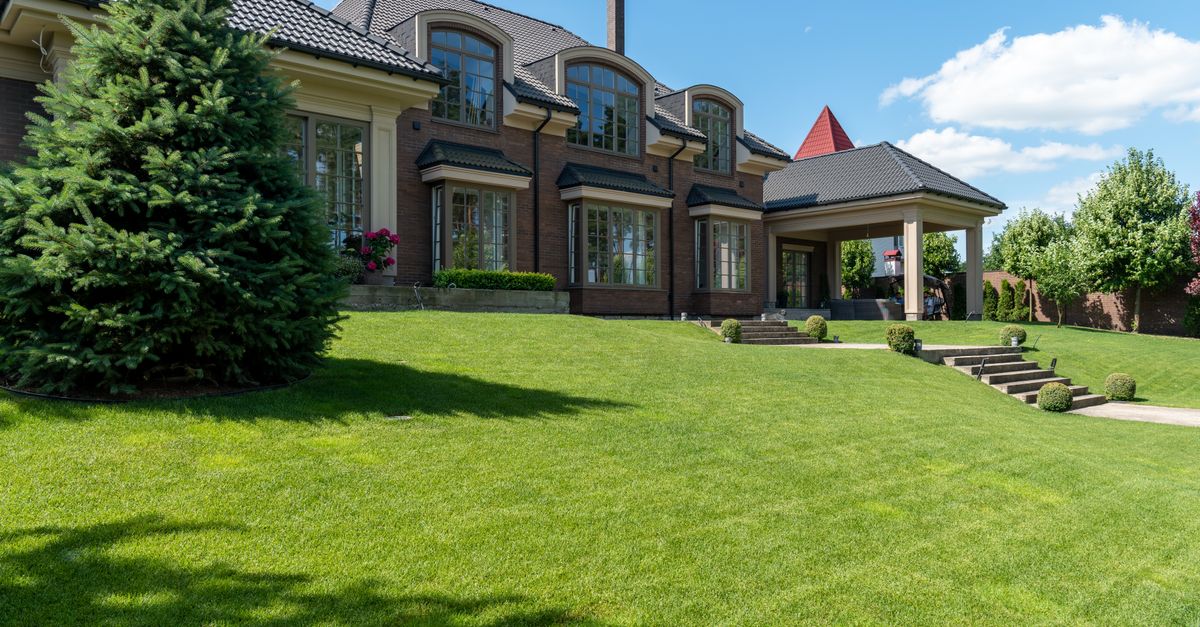
I’ve spent years turning simple backyards into functional, beautiful spaces that feel like a seamless extension of the home. When I look at a yard that feels like an extension of the house, I ask myself: What do I want to achieve? Is it a play area for my kids, a quiet retreat for me and Ashley, or a showcase for guests? The answers dictate every decision from hiring a designer to selecting sustainable practices. This guide gives you a practical framework for selecting landscape design, customized yard services, expert lawn care, and sustainable landscaping that actually work in 2026.
1. Understand Your Landscape Goals
The first step is to translate your vision into concrete objectives. I always start with the question: “What will this space do for me?” Once you’ve identified the primary function—be it entertainment, relaxation, or visual appeal—you can shape every subsequent choice.
Define Functional Spaces
Break down the yard into zones: play area, patio, garden beds, and pathways. This segmentation helps designers prioritize resources and ensures each zone meets its intended use. When you map out how people will move through the space—whether families will gather in a central lawn or guests will mingle on a raised terrace—you’re setting a roadmap that keeps the project focused.
Set an Aesthetic Vision
Consider color palettes, plant styles, and hardscape materials that reflect your personal taste while blending with the house’s architecture. Think about how natural light changes across seasons; a warm stone patio may feel inviting in summer, but a cool-toned slate can keep heat at bay during hot months.
Checklist of Questions to Clarify Your Goals (6 items)
- What activities will take place in each zone?
- How much time can I dedicate to maintenance?
- Do I prefer low‑maintenance plants or a lush, vibrant garden?
- Which materials feel most comfortable for daily use?
- Should the design accommodate future family growth?
- What is my budget range for both installation and ongoing care?
Answering these questions gives you a clear brief to hand over to your designer. A concise brief reduces back‑and‑forth, accelerates approvals, and keeps the project on schedule.
2. Evaluate the Site Before Hiring a Designer
A great design starts with an accurate assessment of the existing conditions. I’ve learned that overlooking soil quality or sun exposure can lead to costly corrections later.
Analyze Climate & Soil
In 2026, Nevada’s arid climate demands drought‑resistant plants and efficient irrigation. Conduct a soil test to determine pH, nutrient levels, and drainage capacity. A slightly acidic soil (pH 5.8–6.2) is ideal for many desert natives, while alkaline soils can support succulents.
Identify Sun/Shade Patterns
Map the yard from sunrise to sunset. Knowing which areas receive full sun versus shade informs plant placement and lighting needs. A shaded corner may be perfect for ferns or hostas, whereas a sunny strip is ideal for lavender or rosemary.
Site Assessment Checklist (8 items)
- Measure slope and drainage flow.
- Record existing vegetation and root systems.
- Document any structural elements (fences, pergolas).
- Identify potential hazards (over‑hanging branches).
- Check local zoning or HOA restrictions.
- Note water source proximity for irrigation.
- Assess soil texture and organic matter content.
- Determine existing aesthetic elements to preserve.
This data set equips the designer with a realistic foundation for their plan, preventing surprises during construction and ensuring that every plant is placed where it can thrive.
3. Choosing the Right Landscape Design Consultant
Not every consultant offers the same expertise or communication style. I’ve found that a structured interview process reduces surprises and aligns expectations early.
Credentials to Look For
Licensing, certifications (e.g., Certified Landscape Professional), and memberships in professional societies signal commitment to industry standards. A certified designer is more likely to stay updated on the latest sustainable technologies and safety regulations.
Portfolio and Past Projects
Review before‑and‑after photos that match your desired scale. Pay attention to how previous projects handled maintenance needs and environmental constraints. Look for evidence of thoughtful plant selection, efficient irrigation layouts, and creative use of native species.
Top 7 Questions to Ask a Potential Designer (7 items)
- What is your design process from concept to completion?
- Can you provide references or testimonials from clients with similar goals?
- How do you incorporate sustainable practices into your designs?
- What is the estimated timeline for my project?
- Do you handle installation and maintenance, or only design?
- What are the typical cost ranges for projects of this scope?
- How will we communicate progress and address changes?
These questions help gauge expertise, reliability, and compatibility. A designer who answers with specific examples rather than vague statements demonstrates a solid track record.
4. Customized Yard Services: What They Cover
Many firms bundle services into a single package. Understanding what each component entails ensures you’re not overpaying for features you’ll never use.
Planting & Mulching
This includes site prep, soil amendments, seed or plant selection, and mulching to retain moisture and suppress weeds. A well‑mulched border can reduce irrigation needs by up to 30% in hot climates.
Hardscape Installation
Paving, patios, retaining walls, walkways, and outdoor lighting fall under this category. It’s the backbone that supports functional spaces. Choosing permeable pavers not only looks modern but also allows rainwater to seep into the ground, reducing runoff.
Ongoing Maintenance
Routine mowing, fertilization, pruning, pest control, and seasonal cleanups keep the yard healthy without daily effort from you. A maintenance contract that includes quarterly inspections helps catch problems early before they become costly.
Typical Service Package Breakdown (6 items)
- Initial design consultation and site assessment.
- Full installation of hardscape elements.
- Planting of trees, shrubs, and groundcovers.
- Monthly mowing and edging.
- Quarterly fertilization and pest management.
- Seasonal cleanup (leaf removal, mulch top‑up).
Ask for a detailed quote that lists each service to avoid hidden costs. A transparent pricing sheet makes it easier to compare multiple proposals.
5. Expert Lawn Care: Key Practices for a Healthy Turf
A lush lawn is a hallmark of many well‑landscaped yards. Maintaining it requires a routine that balances nutrition, moisture, and wear.
Soil Testing and Fertilization
Regular soil tests guide the precise amount and type of fertilizer needed, preventing over‑fertilization that can harm both plants and the environment. A balanced NPK mix tailored to your grass type keeps it vigorous while protecting nearby plantings.
Mowing & Watering Schedules
The mowing height should match grass species; watering early in the morning reduces evaporation. I’ve found a rule of thumb: one inch of water per week, adjusted for rainfall. Overwatering can create a soggy lawn that invites fungal diseases.
Pest Management
Early detection and integrated pest management (IPM) reduce chemical usage and keep the lawn healthy. Using beneficial insects, such as ladybugs, can control aphid populations naturally.
Best Lawn Care Routine Checklist (7 items)
- Conduct a soil test every 2–3 years.
- Mow at the recommended height for your grass type.
- Avoid mowing when the lawn is wet to prevent damage.
- Water deeply once or twice weekly, not daily shallowly.
- Apply balanced fertilizer according to test results.
- Inspect for pests monthly and treat promptly.
- Rotate mower blades or replace them every 2–3 years.
Following this routine saves time and keeps your lawn green without excessive effort. For high‑traffic areas, consider a hybrid turf that blends natural grass with synthetic fibers to reduce wear.
The most critical factor in a successful landscape project is aligning the design with your actual usage patterns and maintenance capacity.6. Sustainable Landscaping: Eco-Friendly Choices
In 2026, sustainability isn’t optional—it’s expected. Incorporating water‑efficient systems, native plants, and recycled materials reduces environmental impact while saving money.
Water Conservation Techniques
Sipir irrigation, rain barrels, and drought-tolerant species cut water usage dramatically. Smart controllers that adjust watering schedules based on real-time weather data can shave off 20–30% of your bill.
Native Plant Selection
Native flora thrives on local soil and climate, requires less care, and supports regional wildlife. A native garden can attract pollinators, which in turn help maintain the health of surrounding plantings.
Composting & Mulching
Turning kitchen waste into compost enriches soil naturally, while mulch retains moisture and suppresses weeds. A simple worm bin or a backyard tumbler can produce enough compost for most gardens each season.
Top 8 Sustainable Practices for Your Yard (8 items)
- Install a smart irrigation controller that adjusts based on weather data.
- Use permeable pavers to reduce runoff.
- Plant native grasses, shrubs, and trees suited to the local climate.
- Set up a rain barrel for garden use.
- Apply organic mulch around plants.
- Compost kitchen scraps into a backyard compost bin.
- Choose recycled or reclaimed materials for hardscaping.
- Implement a drip irrigation system for beds and borders.
Adopting these practices lowers utility bills and enhances biodiversity. When you choose plants that bloom at different times, you create continuous color while attracting diverse pollinators.
7. Avoiding Common Mistakes in Landscape Projects
Even with careful planning, pitfalls can derail your project. Being aware of them lets you stay proactive.
Budget Overruns
Unexpected costs often arise from scope creep or hidden site issues. A clear contract that lists every material and labor component helps prevent surprises.
Ignoring Maintenance
A beautiful design quickly deteriorates without a realistic maintenance plan. Incorporate a maintenance schedule into the initial agreement so you know what to expect each season.
Poor Communication
Misaligned expectations between you and the contractor lead to frustration and subpar results. Set up regular check‑ins, whether weekly emails or bi‑weekly site visits, to keep everyone on the same page.
Checklist of Red Flags to Watch (6 items)
- No written contract outlining scope, timelines, and costs.
- Unwillingness to provide references or show a portfolio.
- Vague answers about material specifications.
- Lack of a clear communication schedule.
- Inconsistent pricing with other firms.
- Failure to discuss maintenance requirements.
Avoiding these red flags ensures your project stays on track and within budget. Trustworthy companies also provide warranties for workmanship, giving you peace of mind long after the last leaf falls.
What’s the most challenging aspect of integrating sustainable practices into a traditional landscape design?


