
How Can I Choose the Right Landscaping Consultation for Sustainable Results in 2026?
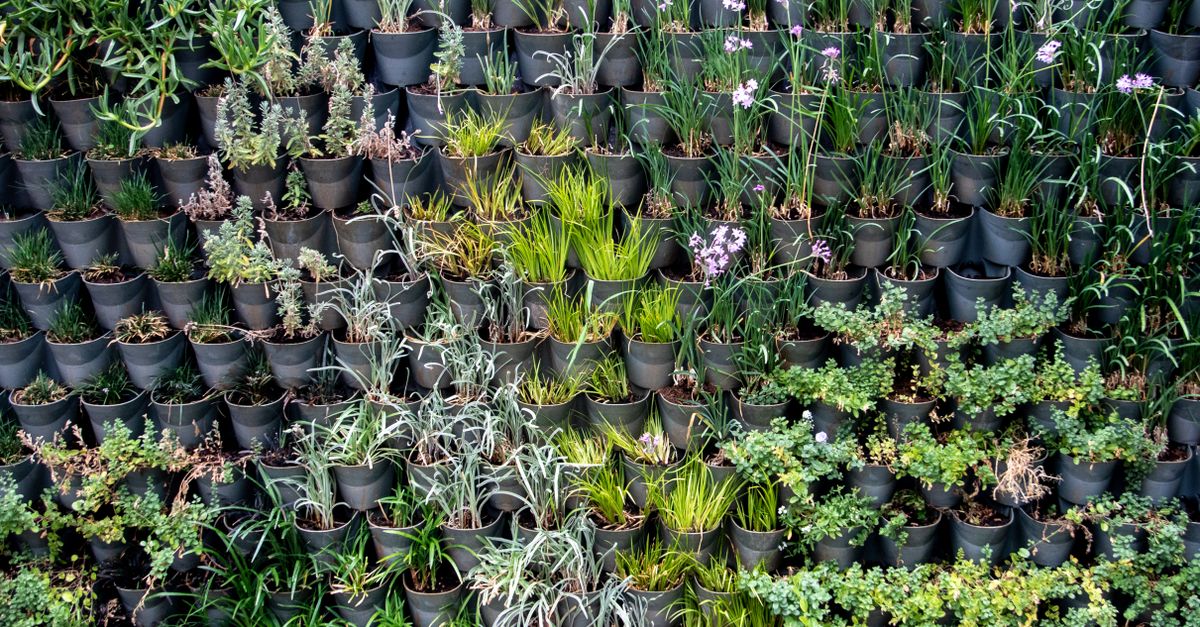
When I walk into a backyard that needs a makeover, I ask myself three core questions: What is the landscape’s purpose? How can we do it sustainably? And what professional services will deliver on those goals without breaking my budget? The answers guide every decision from initial consultation to final installation.
1. Clarify Your Landscape Objectives
Before hiring anyone, I write down the primary functions of your yard: privacy, entertaining space, low‑maintenance green area, or a child’s play zone. These objectives shape the design and service mix. For example, a high‑traffic patio needs durable paving and strategic plant placement to withstand foot traffic while still looking natural.
I always include future plans—will you host family gatherings? Do you want a vegetable garden next year? Knowing these helps me recommend a consultant who can build a flexible layout that accommodates growth.
Key Questions to Ask Yourself
- What activities will the space support?
- Do I prefer low‑maintenance or lush, high‑care landscaping?
- Is water conservation a priority for me?
- Will I need seasonal updates or a one‑time overhaul?
A useful practice is to create a mood board that visualizes your desired style. Include color palettes, plant textures, and any existing features you love. This tangible reference helps consultants translate abstract goals into concrete design concepts while keeping sustainability at the forefront.
When assembling your mood board, consider the site’s slope, soil type, and sun exposure. Sketching a simple diagram of the yard’s dimensions can also reveal hidden opportunities for shade trees or rain gardens that reduce cooling costs and improve stormwater management.
2. Evaluate Sustainable Landscaping Practices
Sustainability isn’t just about using native plants; it’s about integrating systems that conserve resources, reduce chemical use, and support local ecosystems.
I look for consultants who incorporate the following:
Eco‑Friendly Design Criteria
- Native Plant Selection: Plants adapted to local climate cut irrigation needs.
- Rainwater Harvesting: Collection barrels or cisterns reduce potable water use.
- Permeable Pavements: Allow stormwater infiltration, mitigating runoff.
- Integrated Pest Management (IPM): Minimizes chemical pesticides.
- Energy‑Efficient Lighting: LED fixtures powered by solar panels.
Sustainable landscaping also embraces practices like composting kitchen scraps to enrich soil, using mulch layers that retain moisture and suppress weeds, and installing drip irrigation systems that deliver water directly to root zones. For example, a consultant might suggest a xeriscape design featuring drought‑tolerant succulents such as sedum or agave, paired with a rain barrel to capture runoff from the roof.
Sustainable landscaping delivers long‑term cost savings and a healthier environment, making it worth the upfront investment.3. Shrub & Hedge Trimming: The Foundation of Healthy Plants
Proper trimming keeps shrubs vigorous, improves air circulation, and prevents disease. I focus on these essentials when selecting a service provider:
Trimming Best Practices Checklist
- Timing: Trim in late winter or early spring to avoid stressing plants.
- Tools: Sharp shears, loppers, and pruning saws reduce damage.
- Technique: Cut at a slight angle to promote water runoff.
- Safety: Use proper footwear and eye protection; avoid over‑reach.
- Frequency: Most shrubs require annual trimming; hedges may need semi‑annual visits.
I’ve seen clients waste money on aggressive pruning that kills the plant. A skilled trimper preserves form while encouraging healthy growth.
When planning a trimming schedule, consider each species’ growth cycle. For instance, boxwood hedges respond well to light, regular cuts that maintain shape, whereas ornamental roses need more substantial pruning after flowering to stimulate new canes and reduce disease risk. A knowledgeable consultant will tailor the approach for every plant type in your landscape.
Additionally, a good trimper cleans tools between plants to prevent pathogen spread—a simple practice that protects both your yard and the broader garden community.
4. Water Feature Installation: Adding a Touch of Serenity
A well‑designed water feature can become a focal point and enhance property value. When I assess installation options, I weigh aesthetics against practicality.
Installation Considerations
- Type: Ponds, fountains, waterfalls, or cascading stone channels each have unique maintenance needs.
- Water Source: Use a recirculating pump and filtration system to reduce water loss.
- Energy Efficiency: Solar‑powered pumps cut electricity costs.
- Safety: Install non‑slip surfaces and secure barriers if children or pets are present.
- Permits & Regulations: Check local zoning for restrictions on water bodies.
In my experience, clients who choose a simple, low‑maintenance fountain often report higher satisfaction than those opting for elaborate ponds that require constant upkeep. The goal is to align the feature with your lifestyle and maintenance willingness.
Additional practical tips include selecting a pump size that matches the water volume—an oversized pump can cause noise and waste energy, while an undersized one may fail to circulate properly. For small gardens, a solar‑powered fountain offers a quiet, eco‑friendly option that requires minimal wiring.
A floating plant like duckweed or a submerged aquatic plant not only adds visual interest but also helps filter the water, reducing the need for chemical treatments.
5. Choosing the Right Professional Service
Selecting a consultant involves more than checking credentials; it’s about fit, communication, and past results.
What to Ask During Your Initial Consultation
- Can you provide references or case studies?
- How do you approach sustainable design?
- What is your typical project timeline?
- Do you handle permitting and inspections?
- What are your billing terms and guarantees?
I’ve worked with firms that promise “fast turnaround” but then deliver subpar work. A reliable consultant will explain every step and provide a detailed proposal before any contract.
A good indicator of long‑term partnership is the consultant’s willingness to share design software or concept boards, allowing you to visualize changes in real time. Additionally, ask whether they have experience with local building codes and environmental regulations—this can save time and prevent costly redesigns later.
Look for certifications that demonstrate a commitment to green practices, such as NABCEP solar installation credentials or membership in regional sustainable landscaping associations.
6. Cost Breakdown & Budgeting for 2026 Projects
Understanding the cost components helps avoid surprise expenses. My typical budget categories include:
- Design Fees: $200–$500 per hour, depending on complexity.
- Plant Procurement: $1–$5 per square foot for native species.
- Hardscape Materials: $6–$15 per square foot for paving or retaining walls.
- Labor: $20–$35 per hour, varying by region and skill level.
- Water Feature Installation: $1,500–$5,000 depending on size and type.
I recommend setting a contingency of 10% to cover unforeseen issues like soil testing or unexpected permits. In my experience, clients who budgeted for contingencies saved time and money when complications arose.
Consider also ongoing maintenance costs: seasonal pruning, mulching, irrigation system checks, and occasional pest control. For sustainable landscapes, these expenses often decline over time as the ecosystem stabilizes and native species thrive without intensive care.
For a 500‑square‑foot yard, an example budget might look like this:
- Design: $750
- Plants: $1,250
- Hardscapes: $5,000
- Labor: $3,200
- Water Feature: $2,500
- Contingency (10%): $1,350
Total: ~$14,850. Adjust the figures to match your local price levels and project scope.
7. Common Mistakes to Avoid When Hiring Landscape Services
Even seasoned homeowners can fall into pitfalls that inflate costs or degrade quality.
Error List & Prevention Tips
- Skipping Soil Testing: Neglecting this step leads to plant failure; always start with a soil analysis.
- Choosing Cheapest Option: Low bids often mean subpar materials or rushed work.
- Lack of Written Contract: Avoid oral agreements; insist on a detailed written scope.
- Ignoring Maintenance Plans: A beautiful yard needs ongoing care; discuss long‑term maintenance with the consultant.
- Overdesigning: Complex designs may look impressive but are harder to maintain and more costly.
- Overwatering: Without a proper irrigation plan, water can become wasteful and promote root rot.
By being aware of these mistakes, you can steer clear of common pitfalls and secure a successful project outcome.
8. Final Checklist Before Engaging a Contractor
A systematic approach ensures you’re fully prepared when the consultant arrives.
- Define your goals and budget clearly.
- Research at least three potential contractors and request proposals.
- Verify licenses, insurance, and references.
- Review design concepts and adjust for sustainability preferences.
- Confirm a detailed project timeline and payment schedule.
- Schedule a site visit to assess soil conditions and existing features.
- Ask about warranty coverage on installed hardscapes and structural elements.
- Clarify communication expectations: email updates, monthly meetings, or an app for progress photos.
When you’re ready, I’ll walk through each item with you to confirm nothing is overlooked.
What sustainable landscaping feature would most improve your backyard’s functionality and why?


