
How can I combine weed control, hardscape installation, and lawn mowing services for property beautification?
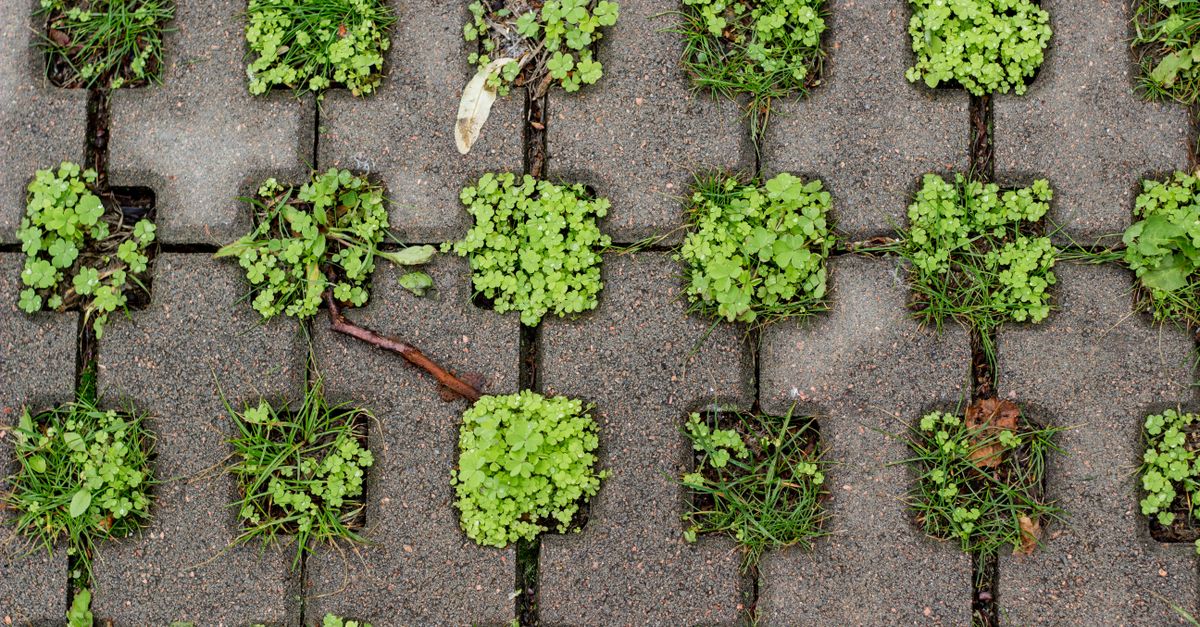
I’ve spent years turning a patch of uneven grass into a landscape that feels both inviting and low‑maintenance. The challenge many homeowners face is figuring out how the pieces—weed control, hardscape installation, and lawn mowing services—fit together into a cohesive plan that actually delivers visible improvement without breaking the bank.
By strategically timing each service, homeowners can create a synergistic effect that transforms any yard into a low‑maintenance oasis. When every element supports the next, the result is a seamless blend of structure, color, and texture that feels effortless to maintain.
Weed Control: The Foundation of a Healthy Lawn
The first step to a beautiful yard is keeping weeds at bay. Weeds compete for nutrients, water, and sunlight; if left unchecked they undermine both aesthetic appeal and lawn health. I focus on a layered approach that uses cultural practices before chemicals.
My typical strategy involves:
Key Weed Control Tactics
- Pre‑emergent herbicide application in early spring to block seed germination.
- Targeted spot treatments for persistent species like dandelion and clover.
- Regular mulching around trees and flower beds to suppress weed growth.
- Installing a high‑density turf that crowds out opportunistic weeds.
- Using organic options—like vinegar or corn gluten meal—for eco‑friendly homeowners.
I’ve seen yards transform when the first round of pre‑emergent is applied on time; the lawn looks denser, and we see a noticeable drop in weed density after the second season. The key takeaway? A proactive, multi‑layered approach saves you both money and effort down the line.
To fine‑tune your schedule, consider these additional steps:
Pre‑Emergent Timing Tips
- Apply when soil temperatures reach 55–65°F to ensure maximum efficacy.
- Reapply after heavy rains or a sudden cold snap if the first coat has washed away.
- Combine with a light overseeding program; new grass will compete more effectively against weeds.
By layering chemical treatments with cultural practices, you create an environment where healthy turf thrives and weed seedlings struggle to establish. This foundation not only improves appearance but also reduces the need for frequent mowing or spot‑treatments later on.
Hardscape Installation: Adding Structure and Visual Interest
Once weeds are controlled, hardscaping gives your property form and function. A well‑planned patio, pathway, or retaining wall can anchor a lawn, create usable space, and dramatically shift the visual rhythm of the yard.
When designing hardscape elements I consider site topography, material durability, and how they integrate with existing plants. The goal is to build structures that complement rather than compete with the greenery.
Hardscape Planning Checklist
- Map out slope and drainage to prevent water pooling.
- Select materials (stone, brick, pavers) that match your home’s architectural style.
- Define functional zones—e.g., dining area, play zone, or garden walkway.
- Incorporate lighting for safety and nighttime aesthetics.
- Plan for future maintenance: easy access to irrigation lines and drainage.
A solid hardscape foundation not only enhances curb appeal but also reduces lawn maintenance by limiting the need for mowing in high‑traffic areas. It’s an investment that pays dividends in both beauty and usability.
Hardscape Installation Steps
- Site Assessment: Survey existing vegetation, foot traffic patterns, and any underground utilities.
- Design Development: Sketch a layout that balances open lawn with defined hardscapes; include buffer zones to protect plants.
- Material Selection: Choose permeable pavers for stormwater infiltration or natural stone for a rustic look; consider color contrast with the grass.
- Construction Phase: Excavate, lay a base of crushed rock and sand, then set the hardscape units. Finish with edging to keep mulch contained.
- Post‑Installation Care: Seal joints if required, add mulch around trees, and schedule periodic inspections for settling or erosion.
When executed thoughtfully, a hardscape can serve as a visual anchor that guides the eye through your yard while providing functional spaces—like a patio for summer barbecues or a retaining wall to tame steep slopes. These features become integral parts of the lawn’s ecosystem, encouraging healthy growth by directing water flow and reducing soil compaction.
Lawn Mowing Services: Precision, Timing, and Equipment Matters
Even with weed control and hardscape, a well‑mowed lawn is essential to finish the look. Professional mowing services bring precision tools and expertise that homeowners rarely match with DIY equipment.
I’ve found that scheduling regular cuts—typically every 7–10 days during peak growing season—keeps grass blades at an optimal height (about 2½ inches) which promotes deeper root growth and weed suppression.
Professional Mowing Best Practices
- Use a mower with adjustable cutting height to match seasonal growth patterns.
- Keep the blade sharp; dull blades tear grass, encouraging disease.
- Trim edges along hardscapes for clean lines and better safety.
- Schedule mowing before heavy rain to avoid muddy conditions.
- Employ a two‑pass system in wide lawns to reduce soil compaction.
The difference between an owner‑mowed lawn and a professionally maintained one is stark. Professionals can identify early signs of stress—such as yellowing or thinning—and adjust care accordingly, keeping the yard healthy and attractive year after year.
Seasonal Mowing Adjustments
- Spring: Start at a higher cut (3–3½ inches) to allow the grass to acclimate; gradually lower as temperatures rise.
- Summer: Maintain 2½–3 inches during heat waves to conserve moisture; use mulching mowers to return nutrients.
- Fall: Reduce height back to 2¼ inches to prepare for winter dormancy and prevent fungal buildup.
- Winter: Limit mowing to the last few weeks of activity; keep blades short to reduce wind damage during storms.
Integrating a mulching or reel mower can also add texture, turning clippings into natural mulch that feeds the lawn. The right equipment, combined with strategic timing, turns routine mowing from a chore into a maintenance strategy that supports overall yard health.
Professional Lawn Maintenance vs DIY: Which Path Saves Time and Money?
A recurring question I hear from friends and clients is whether to hire a full‑service lawn care company or tackle maintenance themselves. The decision hinges on time, expertise, and budget.
I’ve built a quick comparison framework that you can use to decide:
DIY vs Professional Lawn Care Matrix
- Time Investment: DIY requires 5–10 hours per month; pro services handle all tasks.
- Skill Level: Professionals know how to balance mowing, fertilizing, and pest control.
- Equipment Costs: Owning a commercial mower can cost $2,000+ vs renting for $300/month.
- Consistency: Pro services maintain steady schedules regardless of holidays or weather.
- Long‑Term Savings: Proper maintenance reduces costly repairs like root rot or turf replacement.
If you’re a busy parent with teenage kids and a dog that loves the yard, hiring a pro frees up your weekend for family time. If you enjoy gardening as a hobby and have a spare lawn mower, DIY can be rewarding—and sometimes cheaper—if you stay disciplined.
Additional considerations include:
- Insurance & Liability: Professional crews carry liability coverage; owners risk injury or damage when operating heavy equipment.
- Technology Integration: Many service providers use scheduling apps and GPS tracking, ensuring timely service without you having to call each time.
- Expertise in Integrated Care: A pro can coordinate weed control, fertilization, and hardscape maintenance within one contract, avoiding overlapping or conflicting treatments.
Ultimately, the right choice depends on your personal priorities—whether you value hands‑on involvement or prefer a hassle‑free approach that still delivers professional results.
Integrating All Elements: A Cohesive Plan for Property Beautification
The final step is to weave weed control, hardscape, mowing, and maintenance into one streamlined schedule. I recommend a quarterly review cycle that aligns with seasonal changes.
Here’s how I organize it:
Year‑Round Integration Blueprint
- Spring: Apply pre‑emergent, install hardscapes, start regular mowing; overseed if needed.
- Summer: Monitor weed pressure; spot‑treat aggressively if needed; maintain mulching mower for nutrient return.
- Fall: Switch to post‑emergent herbicides and adjust mowing height; conduct aeration and overseeding in cooler months.
- Winter: Perform a maintenance audit—check irrigation, inspect hardscape integrity, schedule leaf removal; shut off irrigation during freeze periods.
A detailed monthly checklist can further refine this plan. For example:
- January: Inspect hardscapes for erosion or damage from winter storms.
- March: Test soil pH and nutrient levels; adjust fertilizer schedule accordingly.
- May: Apply a balanced pre‑emergent if conditions are favorable.
- August: Perform a leaf sweep to prevent fungal growth on hardscape edges.
By synchronizing these actions I’ve seen property values rise and lawn health improve dramatically. The key takeaway is that consistency beats sporadic fixes; a planned approach delivers lasting beauty with minimal effort.
Consistency in scheduling weed control, hardscape maintenance, and mowing creates a self‑reinforcing cycle of lawn health and curb appeal.In my experience, homeowners who treat these elements as interdependent rather than isolated tasks save both time and money while achieving professional results. This holistic view turns a patchy yard into a cohesive landscape that invites family gatherings, reduces maintenance headaches, and enhances overall property value.
What is the one area—weed control, hardscape design, or mowing schedule—that you find most challenging to maintain consistently?


