
How Can I Design a Functional Outdoor Entertainment Space While Restoring My Backyard Landscape?
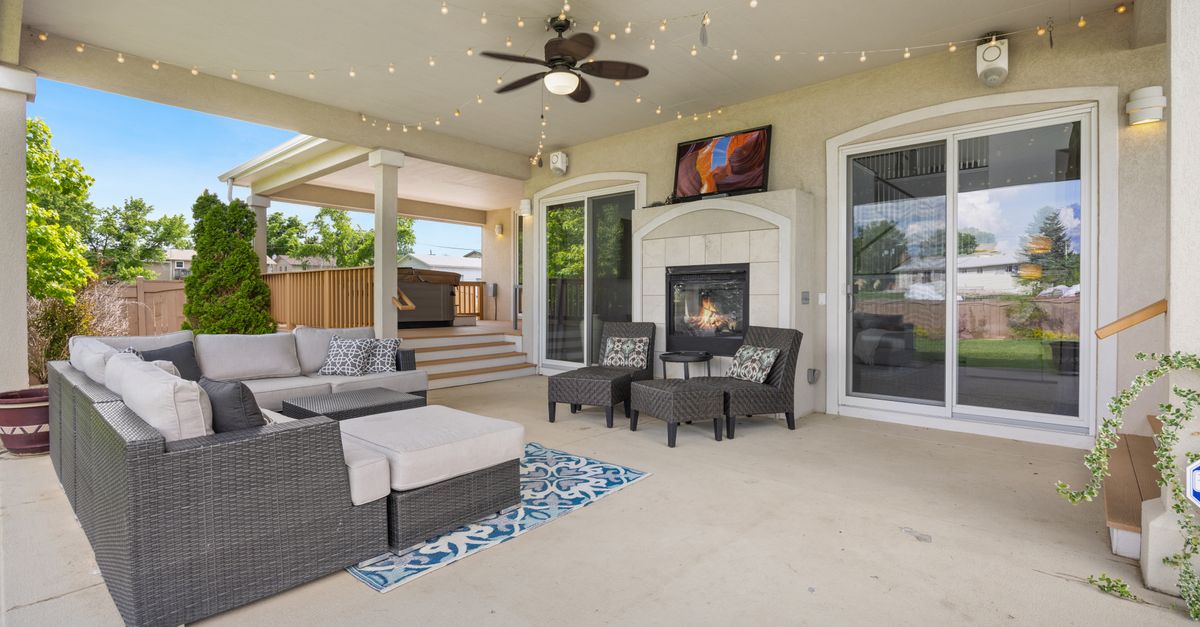
I’ve spent the last decade turning ordinary backyards into vibrant entertainment hubs that blend aesthetics, function, and environmental stewardship. When you’re planning an outdoor space, you need to think beyond a patio or grill; every element—from grading to fence integration—must work together toward a cohesive design.
1. Assessing Your Backyard Landscape Needs
The first step is a reality check: what do I want out of my yard and what does the land actually offer? I start by mapping existing topography, drainage patterns, and soil quality. These facts dictate which restoration techniques are necessary and how much grading will be required.
Once I have that data, I evaluate access points, views, and natural features like mature trees or stone outcrops. The goal is to preserve what makes the space unique while setting the stage for a new entertainment zone.
Key Factors to Evaluate
- Topographic contours and slope stability
- Existing drainage paths and runoff behavior
- Soil composition and fertility levels
- Sun exposure zones throughout the day
- Proximity of existing structures and privacy concerns
After compiling these insights, I draft a rough plan that balances natural restoration with entertainment functionality.
Practical Evaluation Tips
- Use a simple laser level or a smartphone app to sketch slope lines directly on the ground during daylight hours.
- Place a rain gauge in the lowest point of the yard to confirm water accumulation trends over several weeks.
- Walk the perimeter at dusk and dawn to capture how light falls on potential seating areas, ensuring they remain comfortable year‑round.
These low‑cost steps give you confidence that your design will work with nature rather than against it.
2. Planning Outdoor Entertainment Spaces
With the landscape assessment in hand, I move to design intent. The core question is: which activities will dominate my outdoor area? Will it be a grill-and-table setup, a fire pit retreat, or an open‑air theater?
I then sketch layout options that respect grading constraints and fence integration points. This stage also involves selecting materials—stone, timber, composite decking—that complement both the ecological goals and aesthetic preferences.
Design Elements for Engaging Outdoor Spaces
- Central focal point (e.g., fire pit or pergola)
- Defined seating zones with weather‑resistant furniture
- Pathways that guide flow from indoor to outdoor areas
- Shade structures aligned with sun paths for comfort
- Lighting plan that enhances safety and ambiance
- Sound barriers where necessary (e.g., living walls or dense shrubbery)
Integrating these elements early prevents costly rework during construction.
Adding Functional Detail
- Plan a “back‑to‑front” flow: entrance → gathering area → cooking zone → dining space → relaxation nook. This keeps traffic organized even in the heat of summer.
- When selecting furniture, consider modular pieces that can be rearranged for parties or quiet evenings; this flexibility extends the life of your investment.
- Incorporate a small storage shed or built‑in cabinets near the kitchen area to keep tools and utensils tidy without sacrificing style.
The result is an environment that feels natural yet thoughtfully arranged for every occasion.
3. Landscape Restoration Basics
Restoration is about restoring ecological balance while preparing the ground for development. I begin by addressing erosion, which often hampers grading efforts. Native plant selection reduces maintenance and supports local wildlife.
I also focus on soil amendment: adding organic matter improves drainage and root growth, essential when installing patios or decks that sit above natural ground.
Restoration Steps to Follow
- Remove invasive species and debris carefully
- Re‑grade slopes to a gentle 2–3% decline toward the lowest point
- Amend soil with compost and topsoil to achieve desired texture
- Plant native groundcover for erosion control
- Install mulch layers to lock in moisture and suppress weeds
- Introduce trees and shrubs that fit the microclimate
These steps create a stable foundation that supports both entertainment features and long‑term sustainability.
Choosing the Right Native Plants
- For dry, sunny spots, consider succulents like sedum or native grasses such as blue grama; they retain moisture and require little fertilizer.
- In shaded corners, select ferns or shade‑tolerant groundcovers like creeping thyme to keep the area lush without heavy watering.
- When selecting trees, evaluate root spread: a shallow-rooted willow can thrive near structures without compromising foundations, whereas a deep-rooted oak may need space away from sidewalks.
By matching plant choice to site conditions, you reduce long‑term maintenance while enhancing biodiversity.
4. Fence and Landscaping Integration Strategies
A fence can serve as a privacy screen, boundary marker, or even a structural component for pergolas. When I integrate fences with landscaping, the result is a seamless transition between built and natural elements.
I typically select materials that complement the surrounding flora—wood or composite for a rustic feel, or low‑profile metal for a modern aesthetic. The fence’s height and spacing are calculated to allow light penetration while maintaining privacy.
Tips for Successful Integration
- Select fencing material that matches or contrasts intentionally with plant colors
- Incorporate planter boxes or vertical gardens into the fence structure
- Use the fence as a backdrop for lighting fixtures or climbing vines
- Ensure proper drainage behind the fence to avoid water accumulation
- Install gate access points that align with pathway routes
- Maintain a minimum clearance from trees to prevent root damage
A well‑planned fence not only defines space but also enhances curb appeal and functionality.
Advanced Fence Features
- Consider adding a “living fence” where vines such as ivy or sweet potato vine climb over the posts, creating a natural wall that improves insulation.
- For high‑security needs, integrate a subtle lockable gate within a decorative trellis so security doesn’t compromise aesthetics.
- Use permeable fencing materials in wet areas to allow rainwater infiltration, reducing runoff and supporting local groundwater recharge.
These thoughtful touches elevate the fence from a simple boundary to an integral component of your landscape narrative.
5. Effective Landscape Grading Techniques
Grading is the backbone of any outdoor project. It directs water flow, prevents pooling, and shapes how users interact with the space. I start by establishing a “lowest point” that serves as the drainage outlet—usually near a storm drain or existing slope.
The grading plan must accommodate the entertainment zone’s footprint without compromising natural features. I use erosion control blankets temporarily while the soil settles into its new contour.
Step‑by‑Step Grading Process
- Create a detailed topographic map of the site
- Determine the desired slope gradient (typically 2–3%)
- Mark grading lines for major features like decks or patios
- Excavate and fill soil to achieve target elevations
- Compact layers in increments to avoid settling
- Re‑grade as needed after initial construction
- Install drainage components (French drains, swales) where necessary
- Apply erosion control measures during the first rainfall
When grading aligns with natural water movement, it reduces maintenance costs and protects the landscape from damage.
Choosing Drainage Solutions
- A French drain—perforated pipe laid in a gravel trench—can channel excess water away from decks without disrupting plant root zones.
- Swales, shallow vegetated channels, are ideal for gently redirecting runoff while serving as habitat corridors for pollinators.
- If your property has a steep slope, consider a rain garden: a planted depression that absorbs runoff and filters pollutants before the water reaches lower areas.
Integrating these systems early means you avoid costly retrofits later on.
6. Putting It All Together – Backyard Landscaping Ideas
The final phase is synthesis: merging entertainment design, restoration work, fence integration, and grading into a coherent backyard vision. I test each component in a mock‑up or scaled drawing to identify conflicts before the actual build.
From there, I move into construction, coordinating with contractors for precision installation of patios, pergolas, and fencing. Post‑construction, I monitor plant health and drainage performance to ensure long‑term success.
Idea Categories for Inspiration
- Outdoor kitchen with built‑in grill and prep area
- Fire pit surrounded by ergonomic seating
- Multi‑level patio that transitions into a raised garden bed
- Living wall or vertical garden behind the fence
- Water feature (pond or fountain) integrated within graded slope
- Outdoor theater with retractable shade and ambient lighting
- Play zone for kids using natural mulch and safe surfacing
Each idea must be weighed against site constraints, budget, and desired level of maintenance.
Practical Checklist Before Finalizing Design
- Confirm that the planned drainage outlet does not violate local storm‑water regulations.
- Ensure all electrical work for lighting or appliances follows code and is installed by a licensed electrician.
- Double‑check fence clearance to prevent damage during tree growth cycles.
- Verify that all plant selections are certified disease‑free and suitable for your climate zone.
- Schedule a post‑installation walk‑through with contractors to catch any misalignments early.
By following this checklist, you’ll reduce surprises and keep the project on schedule.
The most critical takeaway: successful outdoor entertainment spaces arise from a systematic approach that starts with thorough landscape assessment, followed by intentional grading and restoration before adding built elements. In my experience, the biggest surprise comes during the grading phase; even a well‑planned slope can shift after heavy rain if erosion control isn’t properly installed. I learned to double‑check compaction levels and add extra mulch where needed. What is one specific challenge you’ve encountered while integrating fencing with landscape design in your backyard?


