
How can I design and maintain a custom landscaping solution for my home?
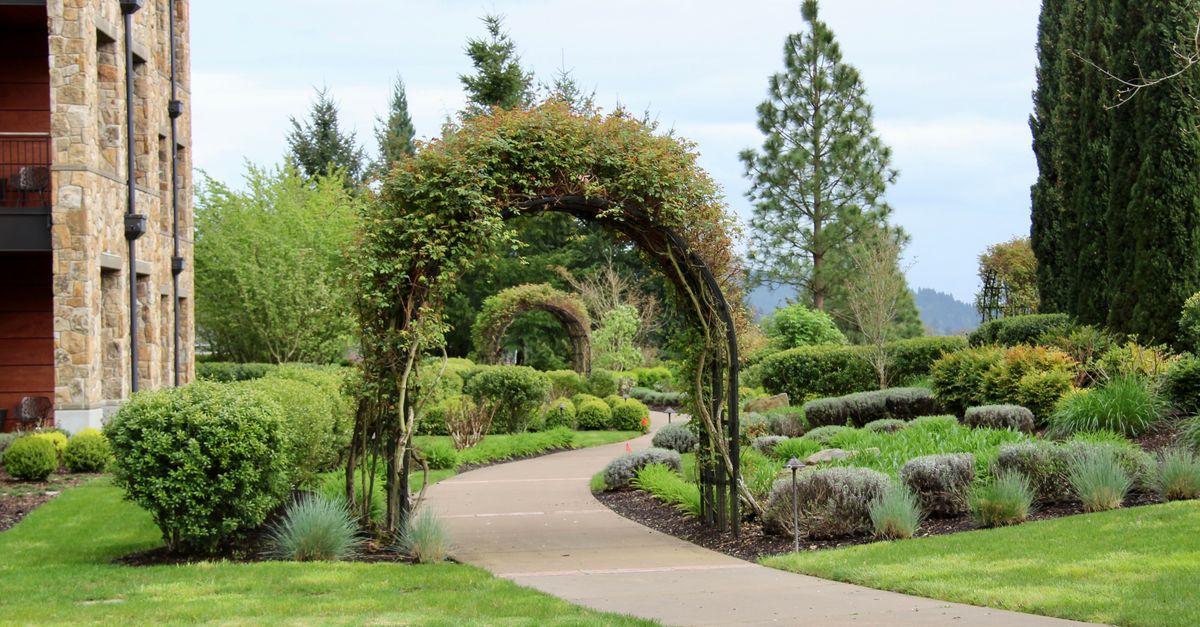
I’ve spent the last decade building businesses that solve problems at scale, but nothing tests my systems thinking more than turning a backyard into an outdoor living space. The challenge is simple: create an area that feels like an extension of your interior while keeping garden maintenance manageable and ensuring every exterior property enhancement delivers real value.
1. Clarify Your Vision Early
Before buying plants or hiring a contractor, I map out what the space should do for me and my family. Is it a place to host barbecues, a quiet retreat for meditation, or a playground for my kids? The answer dictates plant selection, hardscape features, and maintenance level.
Vision Mapping Tools
Sketching a rough layout on graph paper helps visualize spatial relationships between seating areas, pathways, and focal points. A mood board—either physical with cutouts or digital using Pinterest—captures the aesthetic you’re after, whether modern minimalism or rustic charm. Involve everyone who will use the space; jot down must‑have features like a fire pit, a pergola for shade, or a small herb garden.
Beyond mood boards, free online design tools such as SketchUp and Google Earth allow you to create 3‑D models of your yard. These platforms can simulate seasonal light patterns so you know where the sun will be at different times of day. A project timeline that aligns with local growing seasons ensures you plant when conditions are most favorable.
Key Questions to Answer:
I always start with “What activity will I use this space most?”
- Primary use (entertaining, relaxation, play)
- Desired aesthetic (modern minimalism vs. rustic charm)
- Seasonal considerations (shade vs. sun)
- Budget ceiling for construction and upkeep
- Timeline for completion (e.g., before a summer event)
2. Evaluate Your Current Landscape
A thorough assessment reduces costly surprises later. Measure square footage, note existing trees, drainage patterns, and soil quality. This baseline informs both design choices and the scope of exterior property enhancements.
Assessment Techniques
Use a measuring tape or laser distance tool to capture dimensions accurately. Drone imagery can reveal slope variations that are hard to see from the ground. A simple pH test kit will tell you if your soil is too acidic or alkaline for most plants. Pay attention to how water flows after rain; a small depression might become a pond without proper drainage.
In addition to pH, testing soil texture—sand, silt, clay composition—helps determine what amendments are needed. A DIY test using a handful of soil and a bucket of water will show whether the soil drains quickly or holds moisture. If you notice standing water in any spot, consider installing French drains or regrading the slope to redirect runoff.
Inspection Checklist:
- Footprint of existing structures (shed, patio)
- Sun exposure zones (north, south, east, west)
- Soil pH and texture
- Current irrigation system status
- Potential hazards (dead branches, uneven ground)
- Drainage patterns (natural or artificial)
3. Select Plants that Fit Your Climate and Maintenance Goals
Choosing the right plants is critical for long‑term garden maintenance. I prefer native species because they thrive with minimal water and resist local pests.
Plant Grouping Strategy
Group plants by light requirement—sun, partial shade, full shade—to simplify watering and pruning schedules. Layering from ground cover up to taller shrubs creates year‑round interest: a low‑lying yarrow or clover under a mid‑height rosemary, topped with a tall ornamental oak. Adding edible companions such as tomatoes near basil not only saves space but also attracts pollinators.
Companion planting can reduce pest pressure naturally; for example, marigolds deter nematodes while attracting beneficial insects that feed on aphids. When selecting perennials, consider drought‑tolerant varieties like sedum or ornamental grasses that require little maintenance once established.
- Low‑water shrubs (e.g., sage, rosemary)
- Perennials that return each spring (lavender, echinacea)
- Drought‑tolerant groundcovers (yarrow, clover)
- Fruit trees suited to the zone (apples, peaches)
The biggest win is selecting plants that align with your climate; it cuts both water bills and maintenance visits.
4. Design Hardscapes for Function and Aesthetic
Hardscape elements—patios, pergolas, retaining walls—anchor the outdoor living space. I prioritize materials that age gracefully and require minimal upkeep: natural stone, composite decking, or recycled concrete.
Hardscape Planning Tips
When sizing a patio, consider the width of furniture plus a 2‑foot clearance for walking. A pergola should be tall enough to let light filter through but low enough that it doesn’t block views from adjacent properties. Choose permeable pavers or gravel for pathways; they allow rainwater to seep into the ground rather than collect on the surface.
Recycled materials, such as reclaimed timber planks or crushed glass pavers, not only reduce environmental impact but also add unique texture. For lighting, solar LED fixtures can be embedded in paths or used as accent lights around focal points, providing energy‑efficient illumination that requires no wiring.
- Patio layout (size, orientation)
- Pergola shade design (roof style, height)
- Pathway material (gravel vs. pavers)
- Lighting integration (solar LED fixtures)
- Drainage features (French drains, swales)
5. Work with Landscape Installation Experts Who Understand Your Vision
Hiring professionals is an investment; choose those who listen and propose data‑driven solutions rather than generic kits.
Due Diligence Checklist
Ask for a portfolio that showcases similar projects in your region. Review the contract for clear pricing, timeline, and scope of work. Verify licensing and insurance to protect against unforeseen incidents. A reputable firm will offer a maintenance plan or warranty on installed elements.
Request references from homeowners whose projects resemble yours; a quick call can reveal how the contractor handled delays or budget overruns. Look for firms that hold green certifications, such as Landscape Architecture Certification (LAC) or LEED accreditation, which indicates a commitment to sustainable practices.
- Portfolio of similar projects
- Transparent pricing breakdown
- Experience with custom landscaping solutions
- Warranty or maintenance contracts offered
- Positive client testimonials from local homeowners
- Green certifications or sustainability credentials
6. Plan for Long‑Term Maintenance and Sustainability
A well‑designed yard should require fewer visits. I install a drip irrigation system that conserves water and schedule seasonal pruning to keep plants healthy.
Maintenance Calendar
Create a simple spreadsheet: mark spring fertilization, mid‑summer mulch refresh, fall leaf cleanup, and winter weed control. Mulch depth of 2–3 inches retains moisture and suppresses weeds. Compost kitchen scraps on the lawn edge; this not only reduces waste but also feeds soil organically.
In addition to manual tasks, consider a smart irrigation controller that adjusts watering based on weather forecasts. Rain barrels can capture runoff from roofs, providing an extra water source for seasonal drought periods. Regular pest scouting in late spring and early fall helps catch infestations before they spread.
- Automated watering schedules (smart controllers)
- Mulch layers to retain moisture
- Integrated composting for organic waste
- Regular inspections for pests or disease signs
- Seasonal pruning and trimming guidelines
- Winter protection measures for fragile plants
7. Budget Wisely: Cost vs. Return on Investment
I treat every dollar spent as a potential return on lifestyle quality, not just monetary gain. A small upfront investment in high‑quality materials often saves money over the life of the project.
Cost Breakdown Example
Hardscape materials typically range from $5 to $15 per square foot depending on choice; native plants may cost $10–$30 each when purchased in bulk. Labor can vary, but a transparent estimate will break down design fees, material procurement, site preparation, and installation. Don’t forget potential permits for grading or retaining walls—these are often overlooked until the contractor asks for them.
Beyond immediate costs, factor in long‑term savings: water bills may drop 20–30% with drought‑tolerant plants; a low-maintenance design can reduce annual labor by up to 50%. For example, a $4,000 patio that uses composite decking and efficient irrigation could generate an estimated $800 per year in utility savings, paying for itself in just five years.
Budgeting Tips
- Use bulk purchases for plants to reduce unit cost.
- Opt for recycled or reclaimed materials where possible.
- Include a contingency line item (10–15% of total) for unexpected site challenges.
- Request phased payment schedules tied to project milestones.
- Hardscape materials (average cost per square foot)
- Plant purchase vs. nursery bulk discounts
- Labor rates for installation and design services
- Maintenance equipment (hoe, hose, mulcher)
8. Avoid Common Mistakes That Undermine Outdoor Living Spaces
Many homeowners overlook these pitfalls:
- Ignoring soil testing before planting
- Choosing plants that outgrow the space quickly
- Neglecting drainage solutions leading to water pooling
- Over‑decorating with hardscape instead of plant life
- Failing to schedule post‑installation maintenance
- Underestimating the cost of irrigation adjustments or seasonal cleanup
To mitigate these risks, start by conducting a comprehensive soil and drainage assessment. Select plants that fit both your design scale and growth habit; a fast‑growing bamboo can become invasive if not properly contained. Incorporate built‑in drainage features such as swales or permeable pavers during the initial design phase. Balance hardscapes with living plant beds to maintain visual interest and ecological function. Finally, draft a maintenance schedule before handover so that upkeep responsibilities are clear.
9. Celebrate Your Space and Iterate Over Time
Once the installation is complete, I host a small family gathering to test the functionality. Feedback from my kids—especially Zachary who loves a good basketball court—helps refine future tweaks.
Iterative Improvement
Take photos each season and note what feels right or off. If a pathway seems too narrow, widen it in the next renovation cycle. A living space evolves; treating it as a dynamic project keeps your outdoor area fresh and functional for years.
Consider maintaining a garden journal that records planting dates, rainfall totals, and pest observations. This log becomes invaluable when you decide to add new features, such as a vertical herb wall or a small pond, because you’ll know exactly how the existing plants respond to added moisture or shade.
What’s one change you’re planning for your outdoor living space that will make it more functional or enjoyable?


