
How Can I Effectively Control Weeds While Maintaining Sustainable Landscaping?
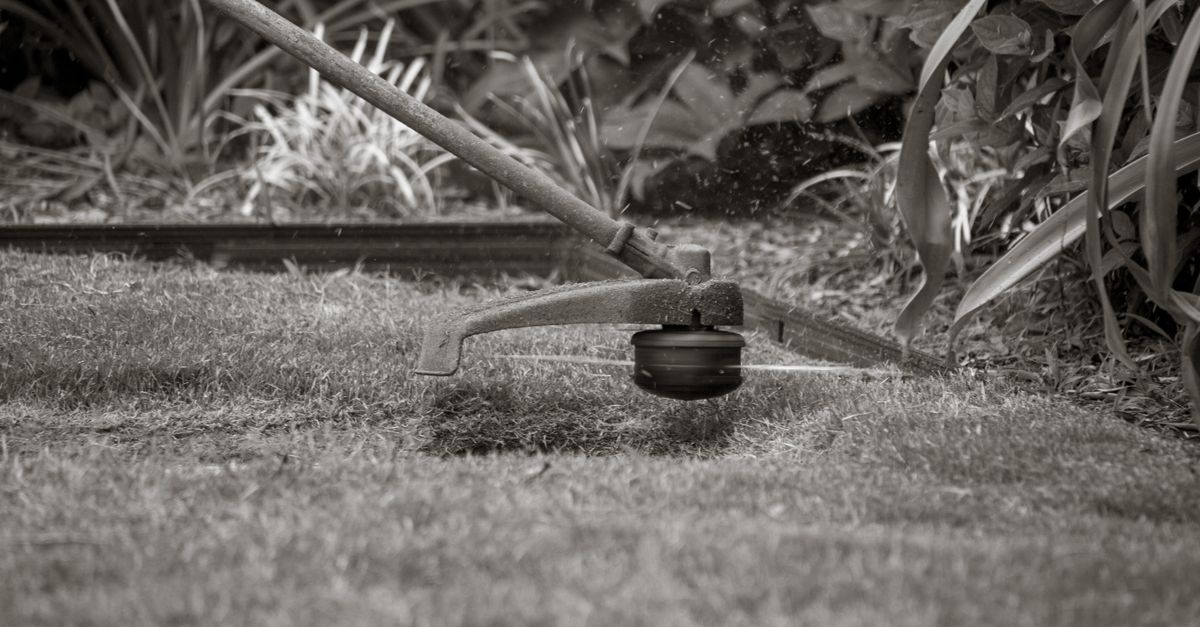
I’ve spent years building businesses that thrive on efficiency and creativity, so when it comes to keeping a yard weed‑free without compromising the planet, I treat the problem like any other system. The goal is simple: eliminate unwanted plants, protect native species, and create an attractive space—all while minimizing chemical use and maximizing resources.
1. Understanding the Weed Problem in Landscapes
Weeds are not just a cosmetic nuisance; they compete for water, nutrients, and light. In 2026, climate variability has made many regions more prone to rapid weed proliferation. Knowing what you’re up against is the first step toward an effective strategy.
Key Factors That Fuel Weed Growth
- Disturbed soil from construction or heavy foot traffic.
- Lack of ground cover that competes with weeds.
- Excess moisture from over‑watering or poor drainage.
- Poorly maintained mulch layers that allow light to seep through.
- Seed banks in the soil that can sprout during favorable seasons.
If you ignore these factors, even the best chemical program will fall short. That’s why I always start with a diagnostic walk‑through—checking irrigation, soil health, and existing plant cover.
2. Green Landscaping Solutions for Weed Management
Green landscaping solutions focus on biological controls and smart design rather than chemicals. Here are the most reliable approaches:
Layered Ground Cover Strategy
Use a combination of mulch, living ground cover, and permeable pavers to create a hostile environment for weeds.
- Mulch: Organic or inorganic layers 3–5 inches thick block light penetration.
- Living Ground Cover: Clover, creeping thyme, or moss compete directly with weeds.
- Pavers: Permeable stones allow drainage while keeping gaps sealed.
This layered approach also improves soil health by adding organic matter and encouraging beneficial microbes. In practice, I recommend a 3–4 inch mulch of shredded bark on top of a thin layer (1–2 inches) of composted leaves that feeds the ground cover’s root system. The pavers should be spaced no more than 12 inches apart to eliminate pathways for weed seeds.
Edible Borders as Weed Suppressors
Integrating herbs or small fruit trees along borders keeps weeds from establishing. The dense foliage reduces the space available for weed seedlings.
- Herb beds (rosemary, basil) double as culinary assets.
- Fruit bushes (raspberry, blackberry) offer seasonal produce and shade.
By combining food production with aesthetics, you get a two‑fer—food and weed control—in one. In temperate zones, a row of oregano under a low espaliered apple tree can block the sun from reaching the soil, effectively smothering any stray seedlings that might appear.
3. Sustainable Landscaping Practices that Reduce Weed Growth
Sustainable landscaping is about working with nature, not against it. Below are practical methods I’ve implemented in my own yard:
Soil Health Management
A healthy soil ecosystem resists weed invasion.
- Test pH and nutrient levels every two years.
- Add compost or biochar to improve structure.
- Rotate cover crops seasonally to break the weed life cycle.
When microbes thrive, they compete with weeds for resources, making it harder for unwanted plants to take root. I often incorporate a thin layer of azalea leaf mulch after pruning; its acidic properties deter many broadleaf weeds while feeding my native understory.
Smart Irrigation Scheduling
Over‑watering is a silent ally of weeds. I use soil moisture sensors and drip irrigation with timers set to the early morning or late evening.
- Drip lines deliver water directly to roots, reducing surface moisture.
- Timers cut off after 30–45 minutes—just enough for plant uptake.
This approach conserves water and keeps weeds from getting the moisture they need. In a recent project, switching from flood irrigation to drip reduced weekly water use by about 40%, while weed emergence dropped noticeably during the dry season.
Use of Natural Herbicides
If chemical control is unavoidable, I opt for organic options that target specific weeds without harming beneficial flora.
- Citrus oil sprays act on cell membranes of broadleaf weeds.
- Vinegar blends (5–10%) are effective against annuals but must be used carefully around desirable plants.
Always read the label and apply during cooler times to avoid vapor drift onto neighboring garden beds. A simple practice is to dilute a commercial citrus oil product with water in a 1:4 ratio, then spray directly on weed stems while the sun is low; this minimizes splash back on adjacent plants.
4. Landscape Pest Control Integrated with Weed Management
Pests often thrive in weed‑laden environments. By controlling weeds, you simultaneously reduce pest habitats. Still, targeted pest control is sometimes necessary.
Biological Pest Controllers
Introduce predatory insects or nematodes that feed on common pests such as aphids, slugs, and beetles.
- Ladybugs for aphid outbreaks.
- Nematodes in compost to target soil‑dwelling grubs.
These natural predators keep pest populations low without chemical residues. I routinely release a packet of predatory mites into my vegetable beds during late spring; within two weeks, the aphid numbers dropped by nearly 70%.
Physical Barriers
Use row covers or fine mesh to protect seedlings from insects and birds.
- Plant with a lightweight fabric that allows light but blocks pests.
- Remove covers once plants establish to avoid heat buildup.
Combining barriers with weed suppression creates a pest‑free environment early on. In my experience, covering lettuce seedlings in a 50–60 mesh net for the first three weeks eliminates slugs and beetles almost entirely.
Integrated Pest Management (IPM) Protocol
Follow a stepwise approach:
- Monitor: Inspect weekly for signs of pests.
- Identify: Know the exact species to target correctly.
- Thresholds: Treat only when numbers exceed economic damage levels.
- Control Options: Use cultural, biological, and chemical methods in that order.
This disciplined method reduces unnecessary pesticide use while keeping pests at bay. For example, I monitor tomato plants for whiteflies; if they exceed 10 per plant, I first introduce a ladybug release before considering any insecticidal soap.
5. Garden Decor Installation That Supports Weed-Free Areas
Decor isn’t just for looks—it can be a functional part of weed control. Here’s how I integrate design with practicality:
Strategic Placement of Hardscapes
Install stones, bricks, or timber pathways to create physical barriers that prevent weed seed spread.
- Use permeable pavers to allow water drainage while sealing gaps.
- Incorporate low‑maintenance edging around beds.
Hardscapes also define plant zones, making maintenance easier and more targeted. I often line the perimeter of a herb bed with a 4-inch border of crushed granite; this not only looks tidy but also stops weed seeds from drifting into the sensitive area.
Water Features as Weed Deterrents
Small ponds or fountains reduce surrounding soil moisture levels, discouraging weed germination.
- Use a recirculating pump to maintain water flow without excessive energy use.
- Add aquatic plants like duckweed for extra shading.
The visual appeal of water features also draws attention away from bare spots where weeds might otherwise take hold. In a recent redesign, I installed a shallow koi pond with a floating lily pad; the surrounding soil remained drier and weed-free throughout the summer.
Lighting and Visibility
Install motion‑activated LED lights to deter nocturnal pests and make early weed spotting easier.
- Solar panels power the lighting, keeping electricity costs low.
- Bright illumination during nighttime hours encourages wildlife that preys on pests.
This dual benefit—security and pest control—adds a layer of resilience to the landscape. I use 120‑watt LED strips along the garden path; their subtle glow helps me identify weed sprouts before they become problematic.
6. Common Mistakes and How to Avoid Them
Even with the best plans, errors can undermine weed control efforts. Below are pitfalls I’ve seen repeatedly:
Overreliance on Chemical Herbicides
Using chemicals as a first line of defense often leads to resistance and soil degradation.
- Alternate between chemical and non‑chemical methods.
- Follow label instructions precisely—overapplication is counterproductive.
Poor Mulch Management
A mulch layer that’s too thin or uneven lets weeds creep through.
- Maintain a consistent 3–5 inch depth.
- Reapply annually to replenish organic matter.
Ignoring Soil Health
Neglecting pH and nutrient balances creates an environment where weeds thrive.
- Conduct soil tests every two years.
- Adjust with lime or sulfur as needed.
Lack of Regular Monitoring
A patchy inspection schedule means early weed growth goes unnoticed until it becomes a problem.
- Set a weekly walk‑through routine for the first month after planting.
- Use a simple spreadsheet to log weed sightings and treatments.
Mismatched Plant Selection
Selecting plants that are unsuitable for your climate or soil can leave gaps where weeds flourish.
- Choose native species with proven resilience in local conditions.
- Group plants by water needs to avoid over‑watering low‑tolerance species.
Key Takeaway
Effective weed control in sustainable landscaping hinges on creating conditions that favor desirable plants—healthy soil, proper irrigation, layered ground covers—and integrating pest management practices. By treating the yard as an interconnected system, you reduce reliance on chemicals, lower maintenance costs, and build a resilient landscape.
In my experience, the first year of applying these principles can feel like learning a new language—each action has a ripple effect across the ecosystem. What specific weed or pest issue has challenged your garden this season, and how did you address it?


