
How Can I Plan Seasonal Landscaping with Efficient Irrigation and Professional Tree Installation?
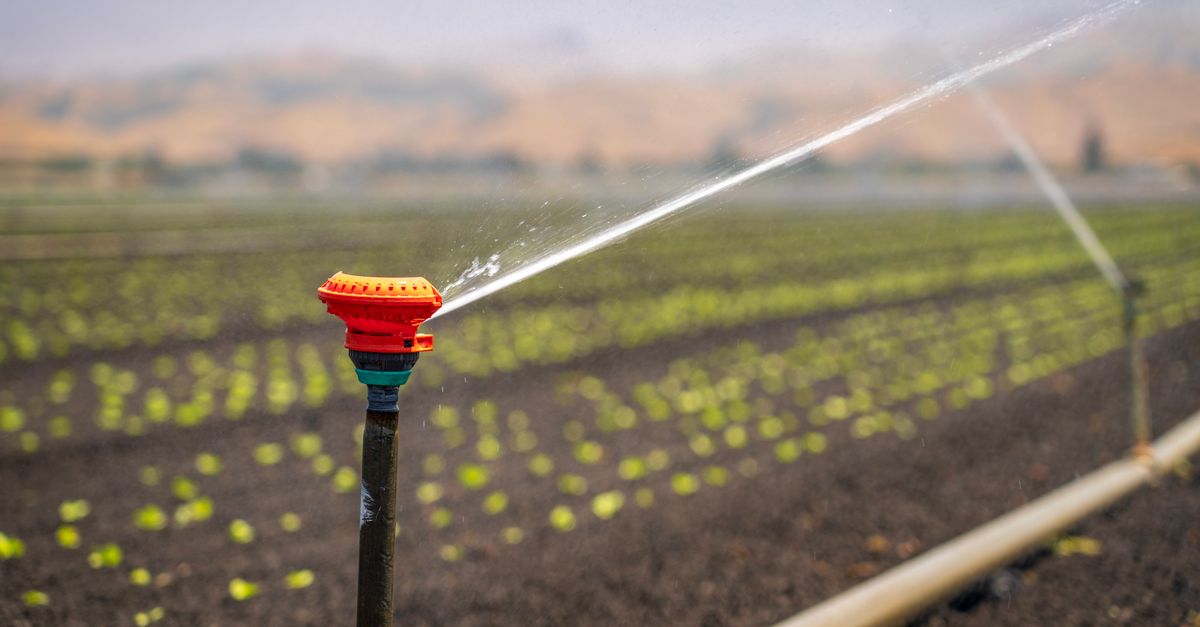
As winter ends and spring begins, yard owners face new challenges. With over a decade of experience designing resilient outdoor spaces, I’ll show you how to align seasonal landscaping with efficient irrigation, select appropriate plants, and determine when professional tree installation is needed.
1. Understanding Seasonal Landscaping Needs
The first step is mapping seasonal requirements; a summer lawn won’t survive winter without prep. I review local climate, soil, and light before designing.
Here’s how I break down seasonal landscaping tasks:
Key Seasonal Tasks
- Winter: Protect trees with burlap or wrap; prune dormant branches; clean leaf litter to prevent rot.
- Spring: Aerate soil, apply mulch, plant new seedlings, and adjust irrigation.
- Summer: Optimize watering schedules, manage heat stress, and monitor pests.
- Fall: Harvest mature crops, add compost, prepare mulches for winter, and prune final cuts.
A clear seasonal checklist saves time, resources, and keeps the yard healthy year‑long.
Digging Deeper: Climate, Soil, and Light Mapping
Before you touch a shovel, gather three essential pieces of data:
- Climate zone assessment: Use the USDA Plant Hardiness Zone Map to confirm which plants survive your coldest nights.
- Soil testing: A simple kit reveals pH, organic matter, and nutrients. If acidic (pH < 6), limen; if alkaline (>7.5), add sulfur.
- Sun exposure chart: Walk with a compass or app noting full sun, partial shade, or deep shade. Guides placement and irrigation because bright spots need more water.
With this info, you design a landscape that’s both beautiful and efficient every season.
2. Choosing Efficient Irrigation Systems for Different Seasons
Irrigation underpins a sustainable landscape—poorly designed systems waste money and damage plants, while efficient ones target moisture, save water, and lower bills.
When selecting a system, I evaluate three core components: type, control, and coverage.
Best Irrigation System Components
- Drip Lines: Ideal for beds, shrubs, and perennials; delivers water directly to roots.
- Soaker Hoses: Great for large lawns with minimal runoff.
- Smart Controllers: Use weather data to adjust schedules automatically.
- Rain Barrels & Harvesters: Capture runoff to reduce reliance on mains water.
- Pressure Regulators: Ensure consistent flow and prevent pipe damage.
- Backflow Preventers: Protect potable supplies from contamination.
A smart controller linked to local weather can cut irrigation time by up to 25%, preventing over‑ or under‑water.
Step‑by‑Step: Installing a Smart Controller
- Map your zones: Divide lawn and beds into distinct watering zones based on plant type and sun exposure.
- Select compatible hardware: Choose Wi‑Fi connectivity with an app that pulls real‑time weather data.
- Install pressure regulator and backflow preventer: Protect the system before it reaches your irrigation lines.
- Lay down drip or soaker lines: For beds, drill shallow holes (2–4 inches deep) at 18–24 inch intervals; for lawns, install soakers every 6–8 feet.
- Connect to controller and program zones: Set default watering times based on seasonal needs—shorter in winter, longer during early spring growth spurts.
- Run a test cycle: Verify even coverage; adjust emitter spacing if necessary.
The controller then tweaks watering automatically, saving water and energy while keeping plants healthy.
3. Planning Outdoor Landscaping Projects Around Plant Life Cycles
Knowing plant life cycles helps time planting, fertilizing, and pruning for maximum growth.
I follow a simple rhythm: plant in the off‑season, nurture during peak growth, prune before dormancy. This keeps plants healthy and reduces maintenance headaches.
Seasonal Planting Guide
- Late Fall: Rootstocks, perennials, and certain shrubs that need a rest period.
- Early Spring: Bulbs, ornamental grasses, early‑blooming perennials.
- Mid Summer: Heat‑tolerant succulents and drought‑resistant trees.
- Late Summer to Early Fall: Fruit trees, berry bushes, shade‑loving vines.
- Winter (mild climates): Evergreen shrubs and ornamental grasses for year‑round interest.
Concrete Examples: What to Plant and When
- Early Spring: Daffodils, tulips, crocuses planted after the last frost; they emerge as soil warms.
- Late Summer: Maple saplings benefit from a transplant when still in active growth but before winter stress.
- Fall (Zone 6+): Plant ornamental grasses like Pennisetum alopecuroides after the first frost to establish roots before cold sets in.
Fertilizing aligns with these windows too. A nitrogen‑rich feed in early spring boosts leaf development, while a balanced 10–10–10 in late summer supports fruit set and root growth before dormancy.
4. Tree and Plant Installation: Timing, Species, and Care
Tree installation shapes a yard’s character; I weigh soil depth, root spread, and maintenance.
Here are my top priorities when installing new trees:
Tree Installation Checklist
- Select the right species: Match climate zone, maturity size, and purpose (shade, privacy, ornamental).
- Prepare a proper planting hole: Twice as wide as the root ball but not deeper than the top of the bark.
- Use mulch wisely: 2–4 inches to conserve moisture without suffocating roots.
- Water deeply after planting: Follow up with a deep soak every week for the first three months.
- Install support stakes if needed: Provide stability during windy seasons.
- Schedule post‑planting pruning: Remove damaged branches to encourage healthy growth.
I’ve seen homeowners plant a mature oak in a tight spot, causing root damage or instability. Choosing the correct size and timing—often late winter when dormant—makes all the difference.
Additional Care Tips for New Plantings
- Root ball sizing: For every inch of trunk diameter, use a 12‑inch wide root ball. A larger ball reduces transplant shock and speeds establishment.
- Soil amendment: If the native soil is heavy clay, mix in a third portion of compost or well‑rotted manure to improve drainage.
- Post‑planting fertilization: Apply a slow‑release granular fertilizer at planting; avoid high‑nitrogen blends that favor leaf growth over root development.
- Pest and disease monitoring: Inspect new trees monthly for signs of aphids, scale, or fungal infections. Early detection prevents major infestations.
5. When to Hire Professional Landscaping Services
Even meticulous homeowners hit a wall when the scope expands beyond DIY comfort. Knowing when to bring in professionals saves time, money, and headaches.
I rely on these criteria: complexity of design, specialized equipment, safety concerns, or lack of expertise.
Signs It’s Time for Professionals
- Large‑scale grading or drainage issues: Requires heavy machinery and engineering knowledge.
- Custom hardscaping projects: Stonework, pergolas, retaining walls need precision cuts.
- Complex irrigation installations: Smart controllers with advanced zoning demand technical skill.
- Tree removal or transplanting: Safety hazards and potential damage to surrounding structures.
- Landscape design for commercial properties: Requires brand alignment and regulatory compliance.
- Ongoing maintenance contracts: Consistent care keeps plants healthy and reduces long‑term costs.
In my experience, investing in a professional firm for the initial setup often pays off by reducing future repair costs. Their knowledge of local codes, soil conditions, and plant compatibility is invaluable when building from scratch.
How to Choose the Right Contractor
- Licensing & insurance: Verify that the company holds a valid state license and general liability coverage.
- Portfolio review: Ask for before‑and‑after photos of similar projects—especially those in your climate zone.
- Credentials: Look for certifications such as Landscape Architecture Board (LARB) or National Association of Professional Landscape Engineers (NAPLE).
- Transparent pricing: A reputable firm will provide a detailed estimate that separates design, materials, labor, and contingency costs.
When you bring professionals on board, they handle everything from soil testing to final planting, freeing you to enjoy the finished landscape without technical stress.
Key Takeaway: Align every seasonal landscaping task with efficient irrigation and proper timing, and don’t hesitate to enlist professionals when the project’s scope or complexity exceeds your DIY skill set.What seasonal landscaping challenge are you currently facing in your yard that could benefit from a more efficient irrigation strategy?


