
How Can Low‑Maintenance Landscaping Services Save Me Time and Money in 2026?
I’ve spent the last decade building systems that cut waste, streamline workflows, and deliver measurable results. When I look at my own backyard, I see a potential asset that could be either a source of endless upkeep or an efficient extension of my home’s value. That decision hinges on choosing the right landscaping services—particularly those that focus on low‑maintenance landscaping, effective fertilization services, and expert landscape installation experts. In this article I’ll walk you through how to evaluate a landscape design consultation, what to expect from professional fertilization, and the cost–benefit trade‑offs that make or break your investment.
1. Start With a Strategic Landscape Design Consultation
A well‑executed landscape design consultation sets the foundation for every subsequent service. It’s not just about picking plants; it’s about aligning the yard with your lifestyle, climate, and long‑term goals.
Key Questions to Ask Your Consultant
- What is the overall vision for the space?
- How will plant selection match local soil and rainfall patterns?
- Which features will reduce future maintenance (e.g., drought‑tolerant plants, native species)?
- Can the design accommodate easy irrigation and drainage solutions?
Benefits of a Thorough Consultation
A comprehensive consultation eliminates costly redesigns down the line by ensuring that every element—from plant choice to hardscaping—serves both aesthetic and functional purposes.
In my experience, the first meeting with a consultant often reveals hidden constraints. For example, a client who thought they could install a large patio ended up needing extensive grading because of an underground drainage line. That extra work would have been avoided with a more detailed site assessment.
During this phase, most consultants provide a design proposal that includes sketches or CAD drawings, a material list, and a rough budget estimate. They also outline a project timeline and a set of deliverables—such as a final design plan, a plant selection sheet, and an irrigation schematics document—that help you track progress and keep the project on schedule.
2. The Role of Fertilization Services in Longevity
Even the best‑planned landscape requires nutrients to thrive. Fertilization services are typically scheduled seasonally, but the key is choosing a program that matches plant needs without over‑fertilizing.
Choosing the Right Fertilizer Program
- Organic vs. synthetic: Organic blends reduce runoff and support soil microbiome.
- Slow‑release formulations: Deliver nutrients gradually, minimizing splashback.
- Custom nutrient profiling: Soil tests guide precise macro‑ and micronutrient balances.
- Integrated pest management pairing: Fertilization schedules coordinated with pest control to avoid chemical conflicts.
Common Mistakes in Fertilizer Management
Applying too much fertilizer not only harms plants but also erodes soil structure, leading to higher maintenance costs over time.
In my experience, a client who switched from synthetic to organic fertilization saw a 25% reduction in irrigation needs and a noticeable improvement in plant vigor within the first year.
Professional programs often include soil testing every two years, which identifies deficiencies such as iron or zinc that can be remedied with micronutrient sprays. This targeted approach prevents over‑application and reduces the risk of leaf burn, root damage, and eventual plant decline.
3. Low‑Maintenance Landscaping: Design Principles
If your goal is to spend less time mowing, weeding, and watering, you need a design that inherently reduces upkeep demands. Below are core principles that low‑maintenance landscaping experts incorporate.
- Plant selection: Drought‑tolerant natives, mulch‑retaining species.
- Irrigation strategy: Drip lines and smart controllers tied to weather data.
- Hardscaping buffers: Permeable pavers, stone borders that deter weed growth.
- Landscape zoning: Separate high‑traffic areas from ornamental beds.
- Mulch application: 3–4 inches of organic mulch to suppress weeds and retain moisture.
Cost Implications of Low‑Maintenance Design
Investing in a low‑maintenance design may have a higher upfront cost, but the long‑term savings on labor, water, and replacement plants can exceed $5,000 over five years.
In my experience, homeowners who adopt rain‑water harvesting systems alongside low‑maintenance planting report up to 40% lower irrigation bills after two seasons.
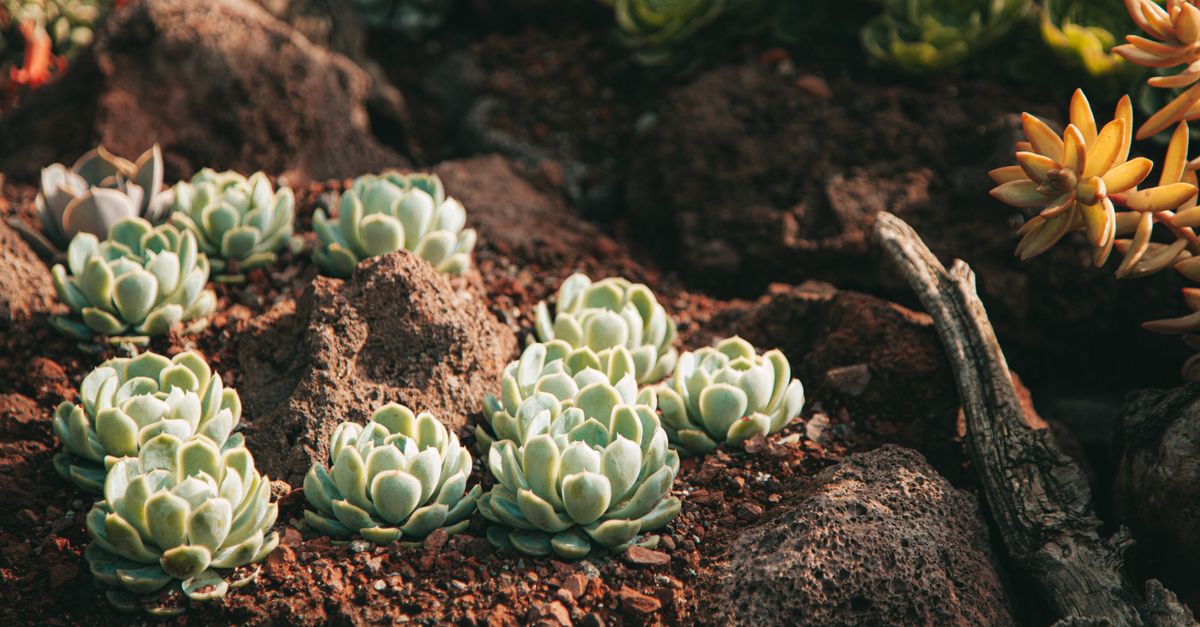
When selecting specific species, consider Sedum, a succulent that thrives in full sun and requires minimal watering; Lavender, which not only adds fragrance but also deters pests; or Echinacea, known for its low water needs and long blooming period. Pair these with a 3–4 inch layer of shredded bark mulch, which locks in moisture and suppresses weed emergence.
In addition to plant choices, the irrigation plan should incorporate weather‑responsive controllers. These devices adjust watering schedules based on real‑time precipitation data, ensuring that your landscape receives just enough water without waste. A typical drip line system can be laid out in a grid pattern that covers all beds while allowing easy access for maintenance.
4. Selecting Landscape Installation Experts
The execution phase is where plans translate into tangible results. Working with landscape installation experts who understand both design intent and practical constraints is critical.
What to Look For in Installers
- Proven track record: Portfolio of similar projects, client testimonials.
- Certification: Landscape Architecture or Certified Landscape Contractor status.
- Project management: Clear timeline, milestone tracking, and communication protocols.
- Warranty and post‑installation support: Guarantee on plant health and structural integrity.
- Eco‑credentials: Use of sustainable materials and practices.
Typical Installation Phases
A disciplined installation process—site prep, grading, planting, irrigation setup, finishing touches—minimizes disruptions to your daily life and reduces the likelihood of costly rework.
In my experience, a project that began with inadequate grading ended up requiring additional drainage work two weeks later, adding both time and money. A meticulous installer caught these issues early on.
Additional considerations include crew size (usually 3–5 workers for a quarter-acre job), equipment rental schedules, and compliance with local safety regulations. Reputable contractors also maintain an inventory of high‑quality mulch, pavers, and plant stock to prevent delays caused by material shortages.
5. Cost Breakdown & ROI Estimation
Understanding the financial picture helps you decide if a particular service mix is worth it. Below is an approximate cost breakdown for a standard 0.25‑acre residential project in 2026.
- Landscape design consultation: $1,200–$1,800
- Site grading & preparation: $2,500–$4,000
- Irrigation system installation: $3,000–$5,000
- Planting (low‑maintenance species): $4,000–$6,000
- Mulch & hardscaping: $1,500–$2,500
- Fertilization program (annual service): $300–$600 per year
Total initial investment: approximately $12,500–$20,000. Over a 10‑year horizon, with an estimated annual maintenance cost reduction of $1,200, the ROI becomes evident.
To illustrate, if your yearly lawn care costs were originally $3,000, a 40% savings from reduced mowing and watering would cut that to $1,800. Combined with lower fertilizer usage and fewer replacement plants, you could recoup the initial outlay in roughly five years while enjoying a more resilient landscape thereafter.
6. Common Mistakes to Avoid
- Skipping soil testing before planting.
- Choosing plants solely for aesthetics without considering climate compatibility.
- Neglecting proper irrigation design.
- Over‑fertilizing based on brand name rather than measured needs.
- Hiring unlicensed or inexperienced installers.
In my experience, the most frequent error is underestimating the importance of a tailored fertilization plan. Clients who adopt a one‑size‑fits‑all fertilizer routine often see their plants stressed and require costly corrective measures later.
Other pitfalls include installing a patio over a low‑lying area that will collect water, leading to root rot, or planting dense beds that trap heat, causing premature leaf drop and higher watering demands. A thoughtful design that incorporates proper grading and plant spacing can mitigate these issues from the start.
7. Final Thoughts
Low‑maintenance landscaping isn’t a gimmick—it’s a strategic approach that aligns with modern lifestyles, water conservation mandates, and budget constraints. By starting with a solid landscape design consultation, integrating reliable fertilization services, and partnering with qualified landscape installation experts, you can transform your yard into an asset that requires minimal effort while delivering maximum enjoyment.
If you’re ready to explore how these services can fit within your unique budget, consider scheduling a free design review with a local professional. A well‑planned landscape is an investment in both comfort and value—one that pays dividends for years to come.
What specific maintenance challenge has been the biggest hurdle in your current landscaping setup?


