
How do I plan and maintain a successful flower bed for outdoor landscaping?
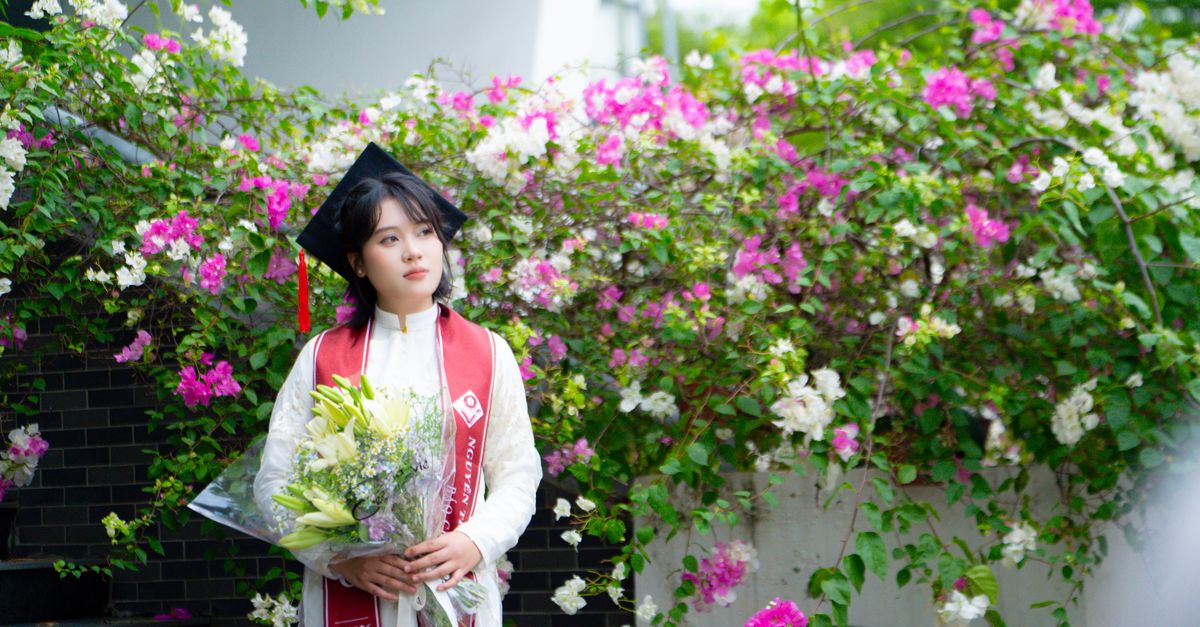
The challenge of turning a patch of lawn into an eye‑catching, low‑maintenance flower bed is common among homeowners who want to elevate their outdoor landscaping. It’s not just about picking pretty plants; it involves thoughtful design, soil health, proper fertilization, and ongoing care—including shrub and hedge trimming—to create a space that complements outdoor entertainment areas.
1. Planning Your Flower Bed: Site Selection & Design
When I first started designing a backyard garden for my own family’s patio, the biggest mistake was ignoring how the bed would fit into the overall outdoor landscaping. The same applies to anyone looking to add a flower bed.
Key considerations before you dig:
- Sun exposure: 6–8 hours of direct light for most flowering perennials.
- Drainage: Avoid low spots that hold water; consider a slight slope or French drain.
- Proximity to structures: Keep beds at least 12 feet from foundations to prevent root intrusion.
- Plant height and spread: Layer taller species behind shorter ones for depth.
- Pathway access: Design a clear walkway that doesn’t cut through the bed’s heart.
- Future entertainment use: Position beds to frame seating or fire pit areas.
Once these variables are mapped, sketch a simple layout on graph paper. I typically use a 1-inch grid to represent 2 feet in real life; this helps me visualize spacing and future maintenance zones.
Beyond the basic checklist, consider seasonal traffic patterns. If you anticipate heavy footfall during summer evenings, place the most ornamental beds near shaded pergolas or seating so guests can enjoy them without walking over fragile plants. Also, think about wind direction—position taller shrubs on the prevailing side to shield delicate perennials from gusts that could cause breakage.
For those who prefer a digital approach, free garden design tools allow you to import your yard’s dimensions and experiment with plant placement before committing any digging. This can save time and prevent costly layout mistakes.
When choosing plants for a low‑maintenance bed, consider species that thrive in the same conditions you’ve identified—sunny spots, well‑drained soil—and require minimal pruning. Drought‑tolerant varieties such as lavender or sedum not only reduce water usage but also provide year‑round texture.
2. Soil Preparation & Fertilization Services
Even the best design fails if the soil is poor. In my experience, fertilization services can make or break a flower bed’s long‑term health.
Steps to optimize your planting medium:
- Soil testing: Send a sample to a local lab; the report tells you pH and macro‑nutrient levels.
- Adjust pH: Lime for acidic soils, sulfur for alkaline ones. Aim for pH 6.0–7.0.
- Add organic matter: Mix compost or well‑rotted manure at a ratio of 1 part to 3 parts soil.
- Incorporate sand or fine grit if the soil is clay‑heavy to improve drainage.
- Apply a balanced starter fertilizer (10-10-10) before planting; follow up with slow‑release granules after establishment.
- Consider an integrated fertilization schedule: early spring, mid‑summer, and late summer for most perennials.
I’ve seen beds that were once a swamp of weeds thrive after a single round of comprehensive soil amendment. The key is consistency; skip the second application and you’ll see a decline in bloom intensity.
When working with sandy soils, be mindful that they drain quickly, which can lead to drought stress during hot months. A layer of shredded bark or leaf mold on top will help retain moisture without compromising aeration. Conversely, if your soil is heavy clay, adding a generous amount of compost and then covering it with mulch creates a softer root zone that encourages deeper growth.
Another practical tip: after you amend the soil, let it sit for a week before planting. This allows microbes to reestablish and reduces the risk of phytotoxicity from fresh amendments.
If you’re using compost from kitchen scraps or yard clippings, let it sit for at least three months to reduce phytotoxicity. Many homeowners use a worm bin; the resulting humus is a powerhouse of nutrients that feed roots for years.
3. Planting Techniques for Long‑Lasting Beds
The act of planting itself can either set your bed up for success or doom it to early failure. Below are practices that have stood the test of time.
Essential planting steps:
- Dig holes twice as wide and slightly deeper than root balls.
- Loosen surrounding soil gently; avoid compaction.
- Place plants at the same depth they grew in containers.
- Backfill with a mix of amended soil, leaving space for topsoil to settle.
- Water thoroughly after planting to eliminate air pockets.
- Apply mulch: 2–3 inches of organic material retains moisture and suppresses weeds.
When I installed a multi‑layered rose bed, I kept the mulch level consistent across all species. That simple uniformity reduced the need for re‑mulching every season.
For annuals or short-lived perennials that you plan to replace each year, consider using raised beds or berms. These structures allow you to build a rich topsoil layer that can be refreshed annually without disturbing neighboring perennial beds. Additionally, raised beds improve drainage in poorly drained soils and make winter maintenance easier.
Labeling is another often-overlooked step. Use biodegradable plant markers or simple chalkboards with the plant name and expected bloom time. This helps you quickly identify which plants need attention during busy seasons.
After you backfill and water, allow the soil to settle overnight. In spring, give the new plants a light misting for the first week to reduce transplant shock.
4. Ongoing Maintenance: Shrub & Hedge Trimming, Mulching
Maintenance is where many homeowners falter. Neglecting shrub and hedge trimming can spill over into the flower bed’s health.
Routine care checklist:
- Trim dead or crossing branches from shrubs twice a year to promote airflow.
- Shape hedges in late winter; avoid cutting during active growth periods.
- Re‑mulch every 2–3 years, replenishing organic content and nutrients.
- Inspect for pests early; use companion plants like marigolds to deter insects.
- Control invasive weeds with hand weeding or selective herbicides if necessary.
- Reapply fertilizer every 4–6 months based on plant response and soil test.
In my personal experience, setting a calendar reminder for each task keeps the workload manageable. A single missed trim can lead to overgrown roots that choke neighboring beds.
Beyond trimming, watering schedules vary by plant group. Deep, infrequent watering encourages deep root systems, while light, frequent misting works better for tropical or moisture-loving species. Using a rain sensor connected to an irrigation system ensures you never over‑water during a rainy spell.
Pest control is most effective when integrated with cultural practices. For example, rotating annuals each year reduces the buildup of pests that specialize on particular species. When problems arise, opt for organic treatments like neem oil or insecticidal soap before resorting to chemicals, preserving the ecological balance in your garden.
Choosing the right mulch type also influences aesthetics and function. Pine needles keep the bed cool in summer, while shredded bark adds texture and decomposes slowly, enriching soil as it breaks down.
5. Enhancing Outdoor Entertainment Spaces Around the Bed
A flower bed does more than look good; it frames your outdoor entertainment areas and creates focal points for gatherings.
Design ideas that marry beauty with function:
- Add a low stone path that weaves through the bed, guiding guests toward seating.
- Install subtle lighting: solar stake lights or lanterns to highlight blooms after dark.
- Place a fire pit or patio grill adjacent to the bed for natural heat and scent integration.
- Use taller shrubs as natural screens against neighbors or windbreaks.
- Incorporate water features like a small fountain; the sound calms and attracts pollinators.
- Set up a seating alcove with cushions that complement the color palette of the flowers.
The synergy between a well‑planned flower bed and an entertaining patio can transform a backyard into a personal oasis. When I added a pergola over a rose border, it became both shade and stage for dinner parties.
Consider seasonal layering: during spring, display bright annuals that attract bees; in summer, add taller ornamental grasses to create movement; fall brings warm‑toned perennials like asters that provide color after the heat has faded. By planning for each season, your bed remains vibrant throughout the year and serves as a backdrop to every gathering.
Lighting choices also influence ambiance. Low‑voltage LED fixtures embedded in stone steps not only guide guests but cast soft glows on blossoms, turning the space into an evening gallery. Pair this with hanging lanterns or string lights for a romantic feel during family dinners.
If your budget allows, plant a row of aromatic herbs like basil or thyme along the back edge; their scent mingles with the floral perfume, creating an olfactory invitation to guests.
The most critical takeaway: A successful flower bed starts with solid groundwork—soil testing, proper fertilization, and thoughtful design—and thrives through disciplined maintenance and integration with your outdoor entertainment spaces.In my experience, homeowners who treat the bed as a living extension of their patio rather than an isolated garden section see higher satisfaction and lower upkeep costs over time.
By combining thoughtful planning, soil stewardship, and attentive care, you can create a flower bed that not only beautifies your yard but also supports lively gatherings for years to come.
What’s one maintenance task you find most challenging in keeping your flower beds vibrant year after year?


