
How Do Landscape Planning Services Improve Outdoor Spaces for Businesses?
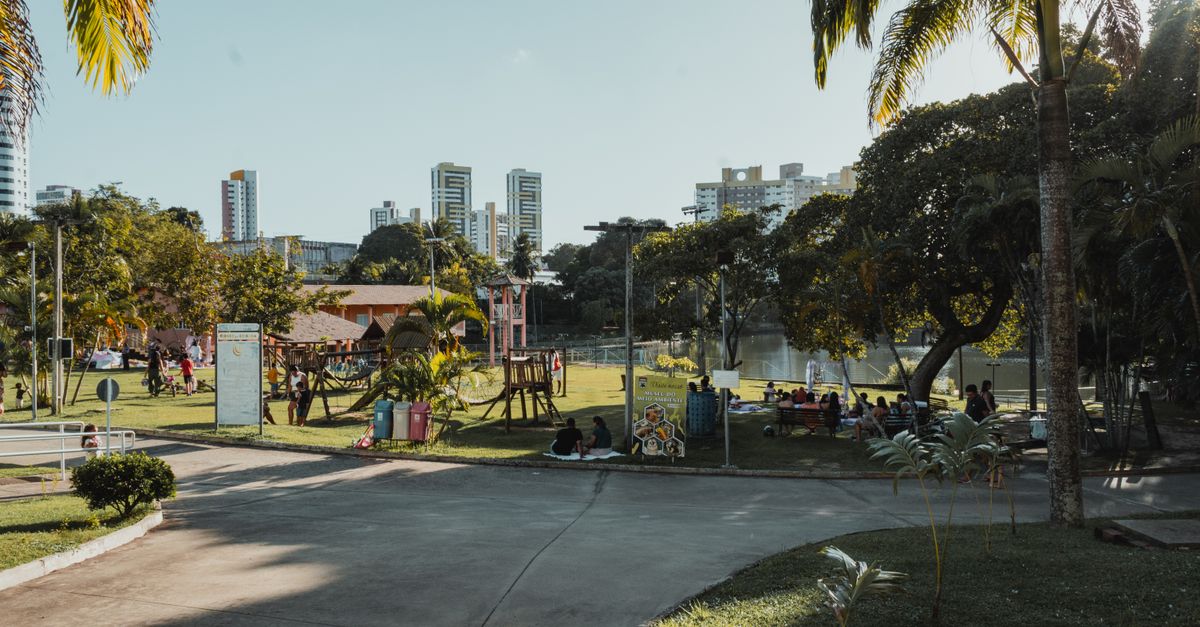
The outdoor area of a business is more than just grass and trees; it’s an extension of the brand, a marketing tool, and a space that can influence employee morale and customer perception. When you ask whether landscape planning services are worth the investment, the answer is clear: yes—if you want a functional, attractive, and low‑maintenance environment.
Understanding Landscape Planning Services
Landscape planning services encompass every step from initial assessment to final execution. They’re not just about planting flowers; they involve strategic design, engineering, and long‑term care plans that align with the business’s objectives.
One of the first tangible benefits of hiring a professional is the creation of a realistic project timeline. Typically, the process begins with a site visit that takes one to two weeks, followed by a comprehensive design phase lasting 4–6 weeks. Construction then unfolds over several months, depending on scale and seasonality. Finally, a maintenance schedule is drafted for ongoing care. This phased approach ensures that each stage receives focused attention and allows stakeholders to review progress before moving forward.
The Core Components
- Site Analysis: Evaluates topography, soil type, drainage patterns, existing vegetation, and sunlight exposure.
- Design Concept: Creates a visual layout that reflects brand identity while ensuring functional pathways, seating areas, and signage placement.
- Material Selection: Chooses durable paving, low‑maintenance plants, irrigation systems, and lighting that meet local regulations and budget constraints.
- Irrigation Planning: Designs a water‑efficient system—often smart drip or rainwater capture—to reduce long‑term operating costs.
- Maintenance Schedule: Provides a timeline for pruning, fertilizing, pest control, and seasonal clean‑ups, ensuring the space stays pristine.
Outdoor Space Planning for Businesses
A well‑planned outdoor area can be a powerful asset. It’s the first interaction many clients have with your brand, and it can encourage employees to spend time outdoors during breaks—boosting productivity and job satisfaction.
Beyond aesthetics, thoughtful design aligns with operational goals. For example, strategically placing seating near natural light sources not only creates inviting meeting spots but also reduces reliance on artificial lighting during daylight hours, saving energy. Similarly, incorporating subtle brand colors into paving patterns or signage helps reinforce corporate identity without overt advertising.
Key Objectives
- First Impression: A tidy, welcoming landscape signals professionalism.
- Employee Wellness: Green spaces reduce stress and foster collaboration.
- Client Engagement: Comfortable outdoor seating or event areas can host meetings or product demos.
- Sustainability Goals: Incorporating native plants and rain gardens aligns with eco‑friendly corporate policies.
- Safety Compliance: Proper lighting, clear walkways, and signage reduce accident risk.
Accessibility & Inclusive Design
- Ramps & Path Widths: Ensure all pathways meet ADA standards for width (minimum 36 inches) and slope (maximum 1:12).
- Surface Materials: Use non‑slip, textured surfaces in wet areas to prevent falls.
- Signage Visibility: Incorporate high-contrast colors and large fonts for easy readability by all visitors.
- Quiet Zones: Design secluded seating areas that offer respite from office noise and traffic.
Soil Testing and Preparation
Before planting or installing hardscapes, understanding the soil’s characteristics is critical. Poor soil can lead to plant failure, drainage issues, and costly repairs down the line.
Why Soil Matters
- Nutrient Levels: Determines which plants will thrive without excessive fertilization.
- Soil pH: Affects plant health; most commercial plants prefer a slightly acidic to neutral range (pH 6.0–7.5).
- Texture & Drainage: Clay soils retain water, while sandy soils drain quickly—each requiring different management.
- Contamination: Industrial sites may have heavy metals or hydrocarbons that must be remediated.
Testing Process
Professional landscapers typically collect core samples from multiple points across the site. These samples are sent to a certified lab where they’re analyzed for pH, organic matter, cation exchange capacity, and contaminant levels.
Interpreting Results and Acting on Them
- If soil pH is too low, lime is added to raise it.
- High clay content can be improved with organic matter or sand amendment.
- Presence of contaminants may require soil replacement or containment barriers.
- Based on the nutrient profile, a fertilization schedule is drafted to avoid over‑feeding.
Regular testing—once every two to three years—is advisable for commercial sites that experience heavy foot traffic or have ongoing construction. This proactive approach helps detect shifts in soil health before they manifest as plant stress, allowing timely interventions and preserving the integrity of the landscape.
Selecting Professional Landscaping Partners
Your choice of partner can make or break your project. Look beyond aesthetics; evaluate their technical expertise and ability to deliver within budget.
Key Credentials to Verify
- Licensing & Insurance: Protects you from liability and ensures compliance with local regulations.
- Portfolio of Commercial Projects: Demonstrates experience with business landscapes, not just residential gardens.
- Client References: Direct feedback on project delivery, communication, and after‑care support.
- Sustainability Certifications: LEED or local green building credentials indicate a commitment to eco‑friendly practices.
- Technical Capabilities: Ability to use CAD, GIS mapping, and advanced irrigation design software.
Cost Structure & ROI Expectations
Landscape projects are often split into phases: planning ($1–2k), construction ($5–15k depending on scale), and maintenance contracts (annual 10–20% of initial cost). Businesses frequently see a return on investment through increased foot traffic, higher employee retention, and lower utility bills.
When negotiating contracts, ask for a detailed scope of work that includes milestones, payment schedules tied to deliverables, and performance guarantees. A well‑written agreement protects both parties and ensures accountability throughout the project’s lifecycle.
Common Mistakes in Landscape Planning for Businesses
Even well‑meaning owners can make costly errors. Avoid these pitfalls to keep the project on track.
Top 5 Missteps
- Ignoring Drainage: Poor grading leads to water pooling, damaging foundations and creating slip hazards.
- Over‑designing: Complex layouts may be beautiful but difficult to maintain and costly.
- Neglecting Maintenance Planning: A stunning design that requires intensive upkeep can become a liability.
- Choosing Non‑Native Plants: These demand more water, fertilizer, and pest control.
- Underestimating Lighting Needs: Insufficient outdoor lighting reduces safety and usability after dark.
A common oversight is overwatering. When a landscape is irrigated without sensor feedback, roots can become oxygen‑deprived, leading to rot and costly plant replacement. Similarly, installing too many ornamental features—such as elaborate sculptures or water fountains—can inflate both construction costs and ongoing maintenance budgets.
Case Study: Revamping a Mid‑Size Office Campus
A tech startup with 120 employees spent $28,000 on landscape planning services. The project included:
- Site analysis revealing poor drainage; installation of a French drain system reduced standing water by 90%.
- Plant selection focused on drought‑tolerant natives; maintenance costs dropped 35% annually.
- A modular seating area that hosts informal meetings; employee engagement scores rose 12% over six months.
The original campus featured a flat, poorly graded lawn with scattered trees. After the redesign, the grounds now host a cohesive walkway system, shaded seating pods, and a rain garden that captures runoff for irrigation use. The startup reports a measurable boost in brand perception and a reduction in utility bills.
Lessons Learned
The client’s experience underscores three critical takeaways: first, professional planning identifies hidden site issues before construction; second, selecting resilient plantings directly impacts long‑term upkeep costs; third, designing flexible spaces that can double as meeting spots or relaxation zones enhances employee satisfaction without adding extra expense.
Tips to Maximize Value from Landscape Planning Services
Once the design is finalized, there are simple actions that amplify benefits.
- Integrate Smart Irrigation: Use soil moisture sensors and weather‑based controllers to cut water usage by up to 30%.
- Create Seasonal Themes: Rotate plantings or lighting fixtures each season to keep the space fresh without extra labor.
- Leverage Native Plants: They require fewer inputs and provide habitat for local pollinators.
- Document Maintenance Plans: Keep a log of pruning, fertilizing, and pest treatments; this data helps refine future projects.
- Engage Employees in Care: Host quarterly “green‑office” days where staff help with light maintenance—boosts ownership and reduces costs.
Additional practical steps include installing permeable pavers that allow rainwater infiltration, adding LED uplighting to highlight architectural features after dark, and incorporating a small green roof or vertical garden on an unused wall. These enhancements not only improve aesthetics but also contribute to energy savings and corporate sustainability goals.
The most critical factor is aligning the landscape plan with business goals, not just aesthetics. A well‑executed outdoor space can reduce operating costs, improve employee productivity, and enhance client perception. In my experience, a simple change like installing a rain barrel system on a commercial property saved the owner 18% in water bills within the first year.Now that you know how landscape planning services can transform your business’s outdoor space—and what to look for when hiring—what specific challenge are you facing with your current landscape?
Ask a practical question that invites useful discussion.


