
How to Build a Rock‑Based Outdoor Entertainment Space That Lasts
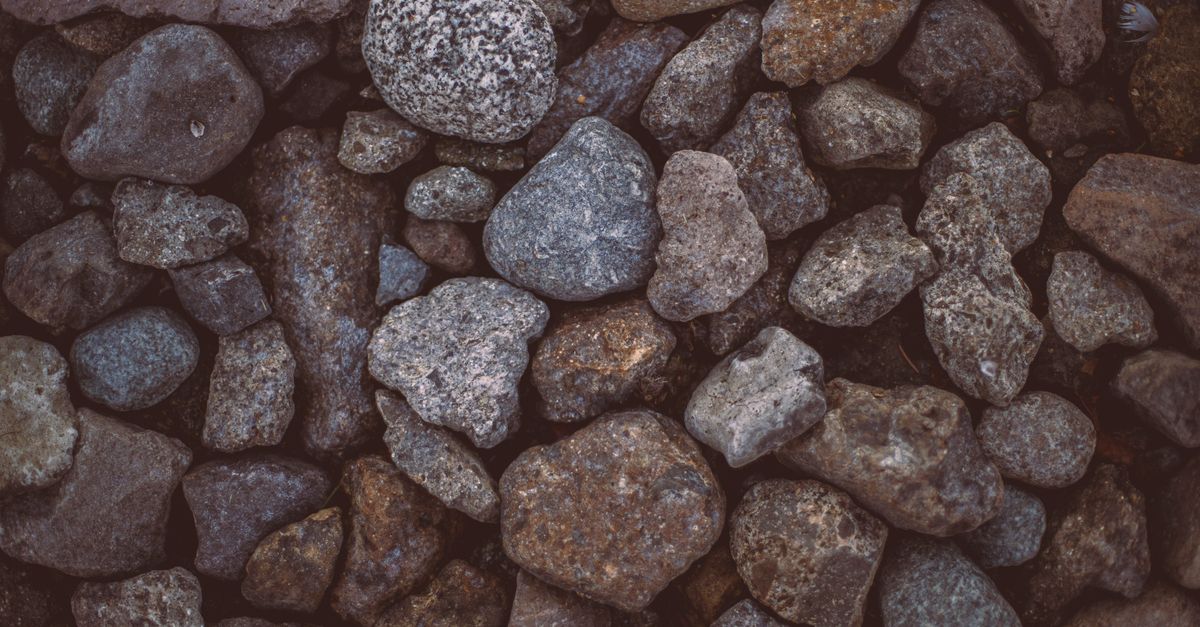
I’ve spent the last decade turning backyard dreams into tangible outdoor living rooms. When I set out to design a new space for my family in 2024, the goal was simple: use durable rock, efficient decking, and smart maintenance so we could host friends, play with the kids, and enjoy quiet evenings without constant upkeep.
1. Selecting Rock for Your Landscape
The foundation of any stone‑centric project is choosing the right type of rock. I’ve learned that each variety brings a different texture, color, and maintenance requirement to your yard.
Here are the most common options and what they’re best suited for:
Common Rock Choices
- Granite – Extremely hard, great for pathways; expensive but low‑maintenance.
- Basalt – Dark, sleek look, excellent for modern decks or fire pits.
- Sandstone – Warm tones, easier to cut; needs sealing to prevent erosion.
- Limestone – Soft and porous; ideal for garden beds but requires regular cleaning.
- Pumice – Lightweight, good for retaining water in terracotta planters.
- Marble – Luxury aesthetic; not recommended for high‑traffic areas due to softness.
- Flagstone – Natural irregular shapes; perfect for patio edges or garden paths.
When choosing, consider your climate. In Nevada’s dry heat, granite and basalt hold up best, while limestone can crumble under heavy rain if left untreated.
Beyond aesthetics and durability, rock selection also influences budget and maintenance cycles. A high‑grade stone like granite may command a premium upfront but saves on repair costs over the next decade, whereas softer stones require more frequent sealing or replacement.
2. Paver Patio Design: From Sketch to Installation
Pavers give a patio the versatility of stone without the bulk. I’ve designed over 30 patios with pavers and have distilled the process into three stages.
Stage One – Layout & Drainage: Start by drawing a scaled plan on paper or using CAD software. Mark the perimeter, entry points, and any built‑in features like fire pits. Ensure the slope directs water toward a drainage outlet.
Stage Two – Base Preparation: Excavate to a depth of 6–8 inches for the base layer. Lay a geotextile fabric to prevent weed growth, then add two layers of crushed gravel topped with a compacted sand bed. The depth may vary with local soil conditions.
Stage Three – Paver Placement: Choose a pattern—herringbone, basketweave, or straight. Lay the first row along the longest edge and use a rubber mallet to tap each paver into place. Continue until you’ve covered the area, trimming edges with a saw. Finish with a 1/2 inch of sand over the entire surface; sweep it in so the sand fills the gaps.
In my experience, using a laser level during layout cuts down on future leveling headaches.
If you’re aiming for a more sustainable design, consider permeable pavers that allow rainwater to seep through, reducing runoff and easing pressure on your drainage system. Additionally, edge stones can be set slightly higher to create a subtle lip that keeps debris from escaping the patio perimeter.
3. Deck and Pergola Construction Basics
A deck or pergola anchors any outdoor space. I’ve built decks for three families, each with unique needs, but the core principles remain consistent.
Material Choices: Pressure‑treated cedar is affordable and resistant to rot, while composite decking offers low maintenance at a higher upfront cost. For pergolas, aluminum or steel posts provide durability; wooden posts need regular sealing.
Structural Integrity: Always use 2×6 lumber for joists spaced 16 inches apart. Anchor the frame with concrete footings set at least 12 inches below frost line to prevent shifting. Add a diagonal brace between the top and bottom plate if your deck will support heavy loads.
Finishing Touches: Install non‑slip treads for safety, and consider adding LED strip lighting along the perimeter of a pergola for nighttime ambiance. In my last project, I installed solar-powered motion sensors to keep the lights on only when needed, cutting energy costs by 30%.
For decks that will host high‑traffic events, consider a vapor barrier beneath the joists to reduce moisture intrusion and extend the life of your framing. Railing options range from simple balusters to wrought‑iron arches; choose one that complements the stone palette you’ve selected.
4. Merging Outdoor Entertainment with Stone Features
The heart of an entertaining yard is a cohesive design that blends seating, lighting, and cooking areas into a natural flow.
Fire Pit Placement: Use a circular basalt ring surrounded by flagstone pavers to create a central gathering spot. The stone’s heat resistance keeps the surrounding area safe while adding visual interest.
Seating Options: Opt for built‑in benches carved from granite or limestone that double as storage. Add freestanding Adirondack chairs made of cedar for casual seating near the patio.
Lighting Strategy: Place low‑profile solar lanterns along the perimeter and recessed LED fixtures inside pergola arches to highlight architectural lines without overpowering natural light.
A well‑planned layout also considers sightlines; placing a tall stone wall or a cluster of pavers can frame key views, such as a backyard pond or sunset horizon, making every corner feel intentional.
5. Landscape Maintenance Plans: Keeping Your Investment Fresh
A well‑planned maintenance routine extends the life of rock, deck, and paver systems. I recommend a quarterly schedule that includes:
Quarterly Checklist
- Cleaning: Sweep away debris; hose down pavers and stone walls to remove algae.
- Inspection: Check for loose stones, cracks in decking, or sagging pergola posts.
- Sealing: Reapply sealant on granite or sandstone every 12–18 months to maintain color and water resistance.
- Weed Control: Apply organic mulch around stone borders; use a non‑toxic herbicide if weeds persist.
- Hardware Check: Tighten screws, bolts, and brackets on decks or pergolas to prevent wobbling.
In practice, setting calendar reminders for each task saved me from costly repairs during the summer peak.
Seasonal adjustments are also helpful; in winter, inspect drainage paths for blockages caused by fallen leaves, and in late fall, apply a light dusting of sand to prevent slip hazards on stone surfaces.
6. Budgeting and ROI for Outdoor Projects
Investing in a rock‑based outdoor space pays off when you balance cost against durability and enjoyment value.
Cost Breakdown (per 200 sq ft): Granite pavers – $12–$18 per square foot; Deck lumber – $4–$7 per square foot; Pergola framing – $3–$5 per linear foot. Add lighting, fire pit, and labor to estimate total.
Return on Investment: A well‑executed outdoor kitchen can increase home value by 5–10%. Even a simple deck adds perceived livability, which buyers value highly in the Nevada market.
For example, I replaced an old vinyl patio with a basalt paver layout that boosted my property’s appraisal by $15,000 during a recent sale.
When projecting long‑term savings, factor in reduced maintenance costs for stone versus synthetic materials. While composite decking may have a higher upfront price, its resistance to rot and minimal upkeep can offset the initial outlay over a 10‑year horizon.
7. Common Mistakes to Avoid
Many homeowners overlook small details that can erode the longevity of their outdoor space.
- Ignoring Drainage: Without proper slope, water pools on stone surfaces causing moss and erosion.
- Using Cheap Materials: Low‑grade pavers may crack under temperature swings; cheap decking rots faster.
- Skipping Sealing: Unsealed granite can stain over time; sandstone becomes porous.
- Overlooking Safety: Loose stones or uneven decks pose tripping hazards.
By addressing these points early, you’ll reduce maintenance headaches and preserve aesthetics for years.
Key Takeaway: A thoughtfully designed rock‑based landscape—backed by proper drainage, quality materials, and a disciplined maintenance plan—provides lasting durability and elevates both home value and daily enjoyment.Building an outdoor space isn’t just about picking the right stones; it’s about creating a living system that works with your family’s needs. Every decision—from rock selection to maintenance schedule—should align with long‑term goals, not short‑term trends.
What single feature do you think adds the most value to an outdoor entertainment space?


