
How to Choose Between Landscape Design Consultation and Lawn Care Services
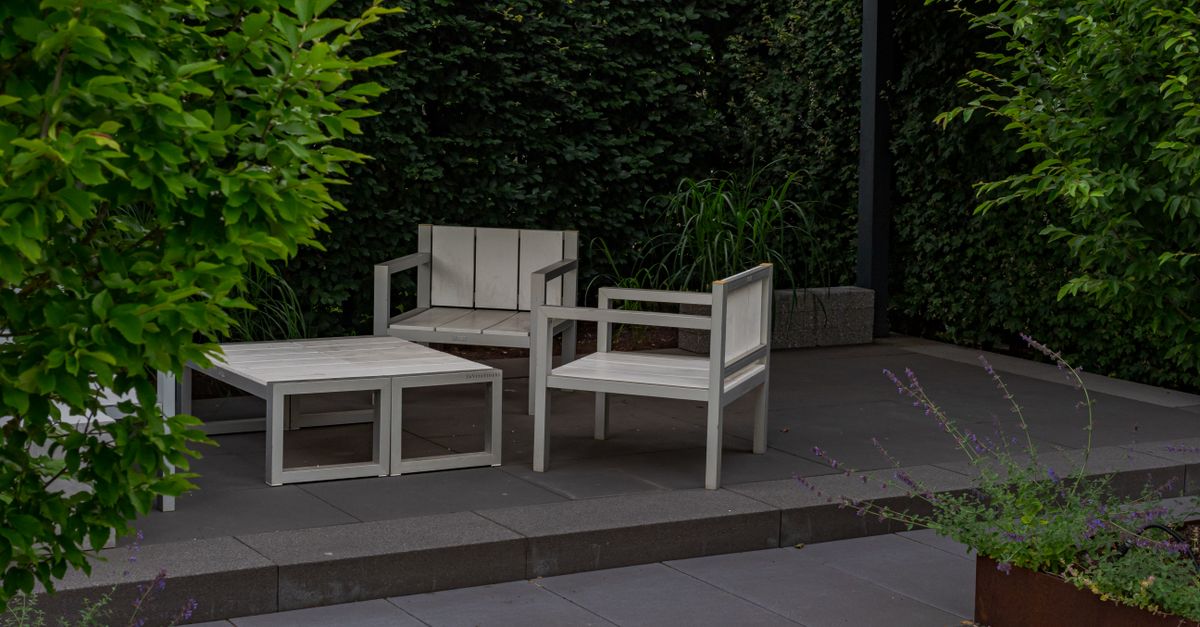
When I look out over the backyard after a long week, I think about two questions: “Do I need a fresh design that transforms my space?” or “Am I just trying to keep what I already have healthy and tidy?” The answer drives whether I hire a landscape design consultant or simply a lawn care service. Both play vital roles in property beautification, but they differ in scope, cost, and long‑term impact. Below is a practical breakdown that will help you decide which option—or combination—fits your needs.
Understanding the Basics
I’ve spent years building systems for businesses, and the same principle applies here: define what you’re buying before you buy it. A landscape design consultation is a strategic service that focuses on vision, layout, plant selection, hardscaping, irrigation planning, and sometimes construction supervision. The consultant comes up with a plan that aligns with your goals—whether it's creating a low‑maintenance oasis or an entertaining backyard.
A lawn care service, by contrast, is hands‑on maintenance: mowing, fertilizing, aerating, pest control, and seasonal clean‑ups. It’s the equivalent of a fitness trainer who shows you how to keep your body in shape every day rather than designing a new workout program.
Both services are essential for a healthy yard, but they operate at different time scales: design is a one‑time (or occasional) investment; lawn care is ongoing. The key is figuring out where your priorities lie.
When to Opt for Landscape Design Consultation
Scenarios That Call for Professional Planning
In my experience, the biggest sign you need a design consultant is when you’re planning a major change—like adding a patio, installing a pool, or regrading your slope.
- New Construction or Renovation: If you’re building a new home or doing a major remodel, a design plan ensures every element fits together.
- High‑Value Properties: Luxury homes often require bespoke layouts that increase curb appeal and market value.
- Unique Challenges: Steep slopes, poor soil, or limited space demand creative solutions only a consultant can provide.
- Future Expansion: Planning for future additions—like a greenhouse or tiny house—requires foresight.
If your yard is currently functional but you want to elevate it, a landscape design consultation gives you a roadmap. It also helps streamline subsequent lawn care by defining plant zones and irrigation systems that reduce maintenance effort.
When to Choose Lawn Care Services
Maintenance‑Focused Needs
If the yard is already laid out but needs regular upkeep, a lawn care service is your go-to. Look for these situations:
- Seasonal Wear and Tear: Grass that turns brown in winter or weeds that spike in spring.
- Lack of Time: Busy schedules mean you can’t devote daily hours to mowing and fertilizing.
- Pest or Disease Outbreaks: Quick response is critical to prevent spread.
- Water Management: Professionals adjust irrigation schedules based on weather and plant needs.
Lawn care services are often subscription‑based, offering predictable costs that fit into a monthly budget. They’re also ideal if you already have a design plan but need someone to execute it consistently.
Combining Both: An Integrated Approach
In practice, most homeowners benefit from a hybrid model. I’ve seen this work best when the consultant sets up the landscape and installs irrigation, then a lawn care crew maintains it. This approach creates synergy:
- Design + Installation: The consultant’s plan is turned into reality by skilled installers.
- Maintenance Plan: A lawn care service follows the designer’s plant zones, watering schedules, and seasonal tasks.
- Long‑Term Value: Proper design reduces future maintenance costs.
If you’re uncertain which path to take first, start with a brief consultation to assess your yard’s condition. Many firms offer a “scoping” session that can guide your decision without committing to full service.
Seasonal Planning and Climate Considerations
Designing for the seasons is as important as choosing the right plants. A consultant will assess local climate data, sun exposure patterns, and typical rainfall to recommend species that thrive year‑round or offer seasonal color bursts. For example, drought‑tolerant succulents can be paired with moisture‑loving ferns in a transitional zone where water runs off a patio roof. Irrigation schedules are also tailored—winter periods may call for reduced watering frequency, while springtime often needs more frequent, lighter applications to support new growth.
When you later hand the yard over to a lawn care provider, they can adjust fertilization regimes based on seasonal nutrient demands. This layered approach ensures that your landscape remains resilient throughout the year and that maintenance staff are working with clear, climate‑appropriate guidelines.
Cost Considerations
Understanding the financial side helps avoid surprises and ensures you’re getting value for money.
- Landscape Design Consultation: Typical fees range from $500 to $3,000+ depending on property size and complexity. Some consultants charge a flat rate; others bill hourly (often $75–$150 per hour).
- Lawn Care Services: Monthly costs usually fall between $80 and $250, factoring in mowing, fertilizing, pest control, and seasonal clean‑ups. Larger properties or those with complex irrigation can push the price higher.
- Installation Fees: If you hire a separate contractor for hardscaping, planting, or irrigation installation, expect an additional $2–$5 per square foot, depending on materials.
- Maintenance Contracts: Many lawn care companies offer tiered plans (basic mowing vs. full-service). Choose the one that matches your yard’s needs.
I’ve seen homeowners overpay by skipping a design phase and ending up with poorly spaced plants that require extra maintenance. Investing upfront in a solid plan can save money down the road. For instance, a well‑placed irrigation system can reduce water bills by 20% while keeping plant health optimal.
Common Mistakes to Avoid
Top Five Pitfalls
- Skipping Soil Testing: Without testing, you’ll choose plants that fail or overwatered zones.
- Ignoring Drainage: Poor drainage leads to standing water and root rot—both costly to fix.
- Over‑Planning: A design that’s too elaborate can be hard to maintain. Simplicity often wins.
- Choosing the Cheapest Service: Low price may mean low quality materials or inexperienced staff.
- Neglecting a Maintenance Plan: Even the best design crumbles without regular upkeep.
By avoiding these errors, you’ll keep your property thriving and reduce long‑term headaches.
How to Evaluate Providers
Finding the right team is as critical as choosing between services. Use this checklist:
- Licensing & Insurance: Verify that contractors hold state licenses and carry liability insurance.
- Portfolio Review: Look for projects similar in size and style to yours.
- References & Reviews: Ask for client testimonials or check online ratings.
- Transparency: Request detailed quotes that break down labor, materials, and travel costs.
- Communication: A good provider keeps you updated on timelines and changes.
When interviewing a design consultant, ask about their process: Do they use CAD? How do they handle plant selection for your climate zone? For lawn care services, inquire about fertilization schedules and pest control protocols. The clarity of answers often reflects the professionalism of the entire team.
DIY vs Professional: When to Take the Wheel
I’ve spent countless hours in my own backyard learning what works. If you’re a DIY enthusiast with time and skill, you can handle basic mowing and seasonal clean‑ups yourself. However, design work—especially complex irrigation or hardscaping—requires professional expertise. The trade‑off is clear: DIY saves money but demands more effort; professionals ensure quality but cost more.
Consider the following before going solo:
- Tool Availability: Do you have a mower, edger, and fertilizer applicator?
- Time Commitment: Can you dedicate at least an hour every week during peak seasons?
- Learning Curve: Are you comfortable reading soil test reports or installing irrigation lines?
If the answer is “yes” to all, DIY might be viable. If not, hiring professionals is a smarter investment.
Quick Decision Guide
Below is a simple flowchart in text form to help you decide:
- Do you have a clear vision for your yard’s layout?
- Yes → Consider a landscape design consultation.
- No → Start with a lawn care service to maintain the current state. - Aren’t you planning major changes (hardscaping, irrigation)?
- Yes → Design + installation is essential.
- No → Focus on maintenance services. - Do you have time for regular mowing and fertilizing?
- Yes → DIY or a basic lawn care plan.
- No → Hire a comprehensive lawn care service.
This guide isn’t exhaustive, but it sets a baseline that most homeowners find useful.
Key Takeaway: A well‑planned landscape design reduces long‑term maintenance costs and enhances curb appeal, while regular lawn care keeps your yard healthy and inviting. The optimal strategy blends both services based on your goals, budget, and time availability.In my experience, the biggest mistake homeowners make is treating these services as separate silos instead of parts of an integrated system. When I first worked with a design consultant who also managed irrigation installation, I saw the difference in maintenance workload the following year—my lawn was greener, and I spent 30% less time on upkeep.
What’s your biggest yard challenge: layout vision or daily maintenance?


