
How to Choose the Right Exterior Property Enhancements for a Family Home?
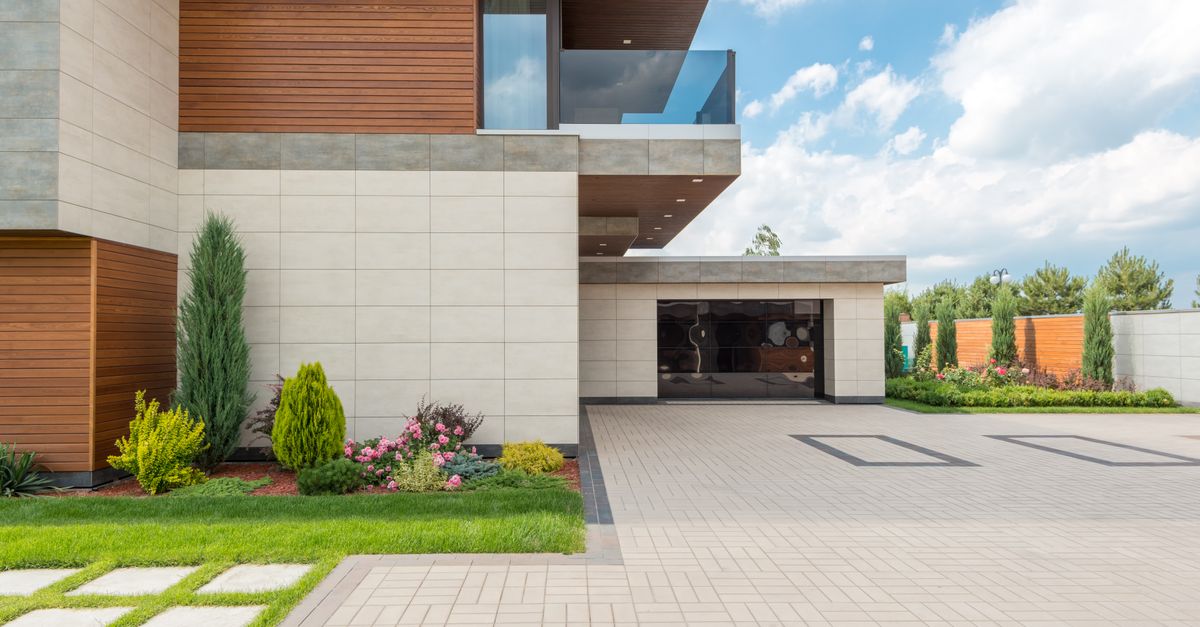
When you’re looking to boost curb appeal and create functional outdoor spaces, it’s not just about picking the latest trend. You need a plan that balances aesthetics, durability, cost, and long‑term maintenance. This guide walks through the essential steps—from assessing your property’s needs to selecting professional garden services, installing decor, controlling weeds, designing a paver patio, and budgeting for maximum return.
1. Assessing Your Property Needs
Your home’s layout, existing vegetation, soil type, and local climate dictate what enhancements will work best. Start by mapping out the areas you want to transform: front yard, backyard, walkways, or a patio zone. Note exposure to sun, wind patterns, and drainage issues. This baseline helps you avoid costly mistakes later.
Checklist for Initial Assessment
- Measure square footage of target zones.
- Identify sun/shade distribution.
- Check soil pH and drainage.
- Note existing structures (fences, sheds).
- Consider family activity patterns.
- Evaluate privacy needs from neighbors or roadways.
Additionally, evaluate any underground utilities, such as water lines or septic systems, to prevent future disruptions. Take advantage of free online mapping tools or a simple sketch on graph paper to visualize how each zone will interact with the others. When you have a clear picture, you can make informed decisions about plant placement, hardscape sizing, and lighting placement that reflect both your lifestyle and budget.
2. Choosing Professional Garden Services
Hiring a pro brings expertise in plant selection, irrigation, and sustainable practices. Look for credentials—certification from the American Society of Landscape Architects (ASLA) or local horticultural societies—and a portfolio that matches your style goals.
Questions to Ask Potential Contractors
- Do you provide design plans or just installation?
- What is your experience with low‑maintenance landscapes?
- Can you integrate irrigation and drainage solutions?
- How do you handle weed control post‑installation?
- What warranties do you offer on plants and hardscapes?
- Are you licensed, insured, and bonded in this state?
Ask for a written proposal that includes a detailed scope of work, material specifications, a phased payment schedule, and clear milestones. A reputable contractor will also provide references from recent projects—take the time to review them or speak directly with former clients about their satisfaction.
3. Garden Decor Installation Ideas
Deco elements—planters, lighting, sculptures, and water features—add personality without compromising functionality. Prioritize materials that withstand local weather: stainless steel, stone, or treated wood for outdoor fixtures.
Popular Decorative Elements
- Raised planter boxes with native plants.
- Solar‑powered LED pathway lights.
- Low‑maintenance rock gardens.
- Vertical green walls for small spaces.
- Water fountains that double as bird feeders.
When installing decor, keep the scale proportionate to your yard size; oversized pieces can overwhelm a smaller space. For example, a 6‑foot sculpture looks balanced in a 1,200‑square‑foot lot but may dominate a 400‑square‑foot front porch. Also think about seasonal visibility—choose plants that offer color or texture throughout the year so your decor remains engaging beyond the summer months.
Layering planters with mulch and selecting complementary colors can create depth and visual harmony. For instance, pairing a muted terracotta planter with lush green foliage gives a subtle contrast that feels intentional rather than random.
4. Effective Weed Control Strategies
Weeds compete with desirable plants for nutrients and water. A layered approach—mulch, pre‑emergent herbicides, and manual removal—delivers lasting results without excessive chemical use.
Step‑by‑Step Weed Management
- Apply a biodegradable mulch layer (2–3 inches).
- Use a non‑selective pre‑emergent in early spring.
- Spot‑treat perennial weeds with a selective herbicide.
- Pull stubborn weeds by hand or use a weeding tool.
- Reapply mulch annually to maintain barrier.
The key is consistency; skipping a season can lead to a weed takeover that costs more time and money later. For an eco‑friendly option, consider planting dense groundcovers such as creeping thyme or sedum that suppress weeds naturally while providing a low‑maintenance lawn alternative.
Timing your pre‑emergent application before weed seeds germinate—typically in early March—prevents many common summer weeds from establishing, giving you a head start on maintenance.
5. Paver Patio Design Principles
A well‑designed patio extends living space and enhances visual appeal. Start with the layout—rectangular, L‑shaped, or freeform—and choose pavers that complement your home’s architecture.
Paver Selection Tips
- Opt for non‑slip surfaces if you have children or pets.
- Consider recycled glass pavers for eco‑friendly options.
- Use contrasting colors sparingly to highlight focal points.
- Choose a thickness of at least 2 inches for heavy foot traffic.
- Ensure proper edge restraint and base grading for drainage.
In my experience, layering a compacted gravel base under the pavers reduces settlement and extends lifespan. When you design your patio, sketch a simple diagram: mark the proposed dimensions, indicate the slope (ideally 1‑2% away from structures), and overlay any planned lighting or seating areas. This visual aid makes it easier for contractors to translate your vision into concrete work.
Permeable pavers allow rainwater to seep through the surface, reducing runoff and helping recharge groundwater—a feature that is increasingly valued in many municipalities.
6. Budgeting and Return on Investment (ROI)
Exterior enhancements can increase property value by 5–10% in most markets, but costs vary widely based on scope. Create a detailed budget that includes design fees, labor, materials, permits, and contingency—typically 10–15% of total project cost.
Cost Breakdown Example
- Design & Permits – $1,500
- Landscape Installation – $8,000
- Paver Patio (300 sq ft) – $5,000
- Decor & Lighting – $2,500
- Weed Control & Mulch – $1,200
- Contingency (10%) – $2,320
- Total – $20,520
Track expenses in a spreadsheet and review quarterly to stay on target. When asking for quotes, request itemized costs so you can compare like‑for‑like services across multiple firms. Consider phased implementation—starting with the most visible front yard improvements before moving to interior gardens—to spread out payments while still reaping early curb‑appeal gains.
Financing options such as home improvement loans or credit lines can ease cash flow, and in some regions there are tax credits for sustainable landscaping that incorporate native plants or water‑wise irrigation systems.
7. Maintenance Plan for Long‑Term Success
A structured maintenance routine keeps your investment looking sharp. Divide tasks into daily, weekly, monthly, and seasonal categories.
Maintenance Schedule Overview
- Daily – Water irrigation system check.
- Weekly – Inspect paver seams for debris.
- Monthly – Trim overgrown plants and clean lights.
- Seasonal – Reapply mulch, apply fertilizers, and perform weed sweeps.
In my experience, assigning specific tasks to family members—like having Zachary handle seasonal pruning—creates accountability and reduces deferred maintenance costs. Keep a simple log: note the date, task completed, and any observations; this record will help you spot trends (e.g., which beds need more drainage) before they become problems.
During winter, protect mulch layers by adding a thick cover of straw to prevent compaction from snow melt, and shut off irrigation systems to avoid freeze damage. These small steps preserve the integrity of your landscape for years to come.
8. Conclusion: Turning Vision into Reality
Exterior property enhancements are an investment in both beauty and functionality. By carefully assessing needs, hiring qualified professionals, selecting durable decor, managing weeds, designing a thoughtful paver patio, budgeting smartly, and maintaining rigorously, you create outdoor spaces that serve your family now and for years to come.
Choosing native plants not only reduces water consumption but also supports local wildlife, making your garden both sustainable and welcoming. When the work is done, the payoff is a home that looks better, feels more comfortable, and retains its value in an increasingly competitive market.
Key takeaway: A structured plan—starting with assessment and ending with maintenance—ensures that every dollar spent on exterior enhancements delivers maximum value and lasting appeal. What is one challenge you anticipate when integrating new garden decor into your existing landscape, and how might you address it?


