
How to Plan and Execute a Year‑Round Yard Upgrade: From Lawn Reseeding to Garden Design
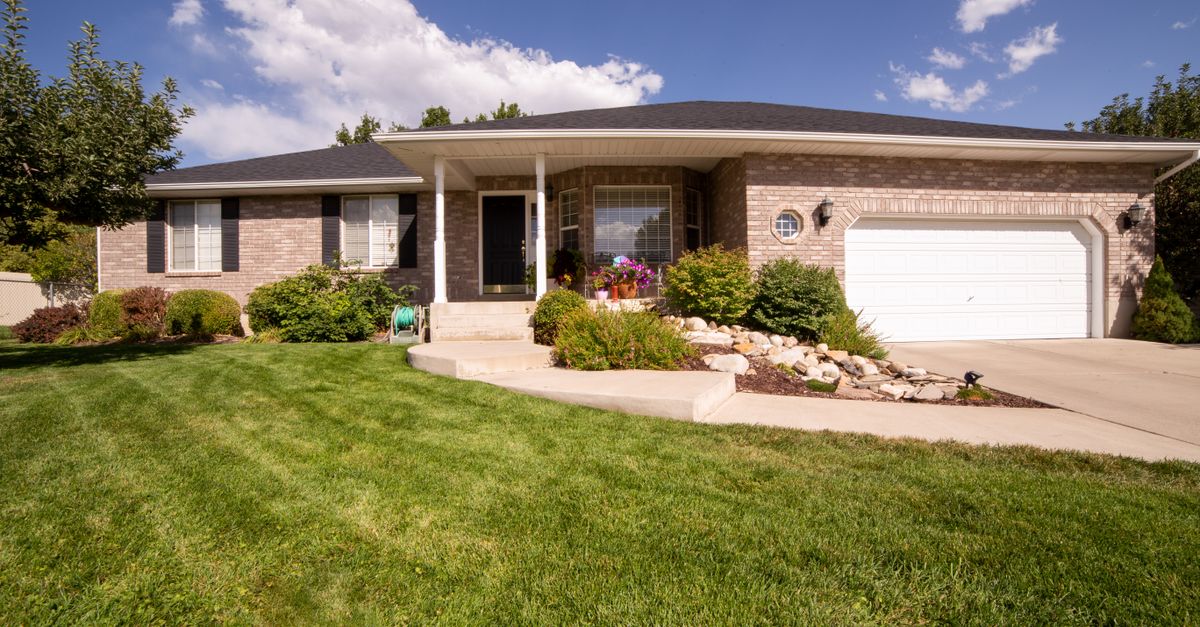
When summer ends and fall begins many homeowners wonder what to do next with their yard. Whether replacing a patchy lawn or hiring a garden design expert, a clear plan saves time, money, and frustration. This roadmap covers every stage—from assessment to maintenance—so you keep curb appeal at peak performance all year.
1. Assess Your Yard Before You Commit
Jumping straight into services often wastes resources. Start with a systematic evaluation:
Checklist for Yard Assessment
- Soil Condition: Test pH, texture, drainage.
- Sunlight Exposure: Map full sun, partial shade, deep shade zones.
- Existing Plant Health: Identify stressed or diseased areas.
- Water Source & Irrigation: Confirm supply lines, sprinkler efficiency, leaks.
- Hardscape Features: Note patios, walkways, retaining walls that may need repair.
Documenting these facts gives you a baseline for choosing the right customized yard services. For instance, if soil pH is low, you’ll need a fertilization plan before reseeding.
Use a DIY kit or send a sample to an extension lab. A pH of 6.0–7.0 suits most grasses; below 5.5 inhibits root growth, above 8.0 hinders nutrient uptake. For infiltration, dig a small hole and time how long it takes to fill—any delay signals poor drainage that must be fixed before planting.
Look for discolored leaves, stunted growth, or fungal patches. These clues help decide whether professional diagnosis is needed or targeted treatment will suffice. A thorough audit also reveals opportunities for strategic placement—shade‑tolerant species under trees and sun-loving succulents in exposed corners reduce future maintenance.
2. Selecting Customized Yard Services That Fit Your Goals
The term “customized yard services” covers everything from routine mowing to specialized treatments. Align the service mix with your long‑term vision—whether that’s a low‑maintenance lawn or an edible garden.
Key Service Types to Consider
- Mowing & Edging: Frequency varies by grass type and season.
- Fertilization & Soil Amendments: Tailored to soil test results.
- Pest & Weed Control: Integrated pest management reduces chemicals.
- Irrigation Management: Smart controllers cut water waste.
- Landscape Installation: New plants, borders, or hardscapes.
Ask for a proposal listing each service, its cost, and expected impact. Transparency prevents surprise bills.
Bundle seasonal tasks—e.g., combine aeration with fertilization or pruning with mulch—to lower costs. Firms often offer seasonal packages that spread labor across multiple jobs. For drought‑tolerant yards, request a xeriscaping package with native plants and drip irrigation.
3. Lawn Reseeding: Timing, Technique, and Troubleshooting
Lawn reseeding can breathe new life into an uneven or worn lawn. The process involves three core steps: preparation, seeding, and post‑plant care.
Step 1 – Preparation (Week 1)
- Remove weeds with a selective herbicide or pull manually.
- Rake soil to loosen the top layer; aim for 2–3 inches depth.
- Spread a thin layer of compost or topsoil to improve fertility.
Step 2 – Seeding (Week 1)
- Select seed mix suited to your climate and lawn use—cool‑season vs. warm‑season grasses.
- Sow at recommended density; use a spreader for even coverage.
- Mow lightly, then walk over to press seed into soil.
Step 3 – Post‑Plant Care (Weeks 2–6)
- Water daily until germination; reduce frequency as roots establish.
- Apply a starter fertilizer high in phosphorus for root growth.
- Avoid heavy foot traffic; consider temporary fencing if needed.
The critical insight: reseeding is most successful when done during the lawn’s natural growing season—late summer to early fall for cool‑season grasses, spring for warm‑season varieties.
In the first week aim for 1/4 inch of water per day. After seedlings emerge (typically within 10–14 days), reduce to every other day while keeping surface moisture. By week four shift to a deeper soak once a week, encouraging deep root growth and drought resilience.
If your soil is heavy clay or sandy, mix in organic matter—such as shredded leaves or peat moss—to improve structure and water retention. Adjust pH with lime (for acidic soils) or sulfur (for alkaline soils) at least a month before seeding to allow changes to take effect.
4. Year‑Round Landscaping Services: A Seasonal Calendar
Exterior home improvement requires ongoing attention. Below is a simplified seasonal schedule that aligns with typical landscaping needs in 2026:
Spring (March–May)
- Prune dormant trees and shrubs.
- Apply pre‑plant fertilizer to new beds.
- Inspect irrigation for winter damage.
- Aerate lawns after heavy snowfall.
Summer (June–August)
- Adjust mowing height to reduce stress on grass.
- Schedule pest inspections; apply treatments if necessary.
- Implement drip irrigation in vegetable gardens.
- Replace worn mulch with fresh organic material.
Fall (September–November)
- Rake leaves, mulch beds, and add compost.
- Reseed lawns for the next growing season.
- Apply winterizer fertilizer to trees.
- Clean up fallen fruit or dead plant material.
Winter (December–February)
- Protect fragile plants with frost cloths.
- Plan garden layout; order seeds early.
- Maintain hardscapes—clean driveways, walkways.
- Check for ice damage on irrigation lines and repair as needed.
This calendar keeps your yard healthy and reduces the likelihood of emergency repairs. If you’re working with a landscaping firm, ask them to incorporate these tasks into their annual contract.
5. Working with Garden Design Experts: What to Expect
A garden design expert brings aesthetic vision and horticultural knowledge. Their process typically follows three phases:
- Consultation & Site Analysis: They’ll assess light, soil, water flow, and existing plant health.
- Concept Development: You receive a mood board, plant list, and layout sketches.
- Installation & Maintenance Plan: The expert oversees construction and provides ongoing care instructions.
Verify an expert’s portfolio for projects similar to yours—size, style, budget. Ask about seed sourcing: organic vs. conventional; local suppliers reduce transport emissions and support the community. Many designers incorporate sustainability metrics such as rainwater barrels or composting stations that feed back into the garden.
During installation expect a clear timeline with milestones—soil prep, hardscape installation, planting, final grading. A well‑designed garden layers tall perennials in the background, mid‑height ornamental grasses, and low groundcovers at the front to create depth while keeping maintenance manageable.
6. Common Mistakes in Exterior Home Improvement Projects
Even seasoned homeowners fall into pitfalls that undermine yard quality:
- Ignoring Soil Tests: Misaligned pH can kill healthy grass.
- Over‑fertilizing: Excess nitrogen leads to rapid growth but weak roots.
- Neglecting Drainage: Poor drainage invites root rot and erosion.
- Choosing the Wrong Plant Mix for Climate: Exotic plants may survive but not thrive.
- Skipping Mulch Application: Without mulch, weeds flourish and soil moisture evaporates quickly.
A frequent oversight is assuming a single fertilizer application suffices. Most lawns benefit from a split schedule—starter in early spring followed by a balanced feed in late summer—to support both root development and above‑ground vigor.
7. Cost Breakdown & Budget Tips
Understanding where money goes helps you avoid surprise expenses. Below is a rough estimate based on average 2026 pricing:
- Lawn Reseeding: $0.50–$1.00 per square foot (seed, labor).
- Mowing & Edging: $30–$60 per visit.
- Fertilization & Weed Control: $200–$400 annually.
- Irrigation Install/Upgrade: $3,000–$5,000 for a full system.
- Garden Design Services: $1,500–$4,000 per project.
Bundle services—many firms offer seasonal packages that lower overall cost. DIY tasks like leaf removal or basic mowing offset professional fees. If you’re eyeing a high‑end irrigation system, negotiate payment terms that include a warranty for leaks and controller malfunctions. Some municipalities provide rebates for installing smart controllers that detect moisture levels and adjust watering schedules automatically—an investment that pays off in water savings over time.
When I hired a landscaper for reseeding, missing the fall window by two weeks caused weak establishment and an extra month of watering. That taught me to schedule critical tasks well in advance. Adding a drip irrigation system to my vegetable beds, I installed lines myself but missed leaks. The hidden leak wasted 30 % of the water bill; a quick pro check fixed it, saving money and plant stress. What’s your biggest challenge when coordinating multiple yard services—timing, budget, or choosing the right specialist?


