
Should I invest in a drought‑tolerant landscape for my new home?
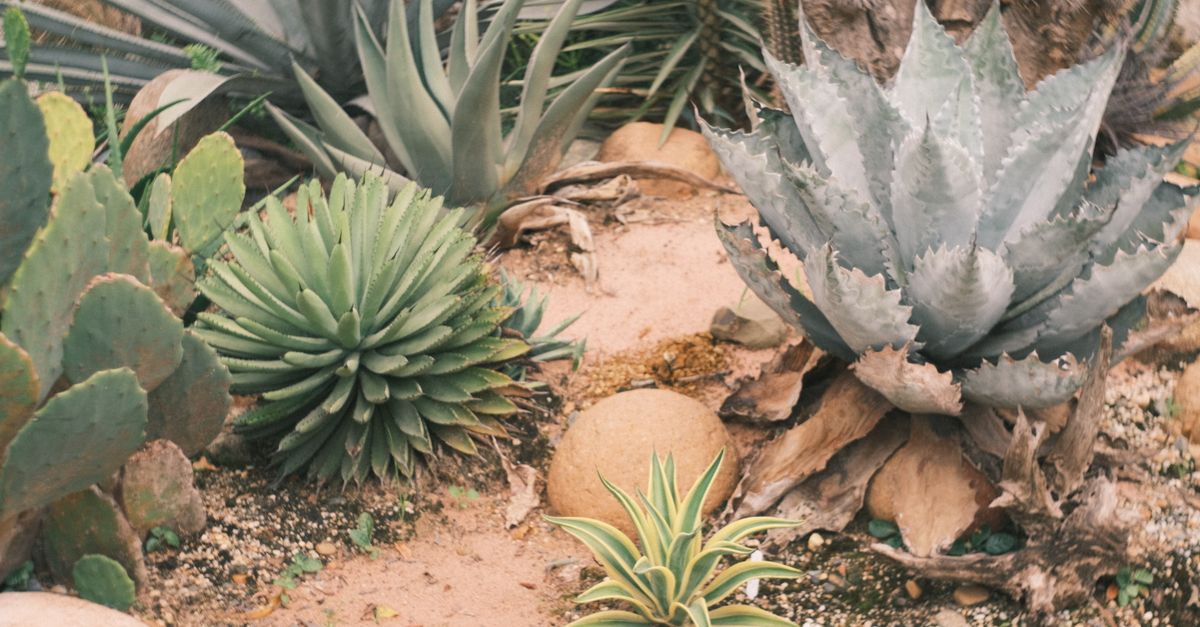
I’ve spent years watching how a yard can transform a house into a home, especially when water bills are climbing and the climate is shifting toward more frequent droughts. If you’re building or buying a new home in 2026, choosing between traditional lawns and drought‑tolerant landscaping isn’t just an aesthetic decision—it’s a financial, environmental, and maintenance one. In this article I compare key options—landscape contractors, yard cleanup services, low‑water plant selections, and outdoor entertainment spaces—to help you make an informed choice that fits your budget and lifestyle.
Understanding Drought‑Tolerant Landscaping
Drought‑tolerant landscaping uses plants that thrive with minimal irrigation once established. The goal is to cut water usage by up to 70% compared to conventional lawns while keeping curb appeal strong. Native species, succulents, and strategic mulching lock in moisture, making the yard resilient during heat waves and drought periods.
Key Features of a Drought‑Tolerant Landscape
- Low water use after establishment: Once roots are deep, plants draw only what they need from the soil, reducing reliance on artificial watering.
- Native plant diversity: Species adapted to local climate and soils automatically handle temperature swings and pest pressures.
- Effective mulching: A 3‑to‑4‑inch layer of organic mulch preserves soil moisture, moderates temperature, and suppresses weeds without the need for frequent top‑up.
- Seasonal color variation: By selecting a mix of evergreen groundcovers, spring bulbs, summer perennials, and fall foliage, you create a visually dynamic yard that never looks “dead” during dry spells.
- Reduced maintenance labor: Fewer weed pulls, less mowing, and minimal fertilizing translate into time and money savings over the life of the landscape.
The combination of these elements means you can enjoy a healthy yard while spending less on watering and fertilizing. When you’re ready to move forward, the next step is selecting a qualified landscape contractor who understands these principles.
Choosing the Right Landscape Contractor
A professional contractor brings design expertise, permitting knowledge, and access to premium plant suppliers. Ask about their experience with native planting, irrigation integration, and sustainable practices. Look for certifications such as LABC or ASLA membership; they indicate rigorous training.
During an initial consultation, request a detailed proposal that includes a plant list, irrigation layout, soil amendment plan, and cost breakdown. A good contractor will propose a drip system that delivers water directly to root zones, reducing evaporation by up to 50%. They should also outline a maintenance schedule—pruning, mulching, seasonal fertilization—to keep the yard healthy without excess labor.
In my experience, a contractor who invests in high‑quality native species pays off with lower upkeep and fewer replacement needs.Choosing the right contractor is critical because they translate your vision into a functional, water‑efficient yard that supports outdoor entertainment spaces without compromising quality or cost. Many contractors offer warranties on plant survival for the first three years; this can be a valuable safety net if unexpected weather events occur during establishment.
Comparing Yard Cleanup Services vs DIY
Yard cleanup—removing debris, overgrown weeds, and preparing soil—is foundational before planting. A professional service can finish the work in half the time of a typical homeowner, often using heavy equipment that reduces labor hours. For large lots or steep slopes, this level of efficiency is essential.
When DIY Makes Sense
- Small lot (<1,000 sq ft) with minimal grading
- Owner has basic tools (shovel, rake)
- Budget constraints that preclude equipment rental
Regardless of the approach, a thorough cleanup sets the stage for healthy root systems. Removing invasive roots prevents future competition, while grading ensures that water runs toward drainage areas instead of pooling on the planting beds. A clean foundation also makes it easier to install irrigation lines and mulch beds accurately.
Designing Outdoor Entertainment Spaces with Low Water Use
Outdoor entertainment spaces—patios, fire pits, pergolas—must coexist with drought‑tolerant plantings. Minimize hardscape surface area and use permeable materials that allow rainwater infiltration. Porous pavers or gravel beds reduce runoff; concrete slabs can be sealed with a water‑repellent coating.
Planting Around the Entertainment Area
- Low‑maintenance groundcovers like sedum: These spread quickly, form a soft carpet, and require little watering once established.
- Seasonal shrubs such as lavender, rosemary: They add aromatic interest, attract pollinators, and provide year‑round structure.
- Water‑saving trees (olive, juniper) for shade: A strategically placed tree can reduce cooling costs by creating a shaded microclimate around seating areas.
- Edible borders—herbs and dwarf fruit trees: Not only do they bring fresh flavor to your table, but their root systems also help stabilize soil and improve moisture retention.
By combining permeable hardscapes with drought‑tolerant flora, you create a gathering spot that requires minimal irrigation while enhancing curb appeal. Consider installing a rain barrel or cistern adjacent to the patio; captured stormwater can be directed straight into mulch beds, further reducing potable water use.
Landscaping for New Homes: From Planning to Execution
The first step is a comprehensive site assessment—measure slopes, drainage patterns, and existing vegetation. Use the data to draft a master plan aligning with your water budget and aesthetic goals. The plan should include plant selection, irrigation zones, hardscape placement, and an outdoor entertainment layout.
Budget Breakdown
- Site prep & cleanup: $1,200–$3,000
- Planting (native species): $5,000–$10,000 per acre
- Irrigation system installation: $2,500–$6,000
- Hardscape & entertainment features: $4,000–$8,000
- Maintenance buffer (first 3 years): $1,200–$2,400
For homeowners who prefer to take a hands‑on role, breaking the project into phases—grading and cleanup first, then planting, followed by hardscaping—can spread out both labor and cash flow. If you live in a region with strict water restrictions, ask your contractor to integrate a smart controller that adjusts watering schedules based on real‑time weather data.
Common Mistakes and How to Avoid Them
Many homeowners focus on appearance but ignore underlying systems that keep the yard sustainable. A frequent error is installing a conventional sprinkler system that overspills, wasting water and damaging plant roots. Another pitfall is selecting plants that look good in stores but fail to adapt to local climate or soil conditions.
Top 5 Avoidable Mistakes
- Installing oversized irrigation heads: Oversized heads can cause runoff; use micro‑drip emitters for precise delivery.
- Ignoring soil pH and nutrient levels: Test the soil before planting and amend only as needed to match plant preferences.
- Choosing non‑native species that require heavy maintenance: Stick to proven local varieties; they thrive with less water and fewer chemicals.
- Over‑mulching, which can suffocate roots: Keep mulch depth between 3–4 inches and periodically aerate the soil surface.
- Neglecting seasonal pruning schedules: Prune in late winter or early spring to encourage healthy growth and maintain shape.
Avoid these errors by consulting with a knowledgeable contractor, testing soil before planting, and following a maintenance calendar aligned with plant life cycles. In my experience, homeowners who invest in proper planning save both water and money over the next decade.


