
Tree Trimming Services and Seasonal Yard Care: A Practical Guide for 2026 Homeowners
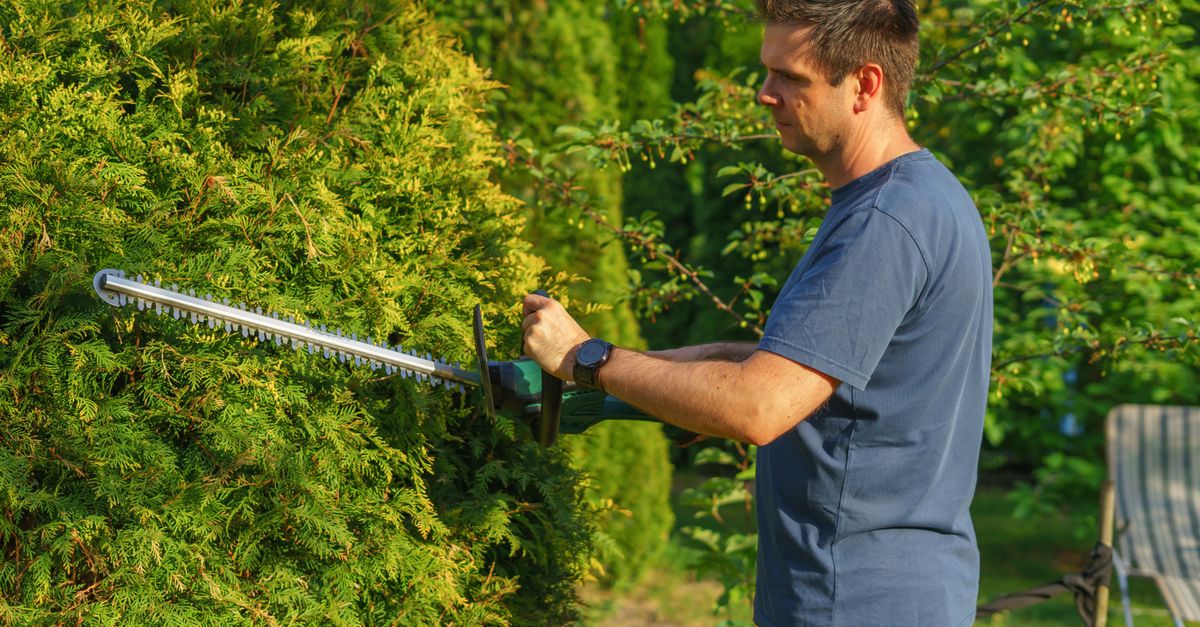
When you think of keeping your property safe and attractive, tree trimming is often the first thing that comes to mind. But it’s just one piece of a larger puzzle that includes exterior enhancements, mulch application, and custom outdoor design. In this roundtable‑style article I’ll walk through each component with concrete steps, cost expectations, and real‑world pitfalls.
Why Tree Trimming Matters
Tree trimming isn’t just about aesthetics; it’s a critical maintenance activity that protects property value, reduces fire risk, and preserves structural integrity. Neglected trees can develop dead limbs that fall during storms, damage roofs or foundations, and become fire hazards.
When you trim properly, you also encourage healthier growth by removing diseased bark and improving light penetration to lower branches. This targeted pruning stimulates new shoots that are better positioned for sunlight, which in turn increases photosynthetic efficiency and overall vitality of the tree.
Key Benefits of Regular Tree Trimming
- Prevents hazardous limb falls during severe weather.
- Reduces fire risk near structures.
- Improves tree health and longevity.
- Enhances curb appeal and property value.
I’ve seen properties with neglected trees turn into liability hotspots. A single snapped branch can cost thousands in repairs, not to mention insurance penalties.
Selecting the Right Trimming Service
The first step is understanding your tree’s species, size, and health status. Different species respond differently to cutting techniques.
Professional crews use a range of equipment: pole saws for low branches, ropesaws for medium heights, and helicopter or crane‑mounted chainsaws for the tallest limbs. Each tool has a specific application window that balances safety with effectiveness.
What to Look For in a Contractor
- Licensing and liability insurance that covers tree work.
- Experience with local arborists’ guidelines.
- Clear safety protocols for working near structures.
- Transparent pricing with no hidden fees.
I once hired an unlicensed contractor who cut a critical branch, forcing me to pay a $12,000 repair bill. That’s why I always verify credentials before signing contracts. A simple phone call to the state arborist board can confirm a provider’s standing in just minutes.
Exterior Property Enhancements Beyond Trees
A well‑trimmed yard sets the stage for other exterior upgrades. Consider these complementary projects:
- Deck or patio installation to increase usable outdoor space.
- Landscape lighting that highlights structural features.
- Retaining walls that manage slope and soil erosion.
Integrating these elements can boost curb appeal by up to 30%, according to recent real‑estate studies. When planning, align each new feature with the overall design language of your home—wood tones for a rustic look, sleek concrete for modern minimalism.
Seasonal Yard Care Calendar
Each season brings unique maintenance tasks. Here’s a straightforward guide:
- Spring: Inspect for winter damage, prune early growth, and apply mulch. Check that all branches are clear of ice or snow buildup to prevent sudden snapping.
- Summer: Monitor irrigation systems, control pests, and trim any overgrown vines. Use a drip system to conserve water while ensuring deep root hydration.
- Fall: Remove fallen debris, prepare trees for dormant periods, and schedule a fall trimming session. This is also the best time to clean up mulch beds, as leaf litter can clog drainage if left unattended.
- Winter: Protect vulnerable branches with burlap or foam, check structural support against snow load, and inspect gutters for blockage that could cause water damage.
This routine keeps your yard safe year‑round and reduces emergency calls during storms. A well‑planned schedule also allows you to budget for each service in predictable chunks rather than facing a large lump sum after an unexpected storm event.
Landscape Mulching Specialists
Mulch is more than a decorative layer; it conserves moisture, regulates soil temperature, and suppresses weeds. The choice of material matters:
- Wood chips: affordable, long‑lasting, but may attract pests.
- Bark mulch: organic, visually appealing, decomposes slowly.
- Stone or gravel: minimal maintenance, good for low‑water areas.
Application depth should be 2–3 inches. Over‑mulching can suffocate roots; under‑mulching leaves gaps for weeds. A quick way to test depth is to press the mulch with your hand—if it compresses easily, you’re probably too thin.
Custom Outdoor Spaces Design
Designing a custom space starts with a clear vision and zoning compliance. Here’s the workflow I recommend:
- Define your primary use: dining, play area, or meditation spot.
- Map out sun exposure and wind patterns.
- Select durable materials that match your style—stone for permanence, timber for warmth.
Once you have a sketch, consult with local authorities on permits. I’ve handled a zoning dispute where a homeowner installed a pergola without approval; the council fined them $1,500 and forced removal. Starting early in the permitting process saves both time and money.
Key takeaway: A well‑planned custom outdoor space not only enhances lifestyle but also adds measurable equity to your home—often 2–5% of total property value.Common Mistakes to Avoid
Even seasoned homeowners make errors that inflate costs:
- Delaying tree trimming until after a storm.
- Using untrained DIY methods on large branches.
- Ignoring soil compaction when laying patios.
By addressing these early, you save money and avoid safety hazards. For instance, compacted soil can crack new paving during temperature swings, leading to costly repairs down the line.
Cost Considerations and ROI
Tree trimming averages $200–$400 per job depending on size. Mulch installation ranges from $1–$3 per square foot. Custom patios can run $10–$30 per square foot. While upfront costs are real, the return—through increased property value and reduced maintenance—is typically 5–8 years.
I keep a spreadsheet of all projects; it helps me track ROI and justify future upgrades to my partners. A simple cost‑benefit analysis shows that each dollar spent on proper trimming can recoup several dollars in avoided damage costs over the tree’s life span.
DIY vs Professional Services
If you’re handy, small pruning tasks can be DIY. However, any work beyond 10 feet or near structures demands professional expertise. Cutting the wrong limb can damage your roof or cause a tree to collapse.
Investing in a licensed crew for major jobs is usually cheaper than dealing with insurance claims later. Many homeowners underestimate the hidden costs of improper trimming—insurance premiums, liability lawsuits, and property repair fees all add up quickly.
Integrating Technology & Automation
Smart sensors now monitor moisture levels, allowing automated irrigation. Drones provide aerial views of canopy health, flagging problems before they become visible from the ground.
In my experience integrating a drone survey for a commercial property reduced pest damage by 25% and cut labor hours by half.These tools don’t replace human judgment but augment it, ensuring you’re making data‑driven decisions. For example, a moisture sensor can trigger irrigation only when the soil drops below a set threshold, saving up to 20% on water bills each year.
How do you balance cost with quality when choosing tree trimming or landscape services for your home?


