
What Are the Best Drainage and Irrigation Strategies for Outdoor Area Upgrades?
When you’re looking to upgrade an outdoor space, it’s tempting to focus only on aesthetics—pavers, decks, or a new patio. But the real foundation of any successful outdoor area upgrade is functional infrastructure: drainage that keeps water out of your lawn and efficient irrigation that nourishes without waste. In this expert roundtable, I’ll share proven strategies for pairing drainage solutions with irrigation systems to create year‑round landscaping that looks great, saves money, and requires minimal upkeep.
Understanding the Role of Drainage in Outdoor Area Upgrades
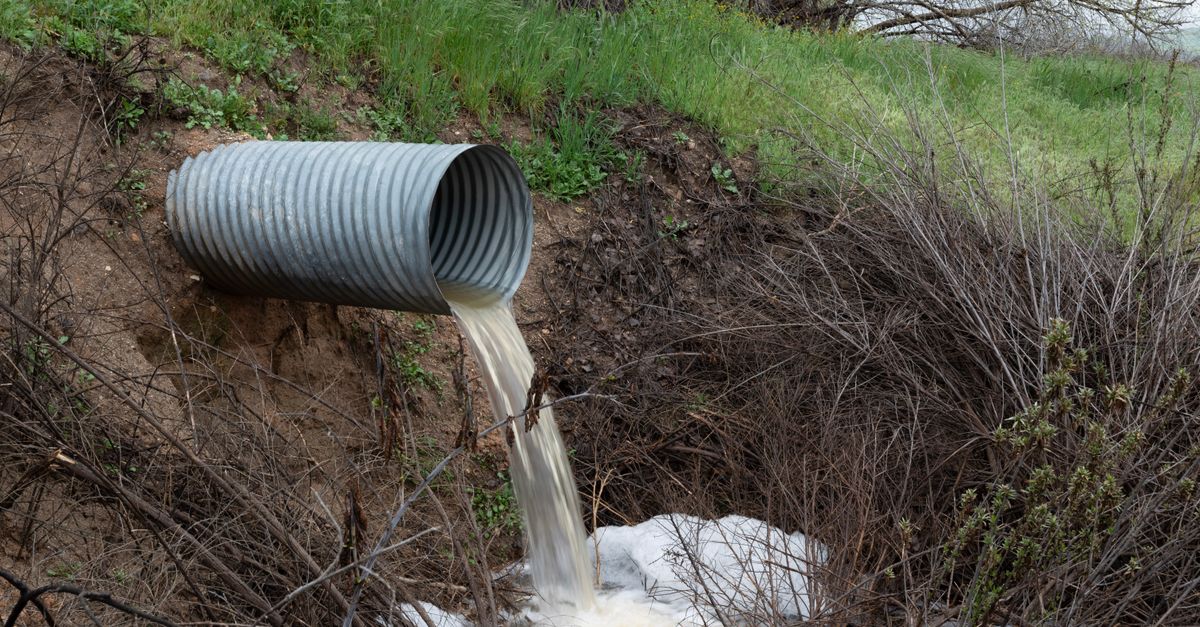
The first step is recognizing how water moves through a yard. Poor drainage leads to standing water, root rot, uneven turf, and costly repairs. A well‑designed drainage system prevents these problems by directing runoff away from foundations, patios, and plant beds.
Key factors to assess before selecting a solution include:
- Soil type – Clay soils hold water longer than sandy soils, which drain quickly but may need supplemental infiltration measures.
- Topography – Sloping yards require more aggressive grading; flat areas can benefit from subtle contouring to create natural runoff paths.
- Existing infrastructure – Locate buried utilities, septic lines, and underground pipes to avoid costly conflicts during installation.
- Climate patterns – Regions with heavy rain or snowfall require robust systems that can handle large volumes of water without saturation.
Once you have this data, you can choose the right drainage approach for your specific landscape. For example, a backyard in a humid area might need a more extensive network than one in a dry climate, even if both have similar soil types.
Choosing the Right Drainage Solutions
Top Drainage Options for 2026
- French Drains – Perforated pipe surrounded by gravel that collects and redirects water underground. They are versatile but can be costly if large trenching is required.
- Surface Gutters and Downspouts – Simple extensions of existing gutters that channel roof runoff away from the foundation, preventing erosion.
- Dry Wells – Large, porous pits that absorb excess water into saturated soil layers, ideal for areas with high rainfall but limited space for surface solutions.
- Permeable Pavers – Allow rainwater to seep through concrete or stone surfaces directly into the ground. They reduce runoff and improve groundwater recharge.
- Green Roofs – Vegetated roof systems that trap and slowly release precipitation, reducing stormwater flow into drainage networks.
- Rain Gardens – Shallow, landscaped depressions designed to capture runoff from roofs and driveways; they also add visual interest and habitat for pollinators.
Each option has trade‑offs in cost, installation complexity, and maintenance. For example, French drains are versatile but can be expensive if the site requires extensive trenching. Permeable pavers offer low maintenance but may need periodic cleaning of the voids to keep water flowing. Surface gutters require less excavation but rely on proper slope and venting to function correctly.
When evaluating these options, it’s helpful to create a simple decision matrix that weighs factors such as budget, space constraints, and desired aesthetic. A homeowner in a small urban lot might find permeable pavers the most practical, while someone with a sprawling rural property could invest in a dry well system to manage larger volumes of runoff.
Efficient Irrigation Systems for Year‑Round Landscaping Services
A robust irrigation system complements drainage by delivering precise amounts of water to your lawn and garden beds throughout the year. The goal is to maximize plant health while minimizing waste.
Modern systems incorporate smart technology: weather‑based controllers, soil sensors, and mobile apps that adjust schedules based on real‑time data. These features reduce overwatering by up to 30% compared with manual timers, allowing you to keep your plants healthy without overspending on water.
Key Components of an Efficient Irrigation Plan
- Zoned Sprinklers – Separate zones allow different plant groups to receive tailored watering schedules based on their specific needs.
- Drip Lines for Beds – Deliver water directly to root zones, reducing evaporation and runoff while providing a steady supply of moisture.
- Smart Controllers – Adjust watering based on rainfall, temperature, and soil moisture levels, automatically pausing or resuming cycles as needed.
- Backflow Prevention – Protects potable water supplies from contamination when irrigation lines cross the main drinking line.
- Leak Detection Sensors – Alert homeowners to hidden leaks before they cause damage or waste large amounts of water.
Choosing the right combination of these components depends on your yard’s layout, plant mix, and budget. For instance, a large backyard with diverse flower beds may benefit from drip irrigation paired with zone‑controlled sprinklers for lawns and grass areas. A smaller patio area could rely solely on a few strategically placed drip emitters.
In addition to hardware, scheduling plays a crucial role. Watering early in the morning or late in the evening minimizes evaporation losses and allows plants to absorb moisture before temperature peaks. Many smart controllers can be programmed with these preferences automatically.
Integrating Custom Lawn Care Programs with Drainage and Irrigation
A custom lawn care program tailors mowing schedules, fertilization, aeration, and pest control to the specific conditions of your turf. By aligning these practices with drainage and irrigation strategies, you create a synergistic system that keeps grass healthy all year.
Typical steps in a custom program include:
- Soil Testing – Determines pH and nutrient levels to guide fertilization, ensuring the soil is neither too acidic nor overly alkaline for your grass type.
- Mowing Height Calibration – Sets optimal blade height for each grass species, which can improve drought tolerance and reduce weed competition.
- Aeration Timing – Reduces compaction, especially after heavy rains; a well‑timed aeration session before irrigation helps water penetrate deeper.
- Pest Monitoring – Early detection prevents costly infestations that can damage both the lawn and surrounding plants.
- Irrigation Scheduling – Adjusts based on seasonal moisture needs, ensuring you’re not watering during periods of high natural rainfall.
When the drainage system directs excess water away and the irrigation delivers precise amounts, your custom lawn care program can focus on growth rather than correction. This coordinated approach also makes it easier to track performance metrics—such as water usage per square foot—and adjust practices over time for optimal results.
Practical Steps to Implement Outdoor Area Upgrades
Below is a step‑by‑step framework that blends drainage, irrigation, and custom care into one cohesive upgrade plan.
- Site Assessment – Map elevations with a laser level or smartphone app; identify existing drains, plant zones, and any underground utilities.
- Select Drainage Solution – Choose from French drain, permeable pavers, rain garden, or dry well based on assessment findings. Consider future expansion and maintenance needs.
- Design Irrigation Layout – Sketch sprinkler heads, drip lines, and zones on paper before procurement. Keep pipe runs short to reduce pressure loss and minimize the amount of piping needed.
- Obtain Permits – Check local ordinances for drainage installation and irrigation permits; some municipalities require a stormwater permit or water‑use approval.
- Install Drainage First – Proper grading ensures water flows toward the chosen solution before any surface work. This step prevents future conflicts with irrigation lines that might otherwise block drainage paths.
- Lay Irrigation System – Install smart controllers, backflow preventers, and sensors. Run a test cycle to confirm coverage; adjust emitter placement or sprinkler head angles as needed.
- Implement Custom Lawn Care Program – Schedule mowing, fertilization, aeration, and pest monitoring in sync with irrigation cycles. Use calendar reminders or integrated app alerts for consistency.
- Monitor & Adjust – Use weather data and sensor feedback to tweak schedules over the first season; document changes to refine your system continually.
Following this sequence reduces the risk of overlapping systems that could interfere with each other. For example, installing a French drain after setting up a sprinkler system can clog pipes if not coordinated properly. By tackling drainage first, you lay a solid foundation for all subsequent work.
Common Mistakes and How to Avoid Them
Even seasoned homeowners stumble over these pitfalls:
- Ignoring Soil Tests – Skipping this step leads to nutrient imbalances that drain water quickly, undermining drainage efforts.
- Over‑watering During the Summer – Excessive irrigation can saturate soil, negating drainage benefits and promoting fungal growth.
- Poorly Sealed Pavers – Cracks allow runoff to bypass permeable surfaces, creating localized puddles that can damage surrounding areas.
- Neglecting Backflow Prevention – A missing backflow device can contaminate drinking water if irrigation lines cross the potable supply.
- Lack of Seasonal Adjustment – Fixed schedules ignore winter freeze–thaw cycles that can damage pipes and drainage structures.
Addressing these issues early through proper planning, regular maintenance checks, and adaptive scheduling ensures long‑term success. For instance, installing a rain sensor with your smart controller will automatically pause irrigation when it detects rainfall, preventing unnecessary watering after a storm.
Key takeaway: A well‑planned combination of drainage solutions, efficient irrigation systems, and custom lawn care programs transforms an outdoor area into a low‑maintenance, year‑round asset that saves money and boosts curb appeal.In my experience, the biggest payoff comes from integrating technology early. Smart controllers that react to real weather data cut water usage by up to 25%, which translates directly into lower utility bills.
When I upgraded a backyard in Nevada last year, installing a French drain and a smart irrigation system reduced my lawn’s watering time from 90 minutes per day to just 30 minutes during the peak summer months. The difference was obvious on the water bill and the health of the turf. What drainage or irrigation challenge has been most difficult for you in your outdoor area upgrades?


