
What Are the Best Practices for Landscaping Small Spaces in 2026?
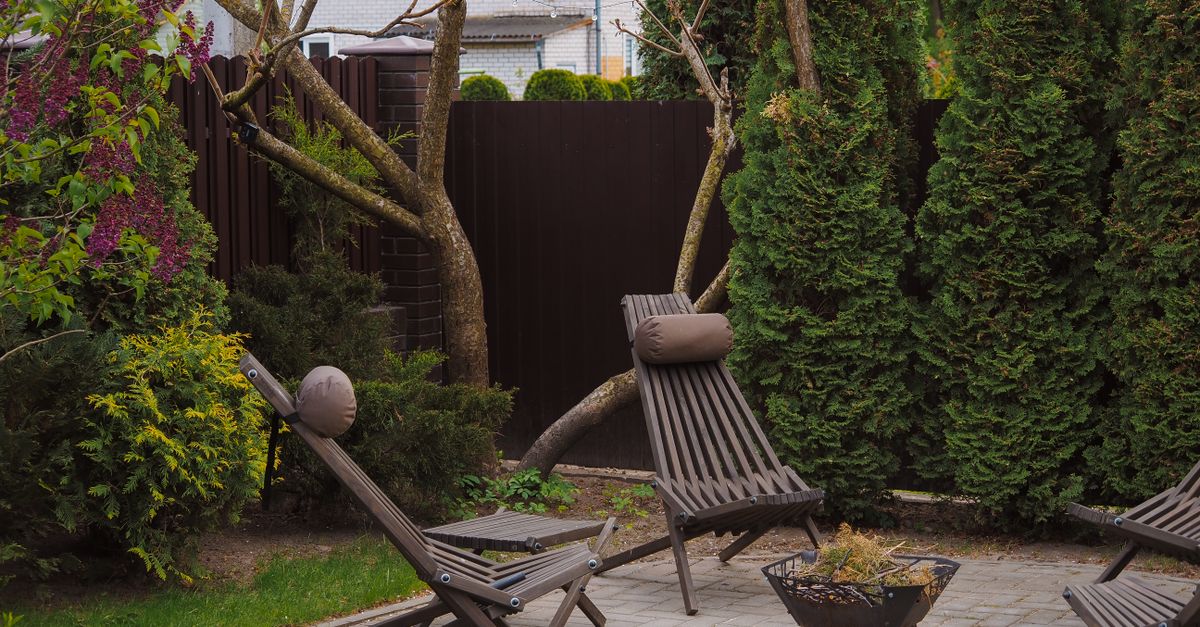
If you’re looking to transform a tight yard or balcony into a functional, attractive space, you’re not alone. In 2026, landscaping for small spaces has become more about strategy than size. The challenge is to balance aesthetics, utility and maintenance while staying within budget. Today’s homeowners also expect their gardens to reflect sustainability, smart technology integration, and seasonal adaptability—trends that shape every decision from plant selection to lighting design.
One of the most visible shifts this year is the rise of “smart” landscaping tools. From Wi‑Fi enabled irrigation controllers that learn watering patterns to app‑controlled LED strips that change hue with a tap, technology now offers precise control without added labor. Coupled with an increased emphasis on native species and low‑water use, these trends create opportunities for small spaces to become both beautiful and efficient.
1. Clarify Your Landscape Goals Before You Plant
The foundation of a successful project is a clear vision. Start by asking yourself what you want the space to feel like: a quiet retreat, a social gathering spot, or a practical herb and vegetable garden? Once you define the purpose, sketch a rough layout that incorporates key elements such as seating, plant beds, pathways, and lighting.
In my experience, aligning goals with physical constraints early on prevents costly redesigns later. A simple “vision board” of reference images—whether pinned to a corkboard or saved in a Pinterest board—can keep the project focused. Use free online tools like Canva or a basic CAD program to create a scaled plan that shows how each zone will interact.
Key Questions to Ask Yourself
- What is the primary activity I want in this space?
- Which plants thrive in our local climate and soil?
- How much time am I willing to spend on maintenance?
- Do I need privacy, shade, or a visual focal point?
After answering these questions, divide the area into functional zones—such as a seating alcove, a planting bed, and a pathway. This zoning approach ensures that each part of the space serves a purpose without overcrowding.
2. Choose Plants That Maximize Space Without Overcrowding
In small areas, plant selection is critical. Opt for species that provide height, texture, and color without occupying too much ground area. Vertical gardening—using trellises or wall‑mounted planters—can add greenery while preserving floor space.
Consider native plants; they’re adapted to local conditions, reduce water usage, and support local wildlife. Succulents, herbs, and dwarf shrubs are excellent for compact zones. Pay attention to growth habit: some plants spread aggressively even when labeled as “compact,” so choose varieties with controlled spread or that can be trimmed regularly.
Planting List for Compact Spaces
- Dwarf conifers (e.g., Picea abies 'Compacta') for year‑round structure.
- Herb spiral beds—compact, functional, and fragrant.
- Vertical herb gardens using reclaimed pallets or vertical planters.
- Climbing vines on trellises to create a natural screen.
Layering is another powerful technique. Position taller plants at the back of a bed, medium‑height shrubs in the middle, and low groundcovers up front. This creates depth without sacrificing floor area. Add seasonal interest by mixing evergreens with deciduous perennials that provide color bursts during different times of the year.
3. Use Landscape Lighting to Extend Usable Space After Dark
Good lighting not only enhances safety but also creates ambiance and visual depth. Landscape lighting can make a small yard feel larger by highlighting architectural features or plant beds.
Select low‑energy LED fixtures with adjustable color temperatures. Solar-powered lights reduce wiring costs, while smart bulbs allow remote control and scheduling via an app. For example, a 12‑volt solar motion detector can power a string of RGB LEDs for up to eight hours after sunset, providing both security and aesthetic appeal.
Lighting Placement Tips
- Spotlights on focal plants to draw the eye.
- Pathway LEDs for safety and visual flow.
- Ambient string lights over seating areas for a relaxed vibe.
- Motion‑activated floodlights at entry points for security.
Create a lighting plan before installation. Begin with essential tasks: define the primary pathway, identify key plant features, then add accent lights. Use dimmable fixtures or color‑changing LEDs to adapt mood from daytime relaxation to evening entertainment. Incorporating motion sensors can further conserve energy by illuminating only when needed.
4. Combine Drainage Solutions With Irrigation System Installation Efficiently
Water management is often the biggest hurdle in small spaces. Proper drainage solutions prevent waterlogging, while a well‑designed Irrigation system installation ensures plants receive consistent moisture without waste.
Use permeable paving, French drains, or dry creek beds to direct runoff away from foundations and plant beds. Pair these with drip irrigation—especially for vegetable patches—to deliver water directly to roots, reducing evaporation.
Integrated Water Management Steps
- Assess slope and natural drainage patterns.
- Install a French drain along the perimeter if necessary.
- Lay permeable pavers or gravel in pathways.
- Set up a drip irrigation system with a timer for automated watering.
- Add mulch to retain moisture and suppress weeds.
Consider rain barrels or greywater systems as supplemental water sources. Harvesting rainwater can reduce the load on municipal supplies, especially during dry spells. When installing a drip system, use pressure‑regulating valves to maintain consistent flow across all emitters—this prevents overwatering in some areas and under‑watering in others.
5. Hiring Landscape Contractors Wisely
A qualified landscape contractor can translate your vision into reality, handling design, plant selection, installation, and maintenance contracts. When searching for a contractor, evaluate their portfolio, client reviews, and certifications.
Ask potential contractors to provide a detailed proposal that includes material costs, labor hours, and a timeline. Clarify whether they offer ongoing maintenance or just a one‑time install.
Questions to Ask Your Contractor
- Can you show examples of small space projects?
- What is your approach to sustainable design?
- Do you handle the installation of irrigation and lighting systems?
- How do you manage unexpected site conditions?
- What warranties or guarantees do you provide on work and materials?
Verify that the contractor holds proper licensing, insurance, and any local permits required for drainage or electrical work. Request a written contract that outlines scope, payment schedule, and dispute resolution procedures. A clear agreement protects both parties and ensures accountability.
6. Budgeting: Cost Breakdown for Small Space Projects
Small spaces can still be pricey if not planned properly. Break down costs into categories: design, plants, soil amendments, lighting, irrigation, labor, and contingency.
Typically, 40% of the budget goes to materials (plants, mulch, pavers). Lighting and irrigation add another 15–20%. Labor usually accounts for 25–30%, depending on complexity. Set aside a 10% contingency for unforeseen expenses.
Sample Budget Allocation
- Design & Consulting: $1,200 – $2,000
- Plants & Soil: $2,500 – $4,000
- Lighting Fixtures: $800 – $1,500
- Irrigation Installation: $600 – $1,200
- Labor (Contractor Fees): $3,000 – $5,000
- Contingency (10%): $1,200 – $2,400
To save money without compromising quality, consider a phased approach: start with essential structural elements and add decorative features later. DIY tasks such as mulching, basic planting, or installing string lights can reduce labor costs. However, leave complex electrical or drainage work to professionals.
7. Hardscape Selection & Furniture for Small Spaces
A well‑chosen hardscape not only defines the layout but also maximizes usable surface area. In tight plots, permeable pavers—often made from recycled plastic or porous concrete—allow rainwater to infiltrate while keeping pathways stable.
Low walls built from reclaimed timber or composite panels create visual boundaries without blocking sightlines. They can be paired with vertical planters or trellises that blend seamlessly into the wall, offering both structure and greenery.
Furniture Tips
- Select modular seating that folds away when not in use.
- Use stackable benches to preserve floor space for pathways.
- Choose lightweight furniture with wheels for easy repositioning.
- Incorporate built‑in storage—such as a bench with hidden compartments—to keep tools and supplies out of sight.
When integrating furniture, consider the flow of movement. A narrow entryway can become a bottleneck if large pieces are placed too close to the threshold; instead, position seating slightly off to one side so guests can pass freely.
8. Avoid These Common Pitfalls in Small Space Landscaping
Even with careful planning, mistakes can derail a project. Here are the most frequent errors and how to sidestep them.
Common Mistakes & Fixes
- Overplanting: Leaves insufficient room for growth; choose compact varieties or control spread with regular pruning.
- Ignoring Drainage: Leads to root rot; install proper drainage early and test after rainfall.
- Lack of Lighting Planning: Results in dark, unsafe areas; map lighting before installation and use sensors where possible.
- Using Hardscape That Blocks Views: Reduces openness; opt for permeable materials or low walls that maintain sightlines.
- Choosing High‑Maintenance Plants: Increases effort and cost; select drought‑tolerant species suited to your climate.
Additional pitfalls include neglecting soil health, misaligning plant placement with light availability, and overlooking future growth potential. Address these by testing soil pH, using a sun chart, and selecting plants that stay within their mature size limits.
Other frequent mistakes are under‑mullching, which allows weeds to thrive; over‑mullching, which can hold too much moisture; or placing pets near sharp-edged planters. Simple checks—like ensuring mulch depth stays between 2–3 inches and using rounded planter edges—can prevent these issues.
The key takeaway: Success in small space landscaping hinges on strategic planning, efficient water management, thoughtful plant selection, and the right contractor partnership.In my experience, a well‑designed irrigation system can cut maintenance time by half while keeping plants healthy.
What small space landscaping challenge has you most frustrated this year?


