
What’s better for a small yard—drought‑tolerant landscaping or rock and stone design?
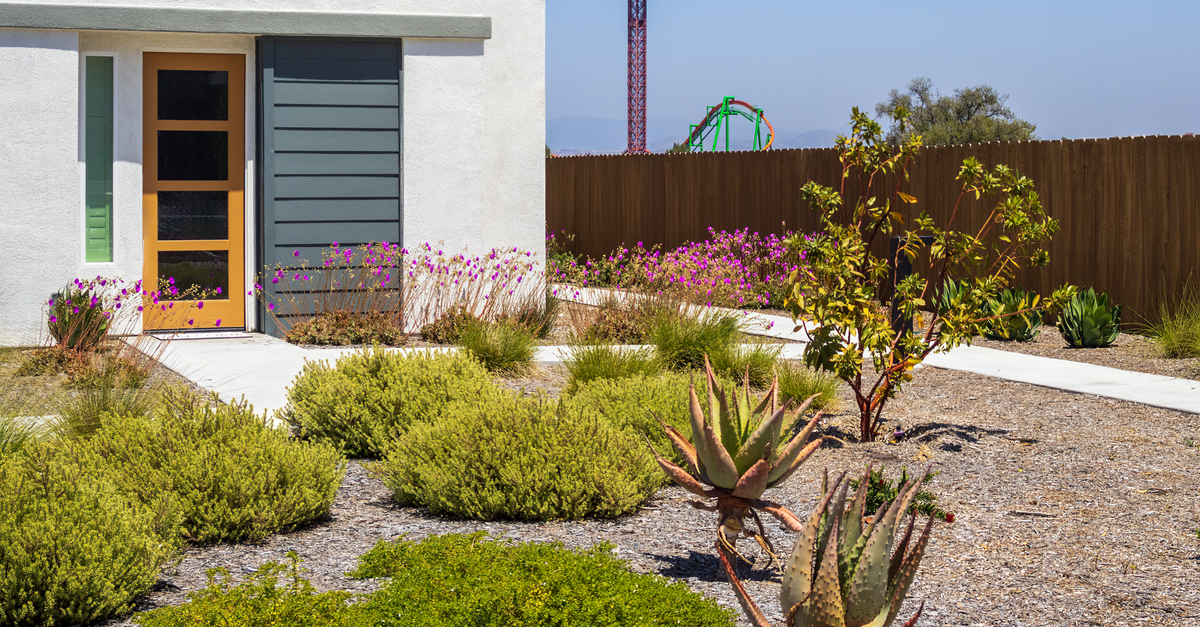
I’ve spent years turning tiny plots into functional, low‑maintenance landscapes. The decision often boils down to two big options: drought‑tolerant greenery that survives with minimal watering, or a rock and stone layout that adds texture without soil fuss. Both can thrive in small spaces and even serve event needs, but each has distinct advantages and trade‑offs.
Defining the Goals for Small Space Landscaping
A small yard is a canvas that must balance beauty, practicality, and sometimes temporary event use. Key questions to ask before choosing a style:
- How much maintenance can I realistically handle?
- Do I need a flexible area that can host gatherings or parties?
- Is water conservation a priority in my climate?
- What aesthetic vibe do I want—modern minimalism, rustic charm, or lush greenery?
- Will pets or children use the space, and how safe must it be?
- Do I have budget constraints for initial installation versus long‑term upkeep?
- Is there a need for privacy screens or light control?
The answers guide whether drought‑tolerant plants, rock and stone, or a hybrid solution is the best fit.
Drought‑Tolerant Landscaping: Low Water, High Resilience
In my experience, drought‑tolerant landscaping delivers long‑term savings on water bills while still offering greenery. It’s especially valuable in hot, arid climates where irrigation can be expensive or restricted.
Pros of Drought‑Tolerant Landscaping
- Minimal watering once established
- Resistant to heat and dry spells
- Variety of textures—from succulents to ornamental grasses
- Often lower maintenance than conventional lawns
Cons of Drought‑Tolerant Landscaping
- Initial establishment cost can be higher due to specialty plants
- Some species may not thrive in cooler, moist regions
- Limited color palette compared to full flower beds
- Can feel “stark” if not paired with complementary elements
If you’re looking for a self‑sustaining yard that still feels alive, drought‑tolerant landscaping is the way to go. Pair it with mulch or stone edging to reduce evaporation and keep soil temperature stable.
Plant Selection Tips
- Succulents: Agave americana, Sedum spectabile, Echeveria spp.—compact, drought‑resistant, and provide striking silhouettes.
- Ornamental grasses: Blue fescue, feather reed grass—soft movement with minimal watering needs.
- Perennials: Lavender, thyme, rosemary offer fragrance, color, and resilience.
Layering these plants from ground cover up to taller shrubs creates depth while keeping maintenance simple. Mulch or a light gravel border can further slow evaporation.
Additional tips: choose native varieties whenever possible; they’re adapted to local conditions and often need less care. When designing, think of a “living mulch” approach—planting low‑lying species that shade the soil and suppress weeds naturally, reducing the need for synthetic mulches over time.
Rock and Stone Landscaping: Texture Without Soil
Stone and rock layouts are my favorite when I need a clean look that requires almost no watering. They’re also great for creating focal points or pathways in tight spaces.
Pros of Rock and Stone Landscaping
- Zero irrigation needed after installation
- Excellent drainage—no standing water issues
- Can be shaped into dramatic, low‑maintenance designs
- Versatile for event use: create stages, fire pits, or seating areas
Cons of Rock and Stone Landscaping
- Hard surfaces can feel uninviting if used exclusively
- Requires careful planning to avoid heat islands in summer
- May need regular cleaning to keep pathways clear
- Limited organic life unless combined with plant beds
When I’ve built a small event space for a wedding, a carefully laid out rock patio made the venue look sophisticated while eliminating maintenance headaches.
Design Considerations
- Stone Choice: Flagstone offers a natural feel; pavers provide uniformity; river rocks add a playful touch.
- Pattern: Random placement mimics nature, while geometric grids convey modern elegance.
- Integration with Plants: Small alpine grasses or drought‑tolerant succulents can soften hardscapes and provide seasonal interest.
To counter heat reflection, opt for lighter stone finishes in sunny areas and pair them with shaded plantings. If the yard receives a lot of direct sun, consider a “green roof” approach—placing shallow planters on flat rock surfaces that can hold soil and plants without compromising drainage.
Flower Bed Planting in Small Spaces: When Green Is King
Flower beds bring color and seasonal interest but demand more upkeep. They’re ideal if you want a burst of life that can also serve as an event backdrop.
Choosing Plants for Compact Beds
- Use compact perennials like lavender, sedum, or ornamental grasses
- Layer height: low ground covers under taller shrubs
- Consider seasonal bulbs for spring and fall color bursts
- Incorporate drought‑tolerant species to reduce watering needs
Managing Maintenance in Tight Spaces
- Mulch aggressively to retain moisture and suppress weeds
- Install drip irrigation or soaker hoses for precise water delivery
- Prune regularly to keep plants from overtaking the space
- Rotate flower species annually for continuous color variety
In my experience, a well‑planned flower bed can double as an elegant backdrop for small gatherings, especially when paired with subtle stone edging.
Designing a Compact Flower Bed
- Soil Amendment: Add compost to improve drainage and nutrient content.
- Layout: Use circular or square beds that fit the yard’s geometry.
- Pollinator Friendly: Include herbs like basil, mint, marigold to attract bees and butterflies.
If space is at a premium, consider a raised bed with a removable lid—this allows you to swap out plantings seasonally without disturbing the surrounding area. A trellis can also add vertical interest while freeing up ground for smaller plants.
Combining Approaches: The Hybrid Solution for Events and Everyday Life
Often the best strategy is to blend drought‑tolerant plants, rock features, and strategic flower beds. This hybrid approach maximizes low maintenance while still delivering visual appeal and event functionality.
Hybrid Design Blueprint
- Central stone patio or raised bed for event seating
- Surrounding border of drought‑tolerant shrubs (e.g., ornamental grasses, succulents)
- Accent flower beds in pockets—use seasonal bulbs and low perennials
- Add a rain garden or bioswale to capture runoff and add greenery
- Incorporate lighting along pathways for evening events
This layout keeps the yard functional year‑round, conserves water, and offers a versatile space for parties or quiet evenings. When I implemented this hybrid setup on my own property, guests loved the low‑maintenance vibe paired with lush, seasonal color.
Additional practical steps: install a subtle perimeter fence made of recycled timber to contain pathways while still allowing light; use permeable pavers in high-traffic zones so rainwater can infiltrate rather than run off. A small solar garden lamp cluster near the entry point not only enhances safety at night but also highlights the natural textures of stone and plant.
Key takeaway: In small spaces, combining drought‑tolerant plants with rock features and occasional flower beds delivers the best balance of maintenance, aesthetics, and event usability.In my experience, a well‑planned hybrid landscape not only saves water but also creates an adaptable space that feels both intentional and welcoming. When you’re designing for small yards, think about how each element serves daily life and special occasions alike.
What challenges have you faced when trying to create low-maintenance yet visually appealing landscaping in a small yard?


